 6 citations
,
November 2010 in “Histochemistry and cell biology”
6 citations
,
November 2010 in “Histochemistry and cell biology” The proteins transthyretin and megalin are more present in the growth phase of hair, suggesting they might affect hair health and growth.
6 citations
,
November 1984 in “Acta Dermato Venereologica” Hair follicles and sweat glands show different keratin staining patterns.
 December 2023 in “Scientific reports”
 Fermented soy protein may help prevent bone loss by affecting bone cell activity.
 November 2023 in “The journal of investigative dermatology/Journal of investigative dermatology”
 Skin cells and certain hair follicle areas produce hemoglobin, which may help protect against oxidative stress like UV damage.
 December 2023 in “Chiwi'saeng'gwa haghoeji”
 Hair keratin protein might help heal mouth wounds faster.
10 citations
,
December 2018 in “Medical Science Monitor” The MAPK/ERK pathway is crucial in controlling cell growth and death in finasteride-induced hypospadias.
 April 2023 in “Dermatology practical & conceptual”
 Lenalidomide helps hair follicle stem cells turn into melanocytes, which may improve repigmentation in vitiligo.
 12 citations
,
January 2014 in “Cell structure and function”
12 citations
,
January 2014 in “Cell structure and function” Different combinations of human hair keratins affect how hair fibers form.
5 citations
,
May 2021 in “Small ruminant research” The study found specific proteins that could mark different growth stages of cashmere goat hair and may help improve cashmere production.
Mutations in the PADI3 gene may cause central centrifugal cicatricial alopecia in women of African ancestry.
 238 citations
,
March 2013 in “Development”
238 citations
,
March 2013 in “Development” Fat cells help recruit healing cells and build skin structure during wound healing.
 7 citations
,
August 2013 in “Experimental and Therapeutic Medicine”
7 citations
,
August 2013 in “Experimental and Therapeutic Medicine” 1,25-dihydroxyvitamin D3 helps melanocyte precursors from hair follicles grow and produce melanin, aiding vitiligo treatment understanding.
 January 2023 in “Frontiers in bioscience”
 Artemis protein may help control hair growth and health by influencing cell processes.
 4 citations
,
November 2016 in “Journal of Cutaneous Pathology”
4 citations
,
November 2016 in “Journal of Cutaneous Pathology” Three characteristics of plasmacytoid dendritic cells help tell apart lupus-related hair loss from LPP.
3 citations
,
July 2015 in “Biotechnic & histochemistry” Bim and Puma proteins are found in developing mouse hair follicles and are involved in more than just cell death.
 17 citations
,
August 2018 in “BMC Genomics”
17 citations
,
August 2018 in “BMC Genomics” The HOXC13 gene affects different hair proteins in cashmere goats in varied ways and is controlled by a feedback loop and other factors.
 17 citations
,
August 1979 in “Journal of The American Academy of Dermatology”
17 citations
,
August 1979 in “Journal of The American Academy of Dermatology” A new staining method helps tell growing from resting hairs to diagnose hair loss.
 April 2020 in “International journal of clinical and diagnostic pathology”
 COX-2 and Bcl-2 proteins are involved in Lichen Planus.
 3 citations
,
March 2012 in “Actas Dermo-Sifiliográficas”
3 citations
,
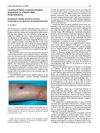
March 2012 in “Actas Dermo-Sifiliográficas” An elderly man with skin amyloidosis and abnormal blood proteins was monitored without finding widespread disease after 18 months.
 March 2024 in “Nihon Keshouhin Gijutsushakaishi/Journal of S C C./Nihon Keshouhin Gijutsushakai kaishi”
 Hair becomes less stiff as we age because of a decrease in zinc, which is linked to lower levels of the protein TG3.
54 citations
,
May 1994 in “Veterinary Pathology” PTHrP is higher in certain dog tumors and may act as a local growth factor.
31 citations
,
October 1992 in “PubMed” A mycobacterial protein shares a similar region with a human skin protein, possibly affecting skin diseases.
 4 citations
,
May 2019 in “Zeitschrift für Naturforschung C”
4 citations
,
May 2019 in “Zeitschrift für Naturforschung C” Ishige sinicola extract helps bone-building cells grow and mature, which could aid in treating osteoporosis.
Normal cells stain well with fluorescent globulin, but tumor cells do not.
9 citations
,
January 2021 in “Biomolecules” Infrared spectral imaging can map hair growth proteins and sugars without staining.
 April 2018 in “Journal of Investigative Dermatology”
 Claudin-1 and Claudin-3 are crucial for keeping hair follicle structure and preventing a type of hair loss called telogen effluvium.
2 citations
,
January 1973 in “ACTA HISTOCHEMICA ET CYTOCHEMICA” Brown skin in guinea pigs has more ascorbic acid and related enzymes, black skin uses ascorbic acid well, and white skin has the most protein.

TBX3 gene affects horse coat color, with higher expression in darker areas.
44 citations
,
August 1990 in “PubMed” Keratins K1 and K10 are found in the inner root sheath and cuticle of human hair follicles.
 28 citations
,
February 2010 in “British journal of dermatology/British journal of dermatology, Supplement”
28 citations
,
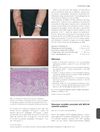
February 2010 in “British journal of dermatology/British journal of dermatology, Supplement” WNT10A mutations cause varied symptoms in patients with odonto-onycho-dermal dysplasia.