 October 2025 in “Turkish Journal of Biochemistry”
 Technological advancements and standardization are crucial for improving diagnostic accuracy and laboratory efficiency.

More research is needed to confirm the potential of various treatments, including Helichrysum plicatum, vitamins, bromelain, personalized medications, hydrogels, and bacteriophage therapy.
 1 citations
,
October 1996 in “Journal of Cutaneous Medicine and Surgery”
1 citations
,
October 1996 in “Journal of Cutaneous Medicine and Surgery” Gene therapy shows promise for treating skin disorders and cancer, but faces technical challenges.
 January 2024 in “Wiadomości Lekarskie”
 Advanced care at home is shaping the future of hospital medicine.
 232 citations
,
January 2016 in “BMC Bioinformatics”
232 citations
,
January 2016 in “BMC Bioinformatics” The method can effectively extract biomedical information without needing expert annotation, performing better than previous models.
 165 citations
,
January 2008 in “Journal of biomaterials science. Polymer ed.”
165 citations
,
January 2008 in “Journal of biomaterials science. Polymer ed.” The peptide GHK-Cu helps heal and remodel tissue, improves skin and hair health, and has potential for treating age-related inflammatory diseases.
 119 citations
,
October 2011 in “Journal of Veterinary Internal Medicine”
119 citations
,
October 2011 in “Journal of Veterinary Internal Medicine” Rhodococcus equi causes severe pneumonia in young foals, and effective vaccines are needed due to foals' weak immune responses.
 55 citations
,
September 2017 in “Expert Opinion on Drug Discovery”
55 citations
,
September 2017 in “Expert Opinion on Drug Discovery” Different factors affect where drugs are absorbed in the small intestine, which is important for effective medication use.
 31 citations
,
January 2017 in “Phytotherapy Research”
31 citations
,
January 2017 in “Phytotherapy Research” Ziziphus jujuba Mills may have health benefits, but more research is needed to confirm its safety and effectiveness.
 11 citations
,
March 2017 in “Journal of Biomedical Semantics”
11 citations
,
March 2017 in “Journal of Biomedical Semantics” The Drug Ontology was updated to better classify drugs for hypertension, malaria, and opioid abuse, and to allow for more accurate research queries.
 1 citations
,
January 2022 in “PLoS Pathogens”
1 citations
,
January 2022 in “PLoS Pathogens” A new method using human lung cells helps find drugs to block and reduce inflammation from SARS-CoV-2.
 April 2026 in “Frontiers in Bioengineering and Biotechnology”
 Cellulose membranes heal venous leg ulcers faster than standard dressings.
 April 2026 in “International Journal of Drug Delivery Technology”
 Natural compounds from Ayurvedic herbs may effectively treat dandruff and promote hair growth.
 10 citations
,
November 2018 in “Nature Biotechnology”
10 citations
,
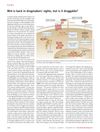
November 2018 in “Nature Biotechnology” Drugmakers are optimistic about targeting the Wnt pathway for new treatments despite past challenges.
 2 citations
,
January 2014 in “Elsevier eBooks”
2 citations
,
January 2014 in “Elsevier eBooks” The document concludes that reactivation of herpesviruses, especially HHV-6, is linked to severe symptoms and complications in drug-induced hypersensitivity syndrome.
 1 citations
,
March 2023 in “bioRxiv (Cold Spring Harbor Laboratory)”
1 citations
,
March 2023 in “bioRxiv (Cold Spring Harbor Laboratory)” NAC1 controls certain enzymes that reduce root hair growth in Arabidopsis.
 April 2024 in “Journal of cancer research and clinical oncology”
 Tissue-derived extracellular vesicles are crucial for cancer diagnosis, prognosis, and treatment.
 November 2023 in “Scientific reports”
 The research identified and described a gene important for hormone conversion in endangered catfish, which varies in activity during different reproductive stages and after hormone treatment.
 December 2020 in “International Journal of Biosciences (IJB)”
 Eclipta alba shows promise for medicinal use but needs more research.
The hydrogel with 20% Hibiscus rosa-sinensis extract was the best for potential therapeutic use.
 May 2017 in “Journal of The American Academy of Dermatology”
 PLAU and SerpinB2 affect cell death differently in various forms of leprosy and could be targets for new treatments.
 23 citations
,
January 2018 in “Elsevier eBooks”
23 citations
,
January 2018 in “Elsevier eBooks” Nanoemulsions improve stability and delivery of active ingredients in cosmetics for skin and hair care.
 391 citations
,
September 2015 in “Journal of Clinical Lipidology”
391 citations
,
September 2015 in “Journal of Clinical Lipidology” The guidelines suggest lifestyle changes, diet adjustments, and personalized medication to manage dyslipidemia and reduce heart disease risk.
 January 2019 in “Springer eBooks”
 Modified HDL can better deliver drugs and genes, potentially improving treatments and reducing side effects.
 94 citations
,
September 2014 in “Therapeutic Delivery”
94 citations
,
September 2014 in “Therapeutic Delivery” Nanoparticles can improve skin treatments by better targeting hair follicles, but more research is needed for advancement.
222 citations
,
January 2003 in “Critical Reviews in Therapeutic Drug Carrier Systems” Ethosomes can safely and effectively deliver various drugs deep into the skin.
January 2011 in “Bradford Scholars (University of Bradford)” Testosterone stimulates growth in intermediate hair follicles, but this can be blocked by cyproterone acetate.
4 citations
,
April 2025 in “Frontiers in Immunology” Extracellular vesicles could offer precise treatments for psychiatric conditions by targeting brain networks.
Researchers made a mouse model with curly hair and hair loss by editing a gene.

CaBP1 and CaBP2 are important for continuous hearing by preventing inactivation of calcium currents in ear cells, with CaBP2 also able to restore hearing when reintroduced.