 September 2015 in “International Journal of Dermatology”
 Skin diseases are common in HIV patients and could help detect HIV early in Ethiopia.
 May 2015 in “Journal of the American Academy of Dermatology”
 Certain drugs and supplements may contribute to hair loss in the frontal hairline in older women.
 January 2015 in “Dermatology”
 The document covers various dermatological treatments and conditions.
Skin changes throughout life, from development before birth to aging effects like wrinkles, influenced by both genetics and environment.
 September 2014 in “Journal der Deutschen Dermatologischen Gesellschaft”
 Diabetes can cause a variety of skin disorders, some of which may signal more serious health issues.

Chemotherapy can cause skin issues and hair loss, and this guide explains how to manage them.
 March 2012 in “Pathy's Principles and Practice of Geriatric Medicine”
 Older adults often have skin problems due to aging, and treating these conditions requires attention to both physical and mental health.

Use the least toxic, most specific treatments for skin diseases, considering side effects and individual patient needs.
 May 2010 in “Dermatologic Clinics”
 The document concludes that new treatments for skin conditions are complex but effective, including spironolactone for female hair loss and propranolol for infantile hemangiomas.
 August 2009 in “Expert Review of Dermatology”
 Pregnancy can cause skin changes and conditions that need correct diagnosis and treatment for the health of the mother and baby.
 May 2009 in “The American Journal of Dermatopathology”
 Mast cells play a significant role in hair loss conditions like male pattern hair loss and alopecia areata.
 January 2009 in “Springer eBooks”
 The document concludes that treating skin conditions should include psychological care and a multidisciplinary approach is essential for effective management.
 January 2009 in “Springer eBooks”
 The document concludes that managing skin conditions during pregnancy is important and requires specialized care.
 June 2008 in “British Journal of Dermatology”
 Herpes gestationis is linked to certain antigens, atopic eczema affects T cell populations and may be eased by breastfeeding, higher doses of anti-androgen treatment can improve androgenic alopecia, topical minoxidil increases hair thickness, long-term methotrexate therapy can cause liver fibrosis in psoriasis patients, and Lichen Sclerosus et Atrophicus patients aren't at higher risk for autoimmune disorders.
 September 2004 in “Experimental dermatology”
 Melatonin directly affects mouse hair follicles and may influence hair growth.
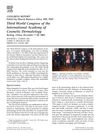 July 2004 in “Clinics in Dermatology”
 The Third World Congress of the International Academy of Cosmetic Dermatology discussed various topics like hair disorders, skin conditions, wound healing, shampoo technology, acne treatment, and the use of lasers in dermatology.
 January 2003 in “American Journal of Clinical Dermatology”
 In 2002, various skin reactions were reported due to different drugs, including allergies, hair loss, skin lesions, and other skin conditions.
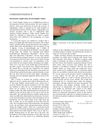 May 2002 in “British Journal of Dermatology”
 A pregnant woman's skin condition improved after giving birth, possibly due to high estrogen levels during pregnancy.
 February 1996 in “International Journal of Dermatology”
 The Seoul International Dermatology Symposium was a successful event that highlighted new dermatology treatments and fostered international relations.
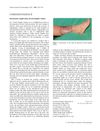 May 2002 in “British Journal of Dermatology”
 Hair loss caused by longer latent hair cycle and sudden miniaturization, not gradual follicle size reduction.
 10 citations
,
October 2015 in “Journal of the International Association of Providers of AIDS Care”
10 citations
,
October 2015 in “Journal of the International Association of Providers of AIDS Care” A woman with HIV had a severe skin condition that improved with antiretroviral therapy.
15 citations
,
July 1968 in “JAMA” Severe itching can be an early sign of hyperthyroidism.
2 citations
,
October 1974 in “Archives of Dermatology” The woman's skin condition persisted for 20 years despite treatments.

A rare skin condition in a 17-year-old was diagnosed late, stressing the need for careful evaluation and genetic testing.
 249 citations
,
April 2002 in “The FASEB journal”
249 citations
,
April 2002 in “The FASEB journal” Human skin can make serotonin and melatonin.
 124 citations
,
October 2019 in “Frontiers in Immunology”
124 citations
,
October 2019 in “Frontiers in Immunology” Janus kinase inhibitors are promising treatments for autoimmune skin diseases like eczema and psoriasis.
 117 citations
,
March 2013 in “Journal of the European Academy of Dermatology and Venereology”
117 citations
,
March 2013 in “Journal of the European Academy of Dermatology and Venereology” No effective treatment for frontal fibrosing alopecia was found, but oral 5-alpha-reductase inhibitors had the best response; for lichen planopilaris, topical corticosteroids were commonly used but had a high relapse rate.
 115 citations
,
November 2015 in “The journal of allergy and clinical immunology/Journal of allergy and clinical immunology/The journal of allergy and clinical immunology”
115 citations
,
November 2015 in “The journal of allergy and clinical immunology/Journal of allergy and clinical immunology/The journal of allergy and clinical immunology” Children with atopic dermatitis often have sleep problems, affecting their growth and behavior.
 105 citations
,
May 2011 in “The journal of investigative dermatology/Journal of investigative dermatology”
105 citations
,
May 2011 in “The journal of investigative dermatology/Journal of investigative dermatology” Activating TRPV3 stops human hair growth.
 84 citations
,
July 2003 in “European journal of biochemistry”
84 citations
,
July 2003 in “European journal of biochemistry” Mouse skin can produce and process serotonin, with variations depending on hair cycle, body location, and mouse strain.