 35 citations
,
July 2007 in “Dermatologic clinics”
35 citations
,
July 2007 in “Dermatologic clinics” Facial dark spots can be caused by the sun, genetics, makeup, or medicine, and are diagnosed by patient history and skin tests.
 January 2026 in “Dermatology Practical & Conceptual”
 Nail changes are common in alopecia areata and can indicate its severity.
37 citations
,
June 2000 in “Experimental dermatology” The Lanceolate hair-J mutation in mice mimics human hair disorders like Netherton's syndrome.
January 2005 in “Enlighten: Publications (The University of Glasgow)” Melanocyte pathology requires keratinocyte hyperplasia and regulation dysfunction.
 17 citations
,
January 2015 in “Current problems in dermatology”
17 citations
,
January 2015 in “Current problems in dermatology” Understanding and treating hair disorders in different ethnic groups requires knowledge of specific hair care practices and hair characteristics.
 6 citations
,
January 2019 in “The American Journal of Dermatopathology”
6 citations
,
January 2019 in “The American Journal of Dermatopathology” The conclusion is that fat tissue in the skin is a new finding in Frontal fibrosing alopecia and may contribute to hair follicle and muscle degeneration.
 10 citations
,
August 1991 in “PubMed”
10 citations
,
August 1991 in “PubMed” Inflammation, possibly triggered by a specific bacteria and activated by UV radiation, may contribute to male pattern baldness.
February 2022 in “Brazilian Journal of Health Review” Most cases were lichen planus pigmentosus, highlighting the need for accurate diagnosis for proper treatment.
28 citations
,
June 1995 in “The Journal of Dermatology” The flaky skin mouse mutation is a natural model for studying human psoriasis.
4 citations
,
October 2021 in “Journal of Clinical Medicine” Carriers of a specific gene mutation have subtle skin changes without visible symptoms.
 June 2023 in “Dermatology reports”
 The link between pemphigus and the patient's scarring hair loss is still unclear.
1 citations
,
January 2018 in “Annals of Medical and Health Sciences Research” People with male pattern baldness are more likely to have metabolic syndrome.
 1 citations
,
April 2019 in “The journal of investigative dermatology/Journal of investigative dermatology”
1 citations
,
April 2019 in “The journal of investigative dermatology/Journal of investigative dermatology” Melanocyte-associated antigens may play a key role in alopecia areata and could be targets for new treatments.
 August 2023 in “Research Square (Research Square)”
 Melanocytes may trigger the immune response in alopecia areata, affecting hair regrowth.
 February 2024 in “Journal of Investigative Dermatology”
 Deleting NIPP1 in mouse skin cells causes early aging and chronic skin issues.
 1 citations
,
November 2024 in “Archives of Dermatological Research”
1 citations
,
November 2024 in “Archives of Dermatological Research” Early and accurate diagnosis of posterior scalp hair loss is crucial for effective treatment and better outcomes.
 May 2024 in “Australasian journal of dermatology”
 A man with a type of skin lymphoma had unusual yellowish skin growths despite normal blood lipid levels, and treatment reduced some symptoms but not the growths.
2 citations
,
August 1993 in “Archives of Dermatology” A 39-year-old woman developed uncombable hair syndrome after taking oral contraceptives.
 January 2026 in “Biomedicines”
 Dysregulated lipid metabolism may play a role in male pattern baldness.
April 2023 in “Journal of Investigative Dermatology” New drug targets for hair loss treatment were identified by studying cell interactions in hair follicles.
88 citations
,
March 2004 in “Journal of Investigative Dermatology”  October 2022 in “Medičnì perspektivi”
 Darier-White disease causes skin and nail issues, starts around age 20, worsens until 40-50, and has poor treatment options.
 14 citations
,
September 2009 in “International Journal of Dermatology”
14 citations
,
September 2009 in “International Journal of Dermatology” DCPA is a chronic leg infection often related to Staphylococcus aureus, affecting mostly young men in India.
January 2024 in “Biomedicines” The review shows that skin symptoms like chronic fungal infections, hair loss, and skin depigmentation are key for early detection and management of APECED.
January 2026 in “JDDG Journal der Deutschen Dermatologischen Gesellschaft” A 5-year-old boy has Nevus Comedonicus Syndrome, causing skin lesions and a cataract.
 35 citations
,
January 2009 in “Indian Journal of Dermatology, Venereology and Leprology”
35 citations
,
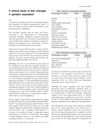
January 2009 in “Indian Journal of Dermatology, Venereology and Leprology” Older adults commonly experience wrinkles, itchy skin, psoriasis, fungal infections, skin growths, grey hair, hair loss, and nail ridging, but no skin cancer was found in this group.
 21 citations
,
January 2014 in “International Journal of Trichology”
21 citations
,
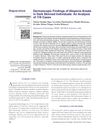
January 2014 in “International Journal of Trichology” The study concluded that yellow dots are a common and useful sign for diagnosing alopecia areata in dark-skinned individuals and may indicate the severity of the condition.
 8 citations
,
August 2013 in “Pediatric Dermatology”
8 citations
,
August 2013 in “Pediatric Dermatology” Loose Anagen Hair Syndrome is found in black-haired Indian children and is often missed, especially in boys.
 August 2018 in “Journal of The American Academy of Dermatology”
 The study concluded that a new method can effectively assess scalp sun damage in balding men, which increases with age and sun exposure.
83 citations
,
October 1998 in “The American Journal of Human Genetics” A specific gene mutation causes complete hair loss in an Irish Traveller family.