 April 2021 in “BMJ Case Reports”
 Accurate diagnosis of pseudolymphomatous folliculitis is crucial to avoid mistaking it for more serious conditions.
 4 citations
,
July 2012 in “Dermatologic Clinics”
4 citations
,
July 2012 in “Dermatologic Clinics” New biopsy techniques and tools improve alopecia diagnosis, and both too much and too little selenium can cause hair loss.
 August 2021 in “Acta Haematologica Polonica”
 Folliculotropic mycosis fungoides has a worse prognosis than other types, with survival rates varying significantly based on subtype and organ involvement.
 7 citations
,
June 2015 in “Cutaneous and Ocular Toxicology”
7 citations
,
June 2015 in “Cutaneous and Ocular Toxicology” Some drugs can cause skin reactions, which may improve when the drug is stopped, and rapid diagnosis and stopping the drug is crucial.
1 citations
,
July 2025 in “Stem Cell Research & Therapy” Stem cell technology may improve hair loss treatments by providing more effective and personalized options.
January 2026 in “Dermatologic Therapy” Folliculotropic Mycosis Fungoides requires stage-based treatment, with early stages using skin therapies and advanced stages needing aggressive treatments.
24 citations
,
August 2022 in “Immunity” Type 2 immunity helps control mite growth in hair follicles, preventing damage.
 October 2023 in “Pathology”
 A woman had a rare reaction to ear piercing that caused earlobe swelling, which was best treated by removing the piercing and not re-piercing.
14 citations
,
July 2004 in “Australasian Journal of Dermatology” Follicular mycosis fungoides can look like a B-cell lymphoma, making diagnosis difficult.
5 citations
,
April 2019 in “DOAJ (DOAJ: Directory of Open Access Journals)” Stopping shaving or removing hair follicles usually resolves Pseudofolliculitis barbae.
 1 citations
,
April 2019 in “JAAD case reports”
1 citations
,
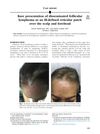
April 2019 in “JAAD case reports” A woman with lymphoma had a rare skin rash on her scalp and forehead, which was hard to diagnose but responded well to treatment.
 18 citations
,
July 2016 in “Journal of The American Academy of Dermatology”
18 citations
,
July 2016 in “Journal of The American Academy of Dermatology” Some skin lymphomas can look like common skin issues and need careful testing to diagnose correctly.
Pseudofolliculitis causes painful bumps and dark spots from shaving, especially in people with curly hair, and can be treated by changing shaving habits and using specific topical treatments.
9 citations
,
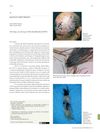
September 2014 in “British journal of dermatology/British journal of dermatology, Supplement” Pseudofolliculitis cutis causes painful skin bumps and needs proper shaving and treatments to manage.
 2 citations
,
February 2019 in “Anais brasileiros de dermatologia/Anais Brasileiros de Dermatologia”
2 citations
,
February 2019 in “Anais brasileiros de dermatologia/Anais Brasileiros de Dermatologia” Tufted folliculitis is common in patients with folliculitis decalvans.
23 citations
,
February 2003 in “British Journal of Dermatology” A rare type of skin lymphoma was identified, affecting hair follicles and sweat glands.
96 citations
,
February 2002 in “Journal of the American Academy of Dermatology” Pseudofolliculitis barbae is a chronic skin condition affecting mainly African American and Hispanic individuals, caused by shaving tightly curled hair, and managed by prevention and treatment but not curable.
4 citations
,
September 2011 in “Journal of the American Academy of Dermatology” A man developed a skin cancer called folliculotropic mycosis fungoides after a kidney transplant.
 6 citations
,
February 2010 in “Journal of The American Academy of Dermatology”
6 citations
,
February 2010 in “Journal of The American Academy of Dermatology” A woman had a rare skin condition with recurring painful nodules that heal in 6 weeks, often without needing treatment.
 21 citations
,
April 2019 in “Clinical, cosmetic and investigational dermatology”
21 citations
,
April 2019 in “Clinical, cosmetic and investigational dermatology” The document concludes that stopping shaving or removing affected hair can alleviate Pseudofolliculitis barbae (PFB).
 April 2023 in “Journal of Investigative Dermatology”
 An elderly woman's upper lip lump, thought to be a mucocele, was actually a rare type of lymphoma usually found on legs, treated successfully with chemotherapy and radiation.
18 citations
,
July 2010 in “Journal of the American Academy of Dermatology” Folliculotropic mycosis fungoides can look like alopecia areata.
14 citations
,
January 2014 in “Annals of Dermatology” Some cases of folliculotropic mycosis fungoides may progress slowly and not need aggressive treatment.
 May 2024 in “Australasian journal of dermatology”
 A man with a type of skin lymphoma had unusual yellowish skin growths despite normal blood lipid levels, and treatment reduced some symptoms but not the growths.
October 2021 in “European journal of cancer” Repeated biopsies are crucial for managing lupus panniculitis when initial treatments fail.
 September 1997 in “Journal of The European Academy of Dermatology and Venereology”
 Skin lymphoproliferative disorders are hard to diagnose and often linked to systemic diseases, but most have a good prognosis with accurate diagnosis.
 September 2025 in “Dermatology Online Journal”
 Biopsy is crucial for diagnosing unusual hair loss causes like lymphoma.
7 citations
,
October 2013 in “International Journal of Dermatology” Post-waxing folliculitis is common on arms and forearms, and further biopsies are needed to understand it better.
 13 citations
,
March 2011 in “British Journal of Dermatology”
13 citations
,
March 2011 in “British Journal of Dermatology” A woman with scalp lymphoma and hair loss improved with radiotherapy, highlighting the need for biopsies in similar cases.
28 citations
,
May 1998 in “Journal of the American Academy of Dermatology” Scalp inflammation can cause multiple hairs to grow from one follicle.