 21 citations
,
January 2013 in “Annals of dermatology/Annals of Dermatology”
21 citations
,
January 2013 in “Annals of dermatology/Annals of Dermatology” The combination of cyclosporine and PUVA might help treat severe alopecia areata.
 19 citations
,
May 1992 in “International Journal of Dermatology”
19 citations
,
May 1992 in “International Journal of Dermatology” Some alternative vitiligo treatments show promise, but none are as effective as psoralens and UVA.
 4 citations
,
July 2005 in “International Journal of Dermatology”
4 citations
,
July 2005 in “International Journal of Dermatology” Topical PUVA and tacrolimus ointment can effectively and safely treat infant alopecia universalis.
January 1985 in “Clinical research” Topical alpha-terthienyl with UVA may safely treat psoriasis without cancer risk.
65 citations
,
November 2008 in “Pediatric Dermatology” Phototherapy is effective and well-tolerated for treating childhood psoriasis and pityriasis lichenoides chronica.
2 citations
,
December 2013 in “Journal of Cosmetic Dermatology” UV treatment can damage hair, so protection is advised.
 July 1988 in “Journal of The American Academy of Dermatology”
 Various dermatologic treatments were effective for skin conditions like acne, rosacea, hair loss, and psoriasis from December 1986 to December 1987.
 January 2012 in “The Year book of dermatology”
 Many treatments for alopecia areata have inconsistent results; for under 10s, use minoxidil with a corticosteroid, and for over 10s, add ILC and consider diphenylcyclopropenone for widespread cases.
 1 citations
,
January 2005 in “Side effects of drugs annual”
1 citations
,
January 2005 in “Side effects of drugs annual” The document concluded that various dermatological treatments have different effectiveness and side effects, with some causing irritation, allergic reactions, or systemic effects.
 5 citations
,
February 2013 in “PubMed”
5 citations
,
February 2013 in “PubMed” Green tea may help with various skin conditions and protect the skin when taken orally or applied topically, but its effectiveness is not always proven.
63 citations
,
April 1985 in “Journal of the American Academy of Dermatology” Topical PUVA can cause temporary hair regrowth in some alopecia areata patients but doesn't change the long-term outcome.
 10 citations
,
May 1983 in “International Journal of Dermatology”
10 citations
,
May 1983 in “International Journal of Dermatology” Some people with severe hair loss saw hair regrowth after a specific light and drug treatment.
8 citations
,
July 2001 in “JEADV. Journal of the European Academy of Dermatology and Venereology/Journal of the European Academy of Dermatology and Venereology” New treatments for vitiligo show promise but still face challenges, especially for hands and feet.
September 1998 in “Journal of the European Academy of Dermatology and Venereology” PUVA-turban therapy can help some people with severe alopecia areata regrow hair.
33 citations
,
January 2004 in “Photochemistry and Photobiology” Superoxide dismutase (SOD) can prevent hair graying in mice.
12 citations
,
November 2004 in “Photochemistry and Photobiology” Superoxide dismutase (SOD) can prevent hair graying in mice.
 4 citations
,
September 2014 in “Elsevier eBooks”
4 citations
,
September 2014 in “Elsevier eBooks” Use some skin medications with caution during pregnancy; avoid strong steroids, certain eczema treatments, and systemic retinoids, but many topical treatments and nasal sprays are safe.
The document concludes that hair loss in women can be caused by various factors and is managed with specific treatments like medication, therapy, and lifestyle changes.
1 citations
,
January 2007 in “Side effects of drugs annual” Dermatological treatments can have significant side effects, including allergic reactions, sexual dysfunction, and increased cancer risk.
9 citations
,
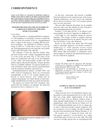
February 2002 in “International Journal of Dermatology” The patient's symptoms improved with treatment but recurred when the steroid dose was reduced, requiring ongoing therapy.
August 2009 in “Belarusian State Pedagogical University repository (Belarusian State Pedagogical University)” Alopecia areata in children is often linked to genetics, autoimmune issues, and stress, and is treated with corticoids or PUVA therapy.
 14 citations
,
January 2005 in “Pediatric Dermatology”
14 citations
,
January 2005 in “Pediatric Dermatology” UVA1-light therapy successfully treated a child's skin condition, mycosis fungoides.
 5 citations
,
January 2010 in “International journal of trichology”
5 citations
,
January 2010 in “International journal of trichology” PUVASOL might effectively treat complete scalp baldness.
 9 citations
,
May 2013 in “JAMA Dermatology”
9 citations
,
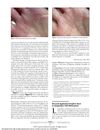
May 2013 in “JAMA Dermatology” Sunlight exposure improved a patient's skin condition, and there may be a link between a certain disease and skin growths; a leukemia treatment caused changes in hair color and growth.
 151 citations
,
February 2007 in “International Journal of Dermatology”
151 citations
,
February 2007 in “International Journal of Dermatology” Alopecia areata causes hair loss, has no cure, and various treatments exist.
 28 citations
,
December 2019 in “Skin appendage disorders”
28 citations
,
December 2019 in “Skin appendage disorders” Some medications might reverse gray hair, especially those that reduce inflammation or stimulate pigment production, and vitamin B might help.
 15 citations
,
November 1997 in “Australasian Journal of Dermatology”
15 citations
,
November 1997 in “Australasian Journal of Dermatology” A combination of oral cyclosporin and PUVA treatment worked well for a severe skin condition called generalized pustular psoriasis.
 12 citations
,
January 2011 in “Photodermatology, photoimmunology & photomedicine”
12 citations
,
January 2011 in “Photodermatology, photoimmunology & photomedicine” This therapy effectively treats resistant alopecia areata with minimal side effects.
 July 1980 in “Journal of The American Academy of Dermatology”
 The conference concluded that understanding hair and nail disorders is important, iron deficiency may be linked to hair loss, and while some treatments for skin conditions are effective, they may have risks and high costs.
 25 citations
,
January 2005 in “Pediatric Dermatology”
25 citations
,
January 2005 in “Pediatric Dermatology” Methotrexate effectively treated a 2-year-old's generalized pustular psoriasis without side effects.