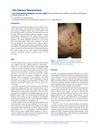
 October 2016 in “Elsevier eBooks”
 Common noncancerous skin diseases have various treatments, including topical applications, light therapy, surgery, and medications, with psychological support being important.

Elderly skin care needs personalized treatment, early intervention, and integrated psychiatric care.
 33 citations
,
April 2002 in “Journal of Cutaneous Medicine and Surgery”
33 citations
,
April 2002 in “Journal of Cutaneous Medicine and Surgery” Eating disorders can cause skin problems that need treating the underlying condition for better health.
 March 2014 in “Pediatric Clinics of North America”
 The document discusses how to identify and manage common skin conditions in children.
 March 2026 in “Health Psychology Report”
 Self-compassion can help reduce body shame and psychological distress in people with alopecia and psoriasis.
 4 citations
,
March 2017 in “Journal of evolution of medical and dental sciences”
4 citations
,
March 2017 in “Journal of evolution of medical and dental sciences” Older adults often have dry skin and itching, with high blood pressure frequently linked to skin problems.
June 2004 in “Journal of Investigative Dermatology” Apoptosis may play a role in feather and hair development, SF-36 is better for mental health in skin patients, a psoriasis gene is found in Caucasians, eosinophils might not be crucial for some skin allergies, and changes in atopic dermatitis could increase skin sensitivity.
9 citations
,
November 2018 in “Dermatologic Clinics” Understanding related health issues in skin disease patients is crucial for better care.
 130 citations
,
January 2005 in “American Journal of Clinical Dermatology”
130 citations
,
January 2005 in “American Journal of Clinical Dermatology” Eating disorders like anorexia and bulimia cause skin problems, and dermatologists can help detect these disorders early for better treatment outcomes.
 September 1995 in “American Journal of Contact Dermatitis”
 Antiyeast treatments work better for seborrheic dermatitis than steroids, and other findings include increased skin bacteria under plastic wrap, a nasal cell defect in Staphylococcus aureus carriers, quick resolution of certain skin reactions, high rubber latex allergy in spina bifida patients, and glyceryl monopentadecanoate's effectiveness for male hair loss.

Lifestyle changes can improve skin health and reduce disease symptoms.
 1 citations
,
October 2022 in “Cureus”
1 citations
,
October 2022 in “Cureus” Patients with chronic skin disorders often experience depression, anxiety, and reduced quality of life and may benefit from psychiatric help.
 March 2024 in “Indian Journal of Dermatology/Indian journal of dermatology”
 Using animal names for skin conditions helps with learning and memory.
February 2026 in “Skin Appendage Disorders” Pseudofolliculitis barbae is linked to higher rates of anxiety and depression.
 4 citations
,
March 2006 in “Archives of Dermatology”
4 citations
,
March 2006 in “Archives of Dermatology” The conclusion is that dermatologists can improve women's skin health but must overcome cultural and economic barriers to do so.
 March 2025 in “Texas Journal of Medical Science”
 Skin diseases affect young adults in India physically and emotionally.

Personalized, multidisciplinary care improves skin condition management and patient outcomes.
 10 citations
,
March 2021 in “Pediatric dermatology”
10 citations
,
March 2021 in “Pediatric dermatology” Dermatologists should understand cultural practices and communicate empathetically to effectively treat skin conditions in children and teens of color.
51 citations
,
December 2012 in “Clinics in Dermatology” Skin changes can help identify eating disorders early.
 1 citations
,
May 2023 in “Cutis”
1 citations
,
May 2023 in “Cutis” Eating disorders can cause skin problems, which may help with early diagnosis and treatment.
 46 citations
,
July 1988 in “Journal of The American Academy of Dermatology”
46 citations
,
July 1988 in “Journal of The American Academy of Dermatology” Hormone imbalances can cause specific skin changes, which may help in early detection of endocrine disorders.
August 2025 in “Brazilian Journal of Hair Health” Hair-related body dysmorphic disorder is common in hair loss patients and needs early recognition for proper treatment.
March 2004 in “Journal of Investigative Dermatology” Razor bumps are linked to a genetic variant, misoprostol helps erythromelalgia pain, steroid ointments don't affect skin rhythms, and certain antibodies are common in localized scleroderma.
July 2024 in “Medical alphabet” "Burning scalp" syndrome causes discomfort and may be managed with special cosmetics.
 June 2026 in “Frontiers in Allergy”
 SSD patients have unique allergen sensitivities linked to skin and microbiota changes.
 20 citations
,
August 2018 in “Clinics in Dermatology”
20 citations
,
August 2018 in “Clinics in Dermatology” The conclusion is that understanding and addressing the psychological effects of alopecia areata is important for effective treatment.
10 citations
,
November 2017 in “Skin Appendage Disorders” Erosive pustular dermatosis in elderly people may be linked to aging immune systems and skin damage.
 January 2025 in “Journal of Cosmetic Dermatology”
 Poor nutrition, higher BMI, and stress may worsen seborrheic dermatitis.
 2 citations
,
July 2025 in “Scientific Reports”
2 citations
,
July 2025 in “Scientific Reports” Dermatological diseases affect women's work performance more than men's.
 13 citations
,
October 2015 in “Journal of the European Academy of Dermatology and Venereology”
13 citations
,
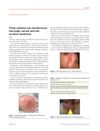
October 2015 in “Journal of the European Academy of Dermatology and Venereology” The document concludes that early recognition and appropriate treatment of red scalp, red ear, and red scrotum syndromes can lead to remission.