 September 2025 in “International Journal of Science and Research (IJSR)”
 Stress causes hair loss by disrupting hair growth cycles, and combining medical and cosmetic treatments can help manage it.
 January 2026 in “Zenodo (CERN European Organization for Nuclear Research)”
 Chronic stress can cause hair loss, but relaxation and gentle care can help manage it.
 January 2026 in “Zenodo (CERN European Organization for Nuclear Research)”
 Chronic stress can cause hair loss, but relaxation and gentle care can help manage it.
December 2025 in “Revista Científica Sinapsis” Personalized hair care using modern techniques and science is essential for healthy hair.
 May 2022 in “Голова и шея.”
 Music affects people's brain activity differently based on their musical education.
 4 citations
,
September 2021 in “Frontiers in allergy”
4 citations
,
September 2021 in “Frontiers in allergy” The conclusion is that understanding the complex relationship between allergies, autoimmunity, and psychological factors is key to treating skin disorders with itching.
 41 citations
,
March 1992 in “Archives of Dermatology”
41 citations
,
March 1992 in “Archives of Dermatology” The review suggests that understanding and treating the psychological aspect of skin disorders is important and calls for more collaboration in this field.
 41 citations
,
November 2003 in “Annals of the New York Academy of Sciences”
41 citations
,
November 2003 in “Annals of the New York Academy of Sciences” Male hormones, or androgens, affect women's health in areas like mood and bone density, and hormone replacement therapy using antiandrogenic progestogens can improve mood disorders and alertness in menopausal women.
 25 citations
,
January 2015 in “Advances in Psychosomatic Medicine”
25 citations
,
January 2015 in “Advances in Psychosomatic Medicine” Many skin patients also have mental health issues, and doctors should treat both together.
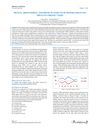 December 2014 in “Annals of psychophysiology”
 Power-enhancing drugs can cause mood swings, aggression, anxiety, and physical side effects, questioning their overall benefits.
July 2008 in “International journal of psychophysiology” Cyproterone acetate is a safe treatment that causes mild feminizing effects in adolescent trans-girls.
 December 2020 in “Current Sexual Health Reports”
 Finasteride can have lasting negative effects on brain function and behavior by disrupting neurosteroid production.
 38 citations
,
August 2012 in “Biochemical and biophysical research communications”
38 citations
,
August 2012 in “Biochemical and biophysical research communications” Human leukocytes and beard hair follicle cells have internal daily clocks, and PER1 and PER3 genes may indicate individual circadian rhythms.
4 citations
,
October 2017 in “Journal of Mind and Medical Sciences” The brain may create four separate minds, each with its own mental reality.
143 citations
,
June 1983 in “Archives of dermatology” Mental and social factors greatly affect skin conditions and doctors find it hard to deal with these aspects.
 5 citations
,
January 1984 in “Journal of psychosomatic obstetrics and gynecology/Journal of psychosomatic obstetrics and gynaecology”
5 citations
,
January 1984 in “Journal of psychosomatic obstetrics and gynecology/Journal of psychosomatic obstetrics and gynaecology” The treatment reduced hair growth and testosterone in women with excess hair and had some effects on stress responses.
 2 citations
,
March 2004 in “Reviews in Gynaecological Practice”
2 citations
,
March 2004 in “Reviews in Gynaecological Practice” Hormonal changes and psychological issues can cause sexual dysfunction in postmenopausal women. Behavioral therapy is recommended first, with hormone replacement helping some symptoms but not libido. Testosterone can improve libido, but its effects on overall sexual function are unclear. Emotional and relationship issues should be addressed before using medication, and the benefits and risks of testosterone supplementation should be considered.
 January 2002 in “Dermatology + psychosomatics”
  41 citations
,
March 2010 in “Psychology Research and Behavior Management”
41 citations
,
March 2010 in “Psychology Research and Behavior Management” Using psychological treatments can help manage skin conditions along with regular medical care.
 22 citations
,
May 2011 in “American Journal of Clinical Dermatology”
22 citations
,
May 2011 in “American Journal of Clinical Dermatology” Recognizing and managing skin-related psychiatric disorders in children is crucial for effective treatment.
 21 citations
,
April 2016 in “Journal of Dermatological Treatment”
21 citations
,
April 2016 in “Journal of Dermatological Treatment” Finasteride may cause mental and sexual side effects, with hand preference and sexual orientation possibly affecting severity.
 15 citations
,
September 2015 in “Journal der Deutschen Dermatologischen Gesellschaft”
15 citations
,
September 2015 in “Journal der Deutschen Dermatologischen Gesellschaft” Skin doctors should recognize and treat conditions like hair-pulling and skin-picking early, often using therapy and medication, to help 50-70% of patients.
 5 citations
,
February 2010 in “Expert Review of Dermatology”
5 citations
,
February 2010 in “Expert Review of Dermatology” Treating both the mind and skin together, especially by managing stress, can greatly improve outcomes for skin disorders linked to psychological issues.
research Acne
4 citations
,
January 2019 Acne is a common skin condition that can be influenced by diet, lifestyle, and hormones, and requires a treatment approach that includes psychological considerations.
 June 2026 in “Scientific Reports”
 Open-label placebos can reduce stress and improve exam performance.
 251 citations
,
October 2014 in “The Journal of Clinical Endocrinology & Metabolism”
251 citations
,
October 2014 in “The Journal of Clinical Endocrinology & Metabolism” The guidelines advise against using testosterone and DHEA in women for most conditions due to safety and effectiveness concerns, but suggest considering testosterone for postmenopausal women with low sexual desire.
 115 citations
,
November 2004 in “Brain Behavior and Immunity”
115 citations
,
November 2004 in “Brain Behavior and Immunity” Stress increases nerve fibers and immune cell activity in mouse skin, possibly worsening skin conditions.
 105 citations
,
February 2011 in “The Journal of Clinical Endocrinology & Metabolism”
105 citations
,
February 2011 in “The Journal of Clinical Endocrinology & Metabolism” Treating sleep apnea in young obese women with PCOS can improve heart health and insulin sensitivity.
 66 citations
,
July 2007 in “Journal of Molecular Medicine”
66 citations
,
July 2007 in “Journal of Molecular Medicine” Stress increases certain chemicals in the skin and nerves, which might worsen skin conditions.
 63 citations
,
March 2016 in “International Journal of Molecular Sciences”
63 citations
,
March 2016 in “International Journal of Molecular Sciences” Children with atopic dermatitis often have sleep problems due to itching and may benefit from melatonin, which helps with sleep and skin symptoms.