 20 citations
,
November 2012 in “Journal der Deutschen Dermatologischen Gesellschaft”
20 citations
,
November 2012 in “Journal der Deutschen Dermatologischen Gesellschaft” Hair diseases can have psychological effects and should be treated with a combination of psychosomatic care, therapy, and medication.
Emotional states significantly affect hair growth and hair disorders.
 28 citations
,
January 2015 in “Journal der Deutschen Dermatologischen Gesellschaft”
28 citations
,
January 2015 in “Journal der Deutschen Dermatologischen Gesellschaft” Women with scarring alopecia have a lower quality of life and more anxiety and depression than those with non-scarring alopecia.
 5 citations
,
November 2021 in “Skin appendage disorders”
5 citations
,
November 2021 in “Skin appendage disorders” Hair loss can cause stress and mental health issues, so treatments should address both the physical and psychological aspects, involving a team of dermatologists, psychologists, and hair specialists.
 January 2012 in “International Journal of Trichology”
 Psychological factors significantly affect hair health, suggesting a need for integrating mental health care in treating hair loss.
January 2008 in “International Journal of Trichology” Psychological factors can cause hair and scalp problems.
 June 2023 in “Buletin de psihiatrie integrativă”
 Alopecia causes significant emotional distress and psychological issues, requiring combined skin and mental health treatment.
 30 citations
,
August 2018 in “Dermatology and Therapy”
30 citations
,
August 2018 in “Dermatology and Therapy” Better-designed, long-term studies are needed to optimize treatment for trichotillomania and trichophagia.
 25 citations
,
January 2015 in “Advances in Psychosomatic Medicine”
25 citations
,
January 2015 in “Advances in Psychosomatic Medicine” Many skin patients also have mental health issues, and doctors should treat both together.
119 citations
,
February 2009 in “Neuroscience & Biobehavioral Reviews” Trichotillomania involves hair pulling and can be treated with therapy and medication.
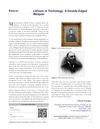 January 2015 in “International Journal of Trichology”
 Lithium can treat bipolar disorder but may cause hair loss and other hair problems.

Trichotillomania treatment is improving with new therapies, but challenges like stigma and lack of training remain.

Trichotillomania treatment is improving with behavior therapy and new drug approaches, but challenges like stigma and underdiagnosis remain.
March 1999 in “Annals of the Academy of Medicine Singapore” Trichotillomania is a chronic condition where people uncontrollably pull out their hair, often needing medication and therapy for treatment.
 4 citations
,
January 2019 in “Clinical and Experimental Dermatology”
4 citations
,
January 2019 in “Clinical and Experimental Dermatology” The review found that individualized treatment and teamwork are important for trichotillomania, and patients who followed through with treatment often improved.
 3 citations
,
December 1962 in “Australasian Journal of Dermatology”
3 citations
,
December 1962 in “Australasian Journal of Dermatology” The current state and future directions of the field that studies the connection between the mind and skin are discussed.
19 citations
,
March 1999 in “PubMed” Trichotillomania is a chronic condition where people uncontrollably pull out their hair, often starting in childhood.

Trichotillomania involves hair-pulling due to brain and genetic factors, with behavior therapy and new drugs showing promise, but challenges like stigma and underdiagnosis persist.
 13 citations
,
October 2004 in “Anais Brasileiros De Dermatologia”
13 citations
,
October 2004 in “Anais Brasileiros De Dermatologia” The document concludes that compulsive hair disorders, like trichotillomania, are complex and require careful diagnosis and treatment from both psychiatric and dermatological perspectives.
3 citations
,
January 2000 Psychoactive drugs can help treat skin conditions linked to psychological issues.
March 2025 in “International Journal of Trichology” Trichodaganomania involves biting one's hair and needs combined psychological and medical treatment.
March 2025 in “International Journal of Clinical Dermatology” Psychodermatosis is reclassified based on brain-skin interaction, dividing conditions into psychogenic and psychosomatic categories.
52 citations
,
October 1997 in “American Journal of Psychiatry” Trichotillomania is a complex condition involving compulsive hair pulling that causes distress and hair loss.
January 1999 in “대한피부과학회지” Trichotillomania is more common in young females and often linked to stress and psychiatric conditions, with hair loss and increased catagen hair observed.
3 citations
,
September 2012 in “Journal of counseling and development” Trichotillomania involves hair pulling and can be treated with proper understanding and methods.
 38 citations
,
April 2017 in “Journal of The American Academy of Dermatology”
38 citations
,
April 2017 in “Journal of The American Academy of Dermatology” Many skin patients have mental health issues, but few dermatologists are well-versed in treating these conditions.
 3 citations
,
December 2001 in “Irish Journal of Psychological Medicine”
3 citations
,
December 2001 in “Irish Journal of Psychological Medicine” Trichotillomania is a challenging-to-treat impulse-control disorder where individuals pull out their hair, more common in females, with some treatments showing benefits.
 2 citations
,
January 2023 in “Journal of Education, Health and Sport”
2 citations
,
January 2023 in “Journal of Education, Health and Sport” Cognitive-behavioral therapy with habit reversal training is the most effective treatment for trichotillomania.
 1 citations
,
June 2022 in “Ciencia Latina Revista Científica Multidisciplinar”
1 citations
,
June 2022 in “Ciencia Latina Revista Científica Multidisciplinar” Psychiatric issues often appear as skin problems, affecting 30% of dermatology patients.
 15 citations
,
September 2015 in “Journal der Deutschen Dermatologischen Gesellschaft”
15 citations
,
September 2015 in “Journal der Deutschen Dermatologischen Gesellschaft” Skin doctors should recognize and treat conditions like hair-pulling and skin-picking early, often using therapy and medication, to help 50-70% of patients.