 November 2022 in “Journal of the Endocrine Society”
 Estrogen deficiency can reduce the enzyme activity needed to activate vitamin D.
 August 2022 in “JAAD case reports”
 A woman with a long-term skin condition developed a serious skin cancer that led to her death.
Hairless mammals evolved quickly in both gene and non-gene areas related to skin and hair.
 September 2021 in “bioRxiv (Cold Spring Harbor Laboratory)”
 Special gut cells help stem cells move to and fix injured areas by activating a specific signaling pathway.
January 2021 in “대한미용학회지” Boswellia may improve skin inflammation symptoms and positively influence hair growth in mice.
NCBP3, SDHA, and PTPRA are the best genes for normalizing goat skin experiments.
 May 2020 in “Research Square (Research Square)”
 Trichilemmal carcinoma shares genetic traits with other skin cancers, suggesting similar treatment options.
 April 2020 in “Research Square (Research Square)”
 Trichilemmal carcinoma shares genetic traits with other skin cancers, suggesting similar treatment options.
 January 2020 in “Hair transplant forum international”
 The type of previous hair restoration surgery might affect the success of a later one, with strip harvesting possibly leading to fewer damaged hair follicles.
Hedgehog signaling can create new hair follicles in adult skin but may increase cancer risk.
 November 2019 in “Neuro-oncology”
 Rind-based techniques can lower scalp radiation dose and reduce hair loss in brain cancer treatment.
June 2019 in “International journal of dermatology and venereology” The Hedgehog Signaling Pathway is important for skin and hair development and skin cancer treatment, but more research is needed to understand it fully.
Hedgehog signaling can create new hair follicles but may also cause tumors.
April 2017 in “The journal of investigative dermatology/Journal of investigative dermatology” Double stranded RNA helps skin wounds heal by coordinating specific proteins and signaling pathways.
 April 2017 in “Journal of Dermatological Science”
 B cells can both help and hinder the body's defense against melanoma.
March 2017 in “Jurnal materi dan pembelajaran fisika” Light diffraction helps in eye surgery, brain treatments, and detecting hair loss and genetic diseases.
 January 2017 in “Journal of Investigative Dermatology Symposium Proceedings”
 The 2015 Hair Research Congress concluded that stem cells, maraviroc, and simvastatin could potentially treat Alopecia Areata, topical minoxidil, finasteride, and steroids could treat Frontal Fibrosing Alopecia, and PTGDR2 antagonists could also treat alopecia. They also found that low-level light therapy could help with hair loss, a robotic device could assist in hair extraction, and nutrition could aid hair growth. They suggested that Alopecia Areata is an inflammatory disorder, not a single disease, indicating a need for personalized treatments.
December 2016 in “The journal of investigative dermatology/Journal of investigative dermatology” Hedgehog signaling controls hair follicle development and can affect skin cancer growth.
Deleting the MAD2L1 gene in mice led to rapid tumor growth despite chromosomal instability.
 April 2016 in “Journal of Investigative Dermatology”
 Blocking Oncostatin M's role in the JAK-STAT pathway can stimulate hair growth in mice.
 April 2016 in “Journal of Investigative Dermatology”
 Double-stranded RNA activates a pathway that causes a skin protein to be expressed in the wrong place.
 April 2016 in “Journal of Investigative Dermatology”
 Blocking Prostaglandin D₂ (PGD₂) could help treat hair loss.
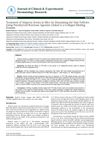 January 2015 in “Journal of clinical & experimental dermatology research”
 A protein combining parathyroid hormone and collagen helped hair regrow in mice with a hair loss condition.
October 2012 in “Faculty Opinions – Post-Publication Peer Review of the Biomedical Literature” Thymic peptides can either promote or inhibit human hair growth.
Prunus Tomentosa extract is effective in promoting hair growth, similar to minoxidil.
 July 2010 in “British Journal of Dermatology”
 New hair regrowth model proposed, imiquimod found to kill skin cancer cells, T-cadherin loss linked to invasive skin cancer, no clear gene link to skin cancer after transplant, and study on children's hair loss shows male dominance and genetic ties.
 June 2010 in “Melanoma research”
 LDE225 is a promising skin-applied treatment for basal cell carcinoma with good skin penetration and effectiveness.
January 2010 in “Journal of Animal Science” Transcutaneous vaccination using nanoparticles can enhance immune responses and reduce basal cell carcinomas.
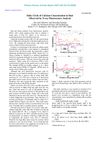
Hair can show daily calcium changes, linked to body calcium levels and influenced by hormones, and can help assess calcium metabolism issues.
 January 2007 in “Journal of The American Academy of Dermatology”
 Propylthiouracil, a thyroid medication, can cause skin blood clots and immune-related blood vessel inflammation.