Search
for
Sort by
Research
540-570 / 1000+ results research Reduced levels of 5-α reductase 2 in adult prostate tissue and implications for BPH therapy
Some men's prostate tissues have low enzyme levels due to genetic changes, possibly affecting treatment for prostate enlargement.
research Differential expression of steroid 5α-reductase isozymes and association with disease severity and angiogenic genes predict their biological role in prostate cancer
SRD5A1 is crucial in advanced prostate cancer, and blocking both SRD5A1 and SRD5A2 is more effective than targeting SRD5A2 alone.
research Recent Advances in Drug Design and Drug Discovery for Androgen- Dependent Diseases
New treatments for prostate cancer and BPH show promise, including novel compounds that target hormone synthesis and response.
research Biological Activities of 2,3,5,4′-Tetrahydroxystilbene-2-O-β-D-Glucoside in Antiaging and Antiaging-Related Disease Treatments
THSG from a Chinese plant helps with aging and related diseases.
research Neuroactive gonadal drugs for neuroprotection in male and female models of Parkinson's disease
Some hormone-related drugs may protect brain cells in Parkinson's disease differently in men and women.

research 5α-reductase Inhibitors: Finasteride and Dutasteride in Feminising Therapy
Finasteride and dutasteride have limited use in feminising therapy and are not recommended for routine use.

research 432 Patient and device generated variability in platelet-derived growth factors during platelet-rich plasma therapy for hair loss
Differences in growth factors in platelet-rich plasma therapy for hair loss can vary between patients and can be influenced by the devices used, possibly leading to inconsistent results.

research Discovery of a transdermally deliverable pentapeptide for activating AdipoR1 to promote hair growth
A new small peptide may help hair growth by activating a specific receptor and should be tested in humans.
research The effect of GGC and CAG repeat polymorphisms on the androgen receptor gene in response to finasteride therapy in men with androgenetic alopecia
Fewer GGC sequences in the androgen receptor gene improve finasteride treatment for hair loss.
research Anti-androgenetic effect of diphlorethohydroxycarmalol on testosterone-induced hair loss by inhibiting 5α-reductase and promoting Wnt/β-catenin signaling pathway in human dermal papilla cells
Diphlorethohydroxycarmalol may help treat hair loss better than current medications.
research Exogenous Alpha-Ketoglutaric Acid Alleviates the Rabbit Dermal Papilla Cell Oxidative Damage Caused by Hydrogen Peroxide Through the ERK/Nrf2 Signaling Pathway
Alpha-ketoglutarate protects rabbit skin cells from oxidative damage by activating a specific cell pathway.

research Design, synthesis and anti-tumor evaluation of novel thiohydantoin congeners as androgen receptor antagonists with in vivo study.
A new compound, 3a, effectively fights prostate cancer better than finasteride.

research Vitamins and their derivatives synergistically promote hair shaft elongation ex vivo via PlGF/VEGFR-1 signalling activation
Certain vitamins and their derivatives can help hair grow longer by activating specific growth signals.
research Anti-anginal and beta-adrenoceptor blocking drugs
Beta-blockers and anti-anginal medications have various side effects and interactions that require careful monitoring and individualized treatment.

research ADVANCEMENTS IN TREATMENT STRATEGIES FOR ANDROGENETIC ALOPECIA: NOVEL THERAPIES AND FUTURE PERSPECTIVES
New treatments for androgenetic alopecia show promise but need more research for validation.
research Comparison of Efficacy and Specificity in Cancer‐Targeting Prodrug Conjugates
The document concludes that biotin, folate, and RGD peptides are promising for targeting cancer cells with prodrugs, but the conjugates are not yet tested for use.
research Drug Repurposing Patent Applications April–June 2021
Drug repurposing shows promise for treating many medical conditions.

research Synthesis of novel andostane-N-cyclohexyl-17-carboxamides, and their effect on the 5α-reductase isoform 2, the androgen receptor, and androgen-dependent glands
New compounds were made and tested, with compound 6 showing potential for treating prostate-related diseases.

research Animal models of androgen-dependent disorders of the pilosebaceous apparatus
Testosterone causes hair loss in AGA mice, which are good for testing baldness treatments, and both minoxidil and cyproterone acetate can prevent this hair loss.
research A model for the turnover of dihydrotestosterone in the presence of the irreversible 5α-reductase inhibitors GI198745 and finasteride
Both drugs lower DHT levels, with GI198745 being more effective.

research Synergistic therapeutic effect of ginsenoside Rg3 modified minoxidil transfersomes (MXD-Rg3@TFs) on androgenic alopecia in C57BL/6 mice
Ginsenoside Rg3 combined with minoxidil was more effective in treating hair loss in mice.
research Effect of the 5α-reductase enzyme inhibitor dutasteride in the brain of intact and parkinsonian mice
Dutasteride may protect the brain in early Parkinson's disease.
research Hair growth-modulation by adrenergic drugs
Certain drugs can cause early hair growth in mice by affecting the nerves.
research In vivo and in vitro effect of novel 4,16-pregnadiene-6,20-dione derivatives, as 5α-reductase inhibitors
The new compounds may be more effective and cheaper than current treatments for conditions like baldness.

research Pharmacological Inhibition of DGAT1 Induces Sebaceous Gland Atrophy in Mouse and Dog Skin While Overt Alopecia Is Restricted to the Mouse
Blocking DGAT1 reduces oil gland size in mice and dogs, but only mice experience hair loss.
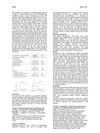
research PV-0538 Prostaglandin related distinct regenerative activities in hair follicles following radiation injury
HPV infection is linked to better survival in advanced anal cancer, higher radiation doses improve survival, especially in HPV-negative patients, and prostaglandin E₂ pretreatment can protect mouse hair follicles from radiation damage.
research Antiulcer drugs
The document concludes that H2-antagonists and proton pump inhibitors are highly effective for ulcers, eradicating Helicobacter pylori is important to prevent recurrence, and misoprostol helps with NSAID-related ulcers.
research Expanding the therapeutic potential of neuro(active)steroids: a promising strategy for hyperdopaminergic behavioral phenotypes
Neurosteroids may help treat disorders with too much dopamine activity.
research Tyrosine kinase inhibition and grey hair
Imatinib can repigment grey hair, while SU11428 can cause temporary hair depigmentation.