 November 2017 in “Pediatrics in Review”
 A 4-year-old girl with hair loss was diagnosed with early-onset trichotillomania and improved with behavioral interventions.
 December 2016 in “John Wiley & Sons, Ltd eBooks”
 The document concludes that proper recognition and treatment of skin appendage disorders are important for management.
 January 2016 in “Elsevier eBooks”
 Trichoscopy is a key method for dermatologists to quickly and effectively diagnose hair and scalp conditions.
 March 2015 in “Zagazig University Medical Journal”
 Damage to hair follicle stem cells may cause permanent hair loss and scarring in PCA.
 July 2014 in “Elsevier eBooks”
 The document concludes that various hypersensitivity diseases in horses can be diagnosed and treated with methods like immunotherapy and medication, and early aggressive treatment is crucial for severe diseases like equine cutaneous pythiosis.
 December 2012 in “Drugs & Therapy Perspectives”
 Doctors use their experience to choose treatments for scarring hair loss because it's hard to diagnose and treat.
 September 2010 in “Companion Animal”
 The guide explains how to diagnose and treat hair loss in dogs, covering causes and treatments, with some conditions lacking treatment options.
 August 2009 in “Expert Review of Dermatology”
 Pregnancy can cause skin changes and conditions that need correct diagnosis and treatment for the health of the mother and baby.
 May 2007 in “Dermatologic Therapy”
 Hair care practices like using relaxers and tight braiding can lead to permanent hair loss in black women.
 November 2005 in “Journal of Investigative Dermatology Symposium Proceedings”
 The workshop aimed to improve hair loss disorder diagnosis and understanding.
 July 2003 in “Journal of Cutaneous Medicine and Surgery”
 Certain drugs can cause lupus, stopping these drugs is the main treatment. NB-UVB phototherapy clears psoriasis faster when applied three times a week. Monoclonal antibodies and oral pimecrolimus are effective in treating psoriasis. Smoking and drinking are linked to psoriasis in men. No direct link between low iron and hair loss was found. Vaccines are effective against genital herpes and human papillomavirus type 16.
 July 2003 in “Journal of Cutaneous Medicine and Surgery”
 Blood pressure drugs can cause skin lupus, early treatment is key for baby herpes and diabetic foot ulcers, a certain vaccine works against genital herpes and HPV in women, more frequent light therapy helps psoriasis, smoking and drinking can worsen psoriasis, a cream clears up a type of skin cancer, and low iron levels don't cause chronic hair loss.
 July 2003 in “Journal of Cutaneous Medicine and Surgery”
 Various skin conditions can be treated effectively with different methods, such as discontinuing certain drugs, using specific vaccines, applying creams, and changing lifestyle habits like smoking and drinking.
 July 2003 in “Journal of Cutaneous Medicine and Surgery”
 The document concludes that various treatments for skin conditions are effective, but some require further research, and certain factors like gender and lifestyle can influence disease outcomes.
 July 2003 in “Journal of Cutaneous Medicine and Surgery”
 High blood pressure drugs often cause skin lupus, stopping the drug usually helps. A vaccine helps prevent genital herpes and HPV-16. More frequent light therapy clears psoriasis faster. No link was found between low iron and chronic hair loss.
 July 2003 in “Journal of Cutaneous Medicine and Surgery”
 Treating psoriasis with UVB light three times a week is faster than twice a week, and certain medications and lifestyle factors affect psoriasis treatment outcomes.
 July 2003 in “Journal of Cutaneous Medicine and Surgery”
 Skin problems are common in Bangladesh due to arsenic, prompt treatment of diabetic foot ulcers is crucial, maternal transmission causes most neonatal herpes, treatments for pediatric vasculitis are effective, the chickenpox vaccine works, more frequent UVB therapy helps psoriasis, certain jobs increase hand dermatitis risk, monoclonal antibodies treat psoriasis well, lifestyle affects psoriasis, alefacept improves psoriasis, imiquimod cream partially clears basal cell carcinoma, and iron may not help chronic hair loss.
 July 2003 in “Journal of Cutaneous Medicine and Surgery”
 Blood pressure drugs can cause skin lupus, but it improves after stopping the drug. The glycoprotein D vaccine works against genital herpes in some women, and the HPV-16 vaccine reduces HPV-16 infection and related diseases. More frequent light therapy clears psoriasis faster. A cream called imiquimod effectively treats a type of skin cancer. Iron supplements don't necessarily help with chronic hair loss in women.
 July 2002 in “Australasian Journal of Dermatology”
 Maintaining anticoagulation is crucial for patients with antiphospholipid syndrome.
 July 2002 in “Australasian Journal of Dermatology”
 A woman with lupus had hair loss and skin issues that were successfully treated with medications.
 April 1963 in “Archives of Dermatology”
 Dermatological conditions are complex and treatments often have mixed results.
 May 2019 in “Journal of the Dermatology Nurses’ Association”
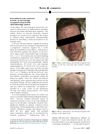
 Folliculitis decalvans mainly affects middle-aged African American men and is treated with antibiotics.
 2 citations
,
November 2018 in “JAAD case reports”
2 citations
,
November 2018 in “JAAD case reports” Drinking kava tea can cause a skin reaction with red, swollen bumps, which may improve with steroids.
 1 citations
,
March 2022 in “Berkala Ilmu Kesehatan Kulit dan Kelamin/Berkala ilmu kesehatan kulit dan kelamin (Periodical of dermatology and venerology)”
1 citations
,
March 2022 in “Berkala Ilmu Kesehatan Kulit dan Kelamin/Berkala ilmu kesehatan kulit dan kelamin (Periodical of dermatology and venerology)” Trichoscopy helps diagnose and monitor the treatment of fungal scalp infections in children.
 1 citations
,
December 2007 in “Drug and therapeutics bulletin”
1 citations
,
December 2007 in “Drug and therapeutics bulletin” New treatments for children's scalp ringworm are recommended based on recent data.
 June 2026 in “Journal of Pakistan Association of Dermatologists”
 Higher triglyceride levels are linked to more severe acne, but BMI is not.
 July 2024 in “Federal Practitioner”
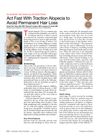
 Act quickly to prevent permanent hair loss from tight hairstyles.
 69 citations
,
January 2020 in “Veterinary World”
69 citations
,
January 2020 in “Veterinary World” Ringworm in pets is influenced by fungi type, immune status, and stress hormones.
 33 citations
,
January 2013 in “Dermatology”
33 citations
,
January 2013 in “Dermatology” Over half of the adult women with acne in the study had higher than normal levels of male hormones, especially DHEA.
 28 citations
,
January 2014 in “Indian Journal of Dermatology, Venereology and Leprology”
28 citations
,
January 2014 in “Indian Journal of Dermatology, Venereology and Leprology” Chinese patients with primary cicatricial alopecia often have folliculitis decalvans, benefit from treatment, but may experience relapse, with dermoscopy being a useful diagnostic tool.