 January 1993 in “Side effects of drugs annual”
 Natural products like propolis are causing more skin allergies, and certain skin treatments and medications have various side effects and risks.
1 citations
,
January 2019 in “Via Medica Journals” Graham-Little syndrome causes hair loss and skin bumps, with difficult treatment options.
 19 citations
,
August 2010 in “Journal der Deutschen Dermatologischen Gesellschaft”
19 citations
,
August 2010 in “Journal der Deutschen Dermatologischen Gesellschaft” Certain plant extracts can effectively treat skin conditions like athlete's foot, chronic vein problems, sun damage, skin growths, vitiligo, and hair loss, and may also improve skin appearance.
 January 2025 in “Journal of Case Reports and Scientific Images”
 Early diagnosis and treatment are crucial for managing Folliculotropic Mycosis Fungoides on the scalp.
 89 citations
,
June 2012 in “Anais Brasileiros de Dermatologia”
89 citations
,
June 2012 in “Anais Brasileiros de Dermatologia” Actinic keratosis can lead to skin cancer, is more common in fair-skinned people, and can be reduced with sunscreen and treated effectively.
 86 citations
,
October 2017 in “Clinics in Dermatology”
86 citations
,
October 2017 in “Clinics in Dermatology” Older adults have a high rate of skin cancers like basal cell carcinoma and melanoma, mainly due to UV exposure and age.
 56 citations
,
January 2021 in “Clinical and Experimental Medicine”
56 citations
,
January 2021 in “Clinical and Experimental Medicine” The document concludes that while there are various treatments for Alopecia Areata, there is no cure, and individualized treatment plans are essential due to varying effectiveness.
 32 citations
,
November 2018 in “Anais Brasileiros de Dermatologia”
32 citations
,
November 2018 in “Anais Brasileiros de Dermatologia” In Brazil in 2018, the most common skin issues were acne, photoaging, and nonmelanoma skin cancer, with treatments often including topical medications and sunscreen.
 26 citations
,
March 2014 in “Journal of cutaneous medicine and surgery”
26 citations
,
March 2014 in “Journal of cutaneous medicine and surgery” Topical vitamin D is useful for some skin conditions but not effective for others, and more research is needed.
 8 citations
,
January 2020 in “Plastic and Aesthetic Nursing”
8 citations
,
January 2020 in “Plastic and Aesthetic Nursing” The article concludes that different types of hair loss require specific treatments and psychological support is important.
 January 2018 in “Elsevier eBooks”
 Topical imiquimod is as effective as 5-fluorouracil for treating actinic keratosis, with about a 5% risk of it turning into squamous cell carcinoma.
 July 2003 in “Journal of Cutaneous Medicine and Surgery”
 Some medications can improve skin conditions, while lifestyle factors like smoking and drinking may worsen them; treatments like monoclonal antibodies and imiquimod cream show promise for certain skin diseases.
 July 1980 in “Journal of The American Academy of Dermatology”
 The conference concluded that understanding hair and nail disorders is important, iron deficiency may be linked to hair loss, and while some treatments for skin conditions are effective, they may have risks and high costs.
 29 citations
,
March 1983 in “Journal of The American Academy of Dermatology”
29 citations
,
March 1983 in “Journal of The American Academy of Dermatology” New treatments for psoriasis have improved effectiveness and may reduce long-term side effects when combined with standard therapies.
 November 2019 in “Harper's Textbook of Pediatric Dermatology”
 Understanding normal hair growth and loss in children is key to diagnosing and treating hair disorders.
 May 2017 in “InTech eBooks”
 Some hair loss disorders cause permanent loss due to scarring, and treatments like steroids don't always work well.
16 citations
,
April 1985 in “Archives of dermatology” The summary does not report the effectiveness of Stanozolol in treating Pityriasis rubra pilaris.
136 citations
,
April 2010 in “British Journal of Dermatology” Acitretin is effective for severe skin conditions but has significant side effects and requires careful monitoring.
29 citations
,
July 2013 in “Journal of Investigative Dermatology” UV radiation causes skin cancer, but sunscreens and certain drugs can help prevent it.
 14 citations
,
April 2019 in “PLOS ONE”
14 citations
,
April 2019 in “PLOS ONE” Skin cancer is common in elderly nursing home residents, with risk factors including being male, having light skin, outdoor work history, and smoking. Regular skin checks are recommended.
 22 citations
,
September 2015 in “Clinical lymphoma myeloma & leukemia/Clinical lymphoma, myeloma and leukemia”
22 citations
,
September 2015 in “Clinical lymphoma myeloma & leukemia/Clinical lymphoma, myeloma and leukemia” Recognizing and treating skin symptoms in essential thrombocythemia is crucial for patient quality of life.
 January 2016 in “Springer eBooks”
 Understanding drug interactions, side effects, and patient-specific factors is crucial for effective dermatological care.
 February 1990 in “Journal of The American Academy of Dermatology”
 New skin treatments in 1987-1988 showed effectiveness for various conditions, but some had side effects or risks.
 July 2003 in “Journal of Cutaneous Medicine and Surgery”
 The document concludes that various treatments for skin conditions are effective, but some require further research, and certain factors like gender and lifestyle can influence disease outcomes.
 25 citations
,
January 2005 in “Pediatric Dermatology”
25 citations
,
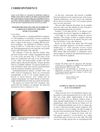
January 2005 in “Pediatric Dermatology” Methotrexate effectively treated a 2-year-old's generalized pustular psoriasis without side effects.
 21 citations
,
January 2005 in “Pediatric Dermatology”
21 citations
,
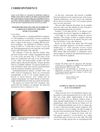
January 2005 in “Pediatric Dermatology” An 8-year-old girl with vitiligo developed extra hair growth on her knee after using tacrolimus ointment.
 16 citations
,
January 2005 in “Pediatric Dermatology”
16 citations
,
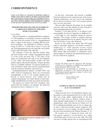
January 2005 in “Pediatric Dermatology” A 10-year-old girl with Fox Fordyce disease improved with treatment, suggesting the disease can occur before puberty and might be underdiagnosed in young girls.
 14 citations
,
January 2005 in “Pediatric Dermatology”
14 citations
,
January 2005 in “Pediatric Dermatology” UVA1-light therapy successfully treated a child's skin condition, mycosis fungoides.
 12 citations
,
January 2005 in “Pediatric Dermatology”
12 citations
,
January 2005 in “Pediatric Dermatology” Fox Fordyce disease might be more common in prepubertal girls than thought and can be managed with treatment.
 10 citations
,
March 1990 in “The Journal of Dermatology”
10 citations
,
March 1990 in “The Journal of Dermatology” Long-term etretinate use may cause delayed wound healing and extra tissue growth after injury.