 March 2024 in “Tropical Journal of Natural Product Research”
 Many people in Fez-Meknes use potentially toxic plants for various health and cosmetic purposes, but more research is needed to ensure their safety.
 March 2024 in “Journal of medicinal plants studies”
 Hibiscus has medicinal benefits but can be toxic in high doses and is unsafe for pregnant women and infants.
 January 2024 in “International Journal of Research Publication and Reviews”
 The herbal hair serum with rosemary, hibiscus, and neem is safe and effective for hair care.
 January 2024 in “Indian Journal of Animal Research”
 Nerium oleander leaf extract effectively kills scabies mites in rabbits.
 January 2024 in “Journal of Applied Pharmaceutical Science”
 Procyanidin B2 and leucopelargonidin from Saraca asoca may help treat PCOS by balancing hormones.
 October 2023 in “International journal of research in Ayurveda and pharmacy”
 Keedari thailam is effective for treating alopecia areata and has multiple health benefits.
 October 2023 in “Cognizance journal”
 The document suggests using natural remedies like bloodletting and honey for various health issues but lacks scientific evidence for their effectiveness.
 September 2023 in “International Research Journal of Modernization in Engineering Technology and Science”
 Nutraceuticals help prevent diseases and improve health and skin.
 January 2023 in “International Journal for Research in Applied Science and Engineering Technology”
 Herbs like Tea Tree Oil and Aloe Vera could be safer, more conditioning antidandruff alternatives to synthetic products.
 December 2022 in “theses.fr (ABES)”
 Microplastics in the Lebanese Mediterranean carry harmful pollutants, posing environmental and health risks.

Fetal environments contain various chemicals that may disrupt hormones.
 April 2022 in “JOURNAL OF RESEARCH AND REVIEW IN SCIENCE”
 African plants may help treat cancer by boosting immunity and protecting cells.
 January 2022 in “Dermatology Review”
 Higher IL-31 levels are linked to worse itching in chronic kidney disease patients.
A mange outbreak nearly wiped out vicuña and guanaco populations in San Guillermo National Park.

Wild African goats have genetic adaptations for surviving harsh desert conditions.
 June 2021 in “Journal of emerging technologies and innovative research”
 Onion and Aloe vera can help protect hair from damage caused by hair dyes.
 January 2020 in “Journal of Pharmacognosy and Phytochemistry”
 The VCO-based herbal hair tonic is effective, safe for hair loss treatment, and can be mass-produced.
The document is a detailed guide on skin conditions and treatments for dermatologists.

 November 2017 in “Asian journal of pharmaceutical and clinical research”
 Three compounds from Dadap leaves may help treat hair loss.
 August 2017 in “Indian journal of history of science”
 The manuscript "Strīvilāsa" offers ancient Ayurvedic knowledge on women's health, beauty treatments, and reproductive care.
 April 2017 in “Journal of Investigative Dermatology”
 The BMP/Smads pathway and Id2 gene control hair follicle stem cells, affecting their rest and growth phases.
 April 2017 in “Journal of Investigative Dermatology”
 Cow milk sugars increase fat production and inflammation in skin oil cells.
 April 2017 in “Journal of Investigative Dermatology”
 Triptolide effectively and safely reduces actinic keratosis lesions in mice.
 April 2017 in “Journal of Investigative Dermatology”
 Scientists created a tiny, 3D model of a hair follicle that grows and acts like a real one.
 April 2017 in “Journal of Investigative Dermatology”
 A boy with Oculodentodigital syndrome had a unique GJA1 gene mutation causing his symptoms.
 March 2017 in “De Gruyter eBooks”
 The Leechbook shows how hair and sexual health were key to medieval masculinity and some remedies may still be useful.
 January 2017 in “Springer eBooks”
 Over 40% of postmenopausal women experience hair loss, with treatments aiming to stop further loss and possibly thicken hair.
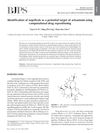 January 2017 in “Brazilian Journal of Pharmaceutical Sciences”
 Arteannuin might work against cancer and Alzheimer's by targeting neprilysin.
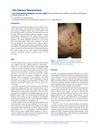 October 2016 in “Elsevier eBooks”
 Common noncancerous skin diseases have various treatments, including topical applications, light therapy, surgery, and medications, with psychological support being important.