 May 2014 in “Annals of Plastic Surgery”
 The book is highly praised as an essential resource for plastic surgeons, despite minor gaps.
 January 2012 in “heiDOK (Heidelberg University)”
 Dormant melanoma cells in mice interact minimally with memory T cells due to a suppressive tumor environment.
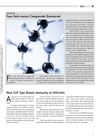 December 2011 in “Asia-Pacific biotech news”
 In 2011, there were major scientific breakthroughs in cancer treatment, immunity, Parkinson's, virus simulation, schizophrenia, hair growth, lung cancer, and medical grafts.
 January 2009 in “Springer eBooks”
 The document concludes that treating skin conditions should include psychological care and a multidisciplinary approach is essential for effective management.
 June 2001 in “Journal of The American Academy of Dermatology”
 The exam tested knowledge on various skin-related topics for CME credit.
 September 1998 in “British Journal of Plastic Surgery”
 The document informed plastic surgeons about upcoming educational events worldwide.
 July 1998 in “British Journal of Plastic Surgery”
 Upcoming events and courses in plastic surgery were announced.
 January 1992 in “Side effects of drugs annual”
 Some people have severe allergic reactions to anthelminthic drugs, but these are often due to the parasites, not the drugs.
 January 1989 in “Side effects of drugs annual”
 Some cancer and immune system drugs can cause serious side effects, including heart, lung, nerve, and organ damage, which need careful monitoring and management.
 September 2020 in “International journal of computer science and mobile computing”
 Low-level laser therapy can stimulate hair growth and increase hair density, making it a promising treatment for hair loss.

EFBL offers hidden incisions, faster recovery, and fewer risks, but may raise hairline and cost more.
November 2025 in “Biomedicines” Targeting pyroptosis may offer new treatments for alopecia areata, but more research is needed.
1 citations
,
January 2010 in “Han-guk hyeonmigyeong hakoeji/Applied microscopy” Straight permed hair loses weight faster than virgin hair when heated, but ends up heavier after burning.
 2 citations
,
November 2025 in “Journal of Ovarian Research”
2 citations
,
November 2025 in “Journal of Ovarian Research” Reducing granulosa cell pyroptosis may improve oocyte maturation in PCOS.
 16 citations
,
August 2015 in “Journal of Experimental & Clinical Cancer Research”
16 citations
,
August 2015 in “Journal of Experimental & Clinical Cancer Research” The photolyase-based device significantly changed the size and heat of potential skin cancer areas in patients.
 January 2024 in “Authorea (Authorea)”
 Using laccase to add poly(tyrosine) to wool makes it less likely to shrink and stronger.
 February 2025 in “Brazilian Journal of Hair Health”
 The Brazilian candle flame technique can damage hair by melting the cuticle and exposing the cortex.
6 citations
,
May 2022 in “Journal of Organometallic Chemistry” The process efficiently converts α-pinene oxide to campholenic aldehyde using a special catalyst, achieving high yields quickly.
 40 citations
,
October 2009 in “Journal of Biomedical Nanotechnology”
40 citations
,
October 2009 in “Journal of Biomedical Nanotechnology” Pyrene excimer nucleic acid probes are promising for detecting biomolecules accurately with potential for biological research and drug screening.
2 citations
,
March 2018 in “ACS Sustainable Chemistry & Engineering” Heating human hair creates hollow microtubes with smooth surfaces.
 2 citations
,
January 2023 in “Bioresource Technology Reports”
2 citations
,
January 2023 in “Bioresource Technology Reports” Enzymes can release hydrocarbons from Botryococcus braunii without harming cells, suggesting potential for continuous extraction.
 11 citations
,
April 2021 in “Advanced synthesis & catalysis”
11 citations
,
April 2021 in “Advanced synthesis & catalysis” PXX is an effective and affordable photocatalyst for creating new chemical bonds in organic synthesis.
January 2005 in “Industrial Catalysis” The process effectively regenerates the Pd/C catalyst for finasteride synthesis.
May 2010 in “Europe PMC (PubMed Central)” Near-infrared probes can safely and effectively image cysteine protease activity for disease diagnosis.
2 citations
,
October 2018 in “Journal of Mind and Medical Sciences” A new method effectively detects toxic pyrrolizidine alkaloids in honey and flour.
March 2026 in “Drug Testing and Analysis” PTeCA is a reliable marker for detecting oxidative hair treatments.
 June 1998 in “Plastic and Reconstructive Surgery”
 Facial proportion is important in hair restoration surgery.
 October 2020 in “Misr journal of agricultural engineering”
 Drying pomegranate peel is profitable and useful for various industries.
116 citations
,
April 2022 in “Science Translational Medicine” The EG7 foam dressing improved wound healing and reduced inflammation better than other treatments.
66 citations
,
January 1987 in “Journal of Investigative Dermatology” Coal tar shampoo increases enzyme activity in hair follicles, enhancing carcinogen binding to DNA.