166 citations
,
July 1999 in “American Journal Of Pathology” The hairless (hr) gene is essential for normal hair follicle function and its mutation leads to hair loss.
April 2017 in “Journal of Investigative Dermatology” Reduced Stx17 expression may contribute to Alopecia Areata.
33 citations
,
February 2012 in “British Journal of Dermatology” Mutations in the p63 gene affect skin adhesion, barrier integrity, and hair growth.
88 citations
,
June 2000 in “Journal of Investigative Dermatology” Keratin 17 is important for hair and nail structure and affects pachyonychia congenita symptoms.
 1 citations
,
September 2017
1 citations
,
September 2017 C-scores can help predict gain-of-function and loss-of-function mutations.
7 citations
,
April 2004 in “International Journal of Dermatology” The newborn's skin blistering is due to a genetic condition called epidermolytic hyperkeratosis.
1 citations
,
April 2015 in “InTech eBooks” RAGE is a potential target for melanoma treatment, but its effectiveness is uncertain due to variable expression levels.
 57 citations
,
November 2006 in “International Journal of Cancer”
57 citations
,
November 2006 in “International Journal of Cancer” A49T gene variant linked to higher prostate cancer risk, lower hormone levels, and slightly reduced balding risk.
24 citations
,
October 2019 in “Genes” A new sheep gene, KRTAP36-1, may help breed sheep with better wool by reducing prickle factor.
 1 citations
,
June 2022 in “Experimental dermatology”
1 citations
,
June 2022 in “Experimental dermatology” The SHJH hr mice with a mutated Hr gene show signs of faster skin aging due to poor antioxidative protection.
January 2007 in “Journal of Southwest University” The ND1 gene of the Asian black bear Sichuan subspecies is similar to other bear species.
 4 citations
,
December 2013 in “British Journal of Dermatology”
4 citations
,
December 2013 in “British Journal of Dermatology” ESR2 gene linked to female-pattern hair loss.
7 citations
,
August 2008 in “Immunogenetics” A gene mutation in mice causes increased mast cells and disorganized hair follicles in their skin.
 169 citations
,
May 2006 in “Genes & Development”
169 citations
,
May 2006 in “Genes & Development” Keratin 17 is crucial for normal hair growth by regulating hair cycle transitions with TNFα.
 65 citations
,
September 2010 in “Journal of the Neurological Sciences”
65 citations
,
September 2010 in “Journal of the Neurological Sciences” Kennedy's disease leads to muscle weakness and sensory issues, has no cure but manageable symptoms, and future treatments look promising.
18 citations
,
June 2018 in “Journal of Dental Research” Msx2 is essential for proper enamel formation by preventing abnormal cell transformation.
August 2009 in “Mechanisms of Development” 238 citations
,
May 1989 in “Journal of Investigative Dermatology”  17 citations
,
November 2012 in “Journal of Investigative Dermatology”
17 citations
,
November 2012 in “Journal of Investigative Dermatology” The document concludes that over 500 genes are linked to hair disorders and this knowledge is important for creating new treatments.
 9 citations
,
July 2022 in “EMBO molecular medicine”
9 citations
,
July 2022 in “EMBO molecular medicine” Blocking certain immune signals can reduce skin damage from radiation therapy.
 2 citations
,
October 2022 in “British journal of haematology”
2 citations
,
October 2022 in “British journal of haematology” A girl with Evans' syndrome had her low platelet count successfully treated with zanubrutinib.
20 citations
,
March 2021 in “Cancers” Certain genetic variants increase the risk of aggressive prostate cancer.
15 citations
,
June 2020 in “The journal of investigative dermatology/Journal of investigative dermatology” Mice with extra human KLK14 had hair and skin problems, including weaker cell bonds and inflammation, linked to Netherton syndrome.
1 citations
,
September 2023 in “Animals” A new goat gene affects cashmere fiber thickness; certain variations can make the fibers coarser.
 28 citations
,
November 2018 in “Journal of Cellular and Molecular Medicine”
28 citations
,
November 2018 in “Journal of Cellular and Molecular Medicine” CXXC5 is a protein that controls cell growth and healing processes, and changes in its activity can lead to diseases like cancer and hair loss.
 May 2015 in “Journal of Investigative Dermatology”
 Melanoma risk tools need improvement, a gene mutation causes a hair disorder that might be treated by managing cell stress, a potential therapy for a skin-ear disorder involves blocking cell channels, skin wrinkling may indicate lung aging regardless of smoking, and oxidative stress might contribute to common baldness.
 1 citations
,
July 2023 in “Nature communications”
1 citations
,
July 2023 in “Nature communications” MOF controls key genes for skin development by regulating mitochondrial and ciliary functions.
55 citations
,
January 2020 in “Advances in experimental medicine and biology” Vitamin D and its receptor may help prevent skin cancer.
 42 citations
,
December 2016 in “Cell Death & Differentiation”
42 citations
,
December 2016 in “Cell Death & Differentiation” Damaging mitochondrial DNA in mice speeds up aging due to increased reactive oxygen species, not through the p53/p21 pathway.
 2 citations
,
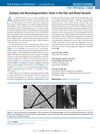
October 2018 in “The journal of pediatrics/The Journal of pediatrics”
2 citations
,
October 2018 in “The journal of pediatrics/The Journal of pediatrics” The document concludes that specific hair and blood vessel abnormalities in infants with seizures and developmental issues may indicate Menkes disease, which lacks a cure and is often fatal by age 3.