September 2021 in “The journal of investigative dermatology/Journal of investigative dermatology” Three genes linked to the development of trichilemmal cysts were found.
 19 citations
,
December 2015 in “Journal of Investigative Dermatology”
19 citations
,
December 2015 in “Journal of Investigative Dermatology” The protein p53 directly reduces the production of Keratin 17, a skin and hair protein, in rats with radiation dermatitis.
 1 citations
,
September 2011 in “Journal of Dermatology”
1 citations
,
September 2011 in “Journal of Dermatology” A woman with a new PTCH gene mutation has both Gorlin syndrome and severe hair loss.
 8 citations
,
October 2019 in “Immunological investigations”
8 citations
,
October 2019 in “Immunological investigations” The AIRE gene variant rs2075876 is linked to a higher risk of alopecia areata in males.
 38 citations
,
February 2012 in “British Journal of Dermatology”
38 citations
,
February 2012 in “British Journal of Dermatology” AR/EDA2R gene linked to early-onset female hair loss, but 20p11 gene not involved.
 April 2016 in “The journal of investigative dermatology/Journal of investigative dermatology”
 MPZL3 is crucial for seborrheic dermatitis development.
33 citations
,
February 2012 in “British Journal of Dermatology” Mutations in the p63 gene affect skin adhesion, barrier integrity, and hair growth.
2 citations
,
July 2021 in “UNC Libraries” Mutations at Val-889 and Arg-752 disrupt key interactions in androgen receptor dimerization.
November 2025 in “Journal of Investigative Dermatology” April 2023 in “Journal of Investigative Dermatology” AL136131.3 slows hair growth by affecting energy processes in hair loss.
 301 citations
,
May 1998 in “Genes & Development”
301 citations
,
May 1998 in “Genes & Development” Ets2 gene is crucial for placental development in mice.
86 citations
,
June 1998 in “Journal of Investigative Dermatology” The hairless gene mutation causes baldness by disrupting hair follicle structure.
November 2020 in “UNC Libraries” Seven new genetic risk areas for prostate cancer were found.
5 citations
,
January 2017 in “Arquivos Brasileiros de Oftalmologia” A rare genetic disorder causes sparse hair and vision loss due to a CDH3 gene mutation.
55 citations
,
April 2008 in “Clinical Genetics” A new mutation in the ST14 gene was found in a patient with ARIH syndrome, showing milder symptoms and no tooth issues.
 1 citations
,
May 2019 in “Journal of pediatric endocrinology & metabolism/Journal of pediatric endocrinology and metabolism”
1 citations
,
May 2019 in “Journal of pediatric endocrinology & metabolism/Journal of pediatric endocrinology and metabolism” Intravenous calcium therapy is a safe and effective treatment for a rare type of rickets.
109 citations
,
February 2018 in “CB/Current biology” ERULUS controls root hair growth by regulating cell wall composition and pectin activity.
15 citations
,
September 2018 in “Frontiers in Plant Science” BcFLA1 protein is crucial for root hair growth in response to low phosphate in Brassica carinata.
 3 citations
,
July 2021 in “Life science alliance”
3 citations
,
July 2021 in “Life science alliance” PNKP is essential for keeping adult mouse progenitor cells healthy and growing normally.
3 citations
,
May 2016 in “Dermatopathology” Lrig1 could be a marker for advanced sebaceous carcinoma.
 64 citations
,
November 2012 in “EMBO reports”
64 citations
,
November 2012 in “EMBO reports” Lamins are vital for cell survival, organ development, and preventing premature aging.
1 citations
,
November 2023 in “SKIN The Journal of Cutaneous Medicine” A rare genetic mutation causes severe immune issues, hair loss, and nail problems.
54 citations
,
January 1995 in “Human Molecular Genetics” Monilethrix is linked to a gene cluster on chromosome 12.
 September 2023 in “HAL (Le Centre pour la Communication Scientifique Directe)”
 Peptide nanoparticles can effectively deliver CRISPR-Cas9 to target KRAS mutations in cancer.
 1 citations
,
June 2022 in “Curēus”
1 citations
,
June 2022 in “Curēus” Early detection and multidisciplinary treatment are crucial for managing Papillon-Lefévre syndrome.
 February 2017 in “Cancer Causes & Control”
 Swedish men with the E213 A-allele of the androgen receptor have a lower risk of prostate cancer.
June 2025 in “Molecular Genetics & Genomic Medicine” Severe genetic variants in children with a specific adrenal condition match predicted symptoms well, but milder variants do not.
March 2026 in “SKIN The Journal of Cutaneous Medicine” Ritlecitinib is being tested for safety and effectiveness in young children with severe alopecia areata.
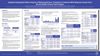 July 2025 in “SKIN The Journal of Cutaneous Medicine”
 Ritlecitinib is generally safe for alopecia areata patients over 72 months.