 127 citations
,
January 2015 in “Journal of Biological Rhythms”
127 citations
,
January 2015 in “Journal of Biological Rhythms” The skin's internal clock affects healing, cancer risk, aging, immunity, and hair growth, and disruptions can harm skin health.
114 citations
,
October 2017 in “American journal of clinical dermatology” Adequate vitamin D is crucial for skin health and should be considered in dermatology.
 20 citations
,
September 2016 in “Journal der Deutschen Dermatologischen Gesellschaft”
20 citations
,
September 2016 in “Journal der Deutschen Dermatologischen Gesellschaft” Germany recognizes skin cancer from UV exposure as an occupational disease, emphasizing prevention and care for affected workers.
 99 citations
,
June 2005 in “Journal of Cosmetic Dermatology”
99 citations
,
June 2005 in “Journal of Cosmetic Dermatology” Hair ages due to genetics and environmental factors, leading to graying and thinning, with treatments available for some conditions.
10 citations
,
May 2021 in “Clinical, cosmetic and investigational dermatology” UV exposure causes hair thinning, graying, and changes in hair growth cycles in mice.
10 citations
,
January 2015 in “Current problems in dermatology” Gentle hair care and avoiding harsh treatments can help manage hair loss.
8 citations
,
November 2020 in “Journal of Cosmetic Dermatology” The ingredients may help prevent hair loss and aging by boosting hair growth signals and reducing stress and hormone effects.
 1 citations
,
July 2022 in “International Journal of Environmental Research and Public Health”
1 citations
,
July 2022 in “International Journal of Environmental Research and Public Health” In Poland, people search more for certain skin conditions depending on the season, and despite more STD infections, searches for them have decreased, suggesting a need for better sexual education.
1 citations
,
June 2021 in “bioRxiv (Cold Spring Harbor Laboratory)” UV exposure harms skin by causing fibroblast loss, but T cells help fibroblast survival.
 1 citations
,
April 2016 in “CRC Press eBooks”
1 citations
,
April 2016 in “CRC Press eBooks” Skin aging reflects overall body aging and can indicate internal health conditions.
November 2025 in “Journal of Investigative Dermatology” Tanning ability is linked to specific DNA changes in skin genes.
 November 2020 in “Journal of The American Academy of Dermatology”
 Taking vitamin C and vitamin E twice a day can help prevent sunburn and DNA damage from UVB exposure.
 June 2008 in “Experimental dermatology”
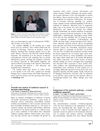
 Melatonin protects skin and hair from damage and stress by acting as an antioxidant and influencing cell growth.
January 2019 in “Figshare” Redheaded people have higher levels of vitamin D precursor, suggesting their hair color may be an adaptation to low sunlight areas.
January 2014 in “한국미용학회지” UV-A radiation significantly damages semi-permanent dyed hair.
January 2011 in “Junshi yixue” Longer exposure to high-power millimeter wave radiation causes more severe skin damage in mice.
Different types of sun exposure damage skin cells and immune cells, with chronic exposure leading to more severe and lasting damage.
1 citations
,
January 2010 in “Biophysical journal” Hair fluorescence intensity can measure radiation exposure effectively.
 2 citations
,
May 2020 in “Anais brasileiros de dermatologia/Anais Brasileiros de Dermatologia”
2 citations
,
May 2020 in “Anais brasileiros de dermatologia/Anais Brasileiros de Dermatologia” Primary health care in Florianópolis mostly treated simple skin conditions, while secondary care handled more complex skin diseases.
 January 2017 in “NASA Technical Reports Server (NASA)”
 Early changes in skin gene expression can predict later bone mass loss after radiation exposure.
5 citations
,
September 2019 in “Journal of Biomedical Optics” 1319-nm laser radiation can cause skin damage, with severity depending on exposure time and beam size.
 39 citations
,
December 2011 in “PLoS ONE”
39 citations
,
December 2011 in “PLoS ONE” Radiofrequency exposure can stimulate hair growth by increasing IGF-1 in hair follicle cells.
 5 citations
,
November 2015 in “International Journal of Radiation Biology”
5 citations
,
November 2015 in “International Journal of Radiation Biology” Gamma-ray exposure can cause long-lasting damage to hair follicles, affecting hair structure and color.
24 citations
,
October 2008 in “PubMed” Excessive sun exposure damages hair, causing protein loss and color changes.
13 citations
,
September 2014 in “Journal of photochemistry and photobiology. B, Biology” UV radiation increases protein loss from hair and reduces hair protein quality.
 23 citations
,
March 2019 in “The journal of investigative dermatology/Journal of investigative dermatology”
23 citations
,
March 2019 in “The journal of investigative dermatology/Journal of investigative dermatology” ATP increases melanin production in skin after UV exposure, with the P2X7 receptor being crucial for this process.
2 citations
,
March 2012 in “Hiroshima University Acedemic Information Repository (Hiroshima University)” Kainar syndrome symptoms may be linked to nuclear test exposure effects.
144 citations
,
December 2017 in “Pigment cell & melanoma research” Melasma is now considered a skin aging disorder caused by sun exposure in people with a genetic tendency, which impacts treatment and prevention approaches.
3 citations
,
January 2005 in “Photochemistry and Photobiology” Protein kinase C epsilon may promote skin cancer development after UV exposure by affecting nearby cells.
 November 2016 in “Universiti Putra Malaysia Institutional Repository (Universiti Putra Malaysia)”
 Dendrobium sabin flower extract may help reduce skin aging from UV exposure.