 31 citations
,
January 2007 in “Journal of biological chemistry/The Journal of biological chemistry”
31 citations
,
January 2007 in “Journal of biological chemistry/The Journal of biological chemistry” Stress activates a special function of the Vitamin D receptor with the help of c-Jun, which can also prevent cell death.
 9 citations
,
September 2009 in “Journal of Cutaneous Medicine and Surgery”
9 citations
,
September 2009 in “Journal of Cutaneous Medicine and Surgery” UV light causes skin color loss in bald areas; wear a cap and use sunscreen.
 6 citations
,
December 2010 in “Journal of Cosmetic Dermatology”
6 citations
,
December 2010 in “Journal of Cosmetic Dermatology” Apoptosis may contribute to hair loss in androgenetic alopecia.
 5 citations
,
October 2020 in “Journal of radiation research”
5 citations
,
October 2020 in “Journal of radiation research” Vesicles from irradiated mouse cheek skin help cells survive radiation.
 1 citations
,
May 2006 in “Expert Opinion on Therapeutic Patents”
1 citations
,
May 2006 in “Expert Opinion on Therapeutic Patents” No FDA-approved treatments for chemotherapy-induced hair loss existed in 2006; more research was needed.
 15 citations
,
February 2019 in “Journal of clinical medicine”
15 citations
,
February 2019 in “Journal of clinical medicine” Atorvastatin reversed memory problems caused by cancer drug trastuzumab and improved its cancer-fighting abilities without causing hair loss.
 2 citations
,
March 2013 in “Phytotherapy Research”
2 citations
,
March 2013 in “Phytotherapy Research” Ascorbigen increases hair cell growth in a lab setting but does not prevent hair loss from chemotherapy in mice.
 1 citations
,
April 2025 in “Cureus”
1 citations
,
April 2025 in “Cureus” Dead Sea water and magnetized saline water can protect skin from UVB damage by activating autophagy.
 November 2021 in “Austin therapeutics”
 Current treatments for hair loss from chemotherapy are limited, but new methods are being researched.
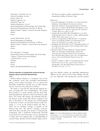 10 citations
,
March 2014 in “International Journal of Dermatology”
10 citations
,
March 2014 in “International Journal of Dermatology” A hand-held dermatoscope helped differentiate between pressure-induced alopecia and alopecia areata in a young patient, who then experienced hair regrowth within a month.
 2 citations
,
August 2019 in “Asian journal of pharmaceutical and clinical research”
2 citations
,
August 2019 in “Asian journal of pharmaceutical and clinical research” Cinnamon bark extract may help prevent weight loss and hair loss in breast cancer patients during chemotherapy and is safe to use.
 January 2024 in “International Journal of Health Science”
 Scalp cooling and low-power light therapy show promise in reducing chemotherapy-induced hair loss but need more research.
 December 2012 in “Journal of Dermatological Science”
 Estrogen increases a growth factor in hair cells which might affect hair loss.
 46 citations
,
March 2015 in “Regeneration”
46 citations
,
March 2015 in “Regeneration” Mice can grow new hair follicles after skin wounds through a process not involving existing hair stem cells, but requiring more research to understand fully.
 11 citations
,
June 2012 in “Archives of Dermatological Research”
11 citations
,
June 2012 in “Archives of Dermatological Research” L-cystine and vitamin B6 at high doses prevented hair loss in mice treated with a chemotherapy drug.
 14 citations
,
January 2014 in “Cells Tissues Organs”
14 citations
,
January 2014 in “Cells Tissues Organs” Ionizing radiation causes irreversible skin damage, with single doses leading to acute injury and hair graying, and fractional doses causing more severe long-term tissue damage.
 162 citations
,
August 2002 in “Survey of Ophthalmology”
162 citations
,
August 2002 in “Survey of Ophthalmology” Latanoprost can make eyelashes longer, thicker, and darker.
 52 citations
,
January 2005 in “International journal of experimental pathology”
52 citations
,
January 2005 in “International journal of experimental pathology” Melatonin may reduce skin damage caused by X-rays in rats.
 26 citations
,
November 2016 in “European Journal of Clinical Pharmacology”
26 citations
,
November 2016 in “European Journal of Clinical Pharmacology” Valproic acid helps delay hair loss and increases survival time for high-grade glioma patients undergoing radiation therapy.
 25 citations
,
September 2014 in “Biological Research”
25 citations
,
September 2014 in “Biological Research” Arctiin helps protect hair cells from damage and death caused by oxidative stress.
 19 citations
,
November 2018 in “Nutrients”
19 citations
,
November 2018 in “Nutrients” Annurca apple extract may protect mouse hair from damage by chemotherapy and could help treat hair loss without promoting cancer growth.
 13 citations
,
June 2020 in “Scientific reports”
13 citations
,
June 2020 in “Scientific reports” Melatonin stimulates the skin components of ram's scrotum during their non-breeding season.
 December 2025 in “Journal of Advanced Biotechnology and Experimental Therapeutics”
 Mesenchymal stem cells may help reduce melanin in UV-exposed mice.
 April 2019 in “Radiotherapy and oncology”
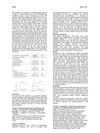
 HPV infection is linked to better survival in advanced anal cancer, higher radiation doses improve survival, especially in HPV-negative patients, and prostaglandin E₂ pretreatment can protect mouse hair follicles from radiation damage.
 38 citations
,
September 2017 in “Oncologist”
38 citations
,
September 2017 in “Oncologist” Scalp cooling can help prevent chemotherapy-induced hair loss with a 50-90% success rate and is safe for patients.
 114 citations
,
January 2007 in “Drug Safety”
114 citations
,
January 2007 in “Drug Safety” Some drugs can cause skin, nail, and hair problems, which are important for healthcare professionals to recognize and report.
 57 citations
,
June 2003 in “American Journal of Physiology-cell Physiology”
57 citations
,
June 2003 in “American Journal of Physiology-cell Physiology” Cyclosporin A helps mice grow hair by blocking a specific protein activity in skin cells.
 34 citations
,
January 2018 in “International Journal of Dermatology”
34 citations
,
January 2018 in “International Journal of Dermatology” Scalp cooling is the most effective FDA-approved method to prevent chemotherapy-induced hair loss, but more research is needed for other treatments.
 21 citations
,
January 2015 in “Oncology Research and Treatment”
21 citations
,
January 2015 in “Oncology Research and Treatment” Scalp cooling can prevent hair loss in 65% of chemotherapy patients, especially effective in breast cancer patients and certain chemotherapy types.
 19 citations
,
October 2011 in “Clinics in Dermatology”
19 citations
,
October 2011 in “Clinics in Dermatology” New chemotherapy drugs cause skin side effects, but treatments like minocycline and tetracycline can help reduce them.