35 citations
,
October 2019 in “Journal of pediatric health care” Children with darker skin tones can have specific skin conditions that need tailored treatments.
 7 citations
,
January 2018 in “Medicinski arhiv”
7 citations
,
January 2018 in “Medicinski arhiv” A herbal extract may help treat certain types of hair loss by reducing a specific gene's activity.
14 citations
,
January 2006 in “Journal of Investigative Dermatology” Transferrin receptor expression increases iron in mouse skin cells without causing damage.
1 citations
,
December 2025 in “Journal of Pharmacology and Experimental Therapeutics” Exosomes show promise in improving skin health and appearance.
1 citations
,
November 2025 in “Journal of Cosmetic Dermatology” CBD might help with skin issues, but more research is needed.
 November 2013 in “Dermatologic Clinics”
 The document summarizes the latest trends and advancements in cosmetic dermatology.
 January 2025 in “PLoS ONE”
 ING5 is crucial for stem cell maintenance and preventing certain cancers.
 30 citations
,
November 1996 in “Archives of Dermatology”
30 citations
,
November 1996 in “Archives of Dermatology” UV rays can cause a type of hair loss known as telogen alopecia.
 12 citations
,
December 2019 in “International Journal of Molecular Medicine”
12 citations
,
December 2019 in “International Journal of Molecular Medicine” Stem cells from umbilical cord blood may prevent hair loss caused by certain medications.
 August 2025 in “Aesthetic Cosmetology and Medicine”
 Blue light can damage hair and scalp, leading to hair loss.
 July 2003 in “Journal of Cutaneous Medicine and Surgery”
 Blood pressure drugs can cause skin lupus, early treatment is key for baby herpes and diabetic foot ulcers, a certain vaccine works against genital herpes and HPV in women, more frequent light therapy helps psoriasis, smoking and drinking can worsen psoriasis, a cream clears up a type of skin cancer, and low iron levels don't cause chronic hair loss.
 July 2003 in “Journal of Cutaneous Medicine and Surgery”
 The document concludes that various treatments for skin conditions are effective, but some require further research, and certain factors like gender and lifestyle can influence disease outcomes.
 July 2003 in “Journal of Cutaneous Medicine and Surgery”
 Some medications can improve skin conditions, while lifestyle factors like smoking and drinking may worsen them; treatments like monoclonal antibodies and imiquimod cream show promise for certain skin diseases.
 12 citations
,
May 2015 in “Molecular Medicine Reports”
12 citations
,
May 2015 in “Molecular Medicine Reports” Troxerutin helps protect skin cells from oxidative stress and may be good for treating hair loss.
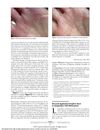 9 citations
,
May 2013 in “JAMA Dermatology”
9 citations
,
May 2013 in “JAMA Dermatology” Sunlight exposure improved a patient's skin condition, and there may be a link between a certain disease and skin growths; a leukemia treatment caused changes in hair color and growth.
 55 citations
,
November 2004 in “Expert opinion on drug safety”
55 citations
,
November 2004 in “Expert opinion on drug safety” Chemotherapy often causes hair loss, nail changes, and mouth issues, but these are usually manageable.
 47 citations
,
January 2003 in “American Journal of Clinical Dermatology”
47 citations
,
January 2003 in “American Journal of Clinical Dermatology” Mood stabilizers can cause serious skin reactions; careful monitoring and immediate treatment are crucial.
 6 citations
,
February 2004 in “Clinical and Experimental Ophthalmology”
6 citations
,
February 2004 in “Clinical and Experimental Ophthalmology” The document concludes that careful diagnosis is crucial for chromosome 13q deletion syndrome, tamoxifen can cause reversible eye damage, finasteride may be linked to cataracts, and OCT is useful for diagnosing macular diseases.
 3 citations
,
October 2007 in “Expert Review of Dermatology”
3 citations
,
October 2007 in “Expert Review of Dermatology” Hair ages due to various factors and treatments like minoxidil and finasteride can help, but more research and better public awareness are needed.

Photobiomodulation effectively improves skin and hair conditions with minimal side effects.
 95 citations
,
February 2018 in “Dermatology and Therapy”
95 citations
,
February 2018 in “Dermatology and Therapy” Nutraceuticals may improve skin health and protect against aging, but more research is needed on their optimal use and possible health risks.
 7 citations
,
June 2024 in “Communications Medicine”
7 citations
,
June 2024 in “Communications Medicine” Spaceflight can harm skin health by altering gene expression, affecting DNA, mitochondria, and skin barriers.
 6 citations
,
January 2011 in “Springer eBooks”
6 citations
,
January 2011 in “Springer eBooks” Nutrition is important for skin health, and changing diet can help prevent and treat skin diseases.
 4 citations
,
January 2018 in “Cancer treatment and research”
4 citations
,
January 2018 in “Cancer treatment and research” The document concludes that systemic therapy is becoming more important in treating head and neck cancer, with new treatments showing promise.
 2 citations
,
July 2014 in “Irish Journal of Medical Science”
2 citations
,
July 2014 in “Irish Journal of Medical Science” The meeting discussed medical findings, including benefits of certain treatments for cancer and heart conditions, and highlighted issues like poor adherence to preventive measures and skill gaps among interns.
 2 citations
,
January 2014 in “Springer eBooks”
2 citations
,
January 2014 in “Springer eBooks” The book details skin conditions in older adults, their link to mental health, cancer treatment importance, hair loss remedies, and managing autoimmune and itchy skin.
 53 citations
,
May 2001 in “The American journal of the medical sciences”
53 citations
,
May 2001 in “The American journal of the medical sciences” Chemotherapy can cause various skin problems, and recognizing them helps improve patient care.
 9 citations
,
March 2011 in “Oxidative stress and disease”
9 citations
,
March 2011 in “Oxidative stress and disease” Some herbal treatments are effective for skin disorders, but more research and regulation are needed.
 40 citations
,
May 2014 in “PLoS ONE”
40 citations
,
May 2014 in “PLoS ONE” Chronic stress can reduce skin pigmentation.
 25 citations
,
February 2014 in “British journal of dermatology/British journal of dermatology, Supplement”
25 citations
,
February 2014 in “British journal of dermatology/British journal of dermatology, Supplement” Intralesional triamcinolone acetonide can regrow hair in alopecia areata but often has temporary effects and side effects.