 1 citations
,
May 2023 in “Frontiers in medicine”
1 citations
,
May 2023 in “Frontiers in medicine” Hair dyes and perms can damage hair and scalp, but using interventions can reduce harm.
 2 citations
,
April 2017 in “Molecular Medicine Reports”
2 citations
,
April 2017 in “Molecular Medicine Reports” Blocking autophagy increases survival of inner ear hair cells exposed to gentamicin.

Abemaciclib can cause skin, hair, and nail problems, leading some patients to stop using it.
52 citations
,
November 2013 in “Journal of Pain and Symptom Management” Cryotherapy helps reduce chemotherapy side effects but needs more research for best use.
 4 citations
,
April 2001 in “European journal of cancer”
4 citations
,
April 2001 in “European journal of cancer” Scalp cooling prevented hair loss in half of the patients, despite significant side effects.
 30 citations
,
July 2017 in “BioEssays”
30 citations
,
July 2017 in “BioEssays” Activating NRF2 might help treat hair disorders by improving antioxidant defenses.
 2 citations
,
August 2019 in “Asian journal of pharmaceutical and clinical research”
2 citations
,
August 2019 in “Asian journal of pharmaceutical and clinical research” Cinnamon bark extract may help prevent weight loss and hair loss in breast cancer patients during chemotherapy and is safe to use.
 February 2026 in “American Journal of Clinical Dermatology”
 Radiotherapy can cause skin fibrosis, which is often overlooked and needs better treatment and evaluation.
 43 citations
,
November 2007 in “Dermatologic Clinics”
43 citations
,
November 2007 in “Dermatologic Clinics” Hair and nail changes can indicate health issues, including cancer and side effects from cancer treatments.
 67 citations
,
May 2010 in “Journal of The American Academy of Dermatology”
67 citations
,
May 2010 in “Journal of The American Academy of Dermatology” Some chemotherapy can cause permanent hair loss.
 38 citations
,
September 2017 in “Oncologist”
38 citations
,
September 2017 in “Oncologist” Scalp cooling can help prevent chemotherapy-induced hair loss with a 50-90% success rate and is safe for patients.
 97 citations
,
September 2006 in “Pharmaceutical Research”
97 citations
,
September 2006 in “Pharmaceutical Research” No treatment fully prevents hair loss from chemotherapy yet.
 November 2021 in “Austin therapeutics”
 Current treatments for hair loss from chemotherapy are limited, but new methods are being researched.
 38 citations
,
February 2012 in “Supportive Care in Cancer”
38 citations
,
February 2012 in “Supportive Care in Cancer” Skin problems like acne, dry skin, and nail and hair changes are common in patients taking EGFR inhibitors.
 3 citations
,
May 1980 in “American Journal of Nursing”
3 citations
,
May 1980 in “American Journal of Nursing” Scalp tourniquets did not significantly prevent hair loss from chemotherapy.
 1 citations
,
September 2024 in “International Journal of Advanced Multidisciplinary Research and Studies”
1 citations
,
September 2024 in “International Journal of Advanced Multidisciplinary Research and Studies” Chemotherapy with carboplatin-paclitaxel causes hair loss in all patients.
 January 2011 in “Springer eBooks”
 Eating a balanced diet with the right vitamins and minerals is important for healthy hair, but too many supplements can be harmful.
 21 citations
,
January 2015 in “Oncology Research and Treatment”
21 citations
,
January 2015 in “Oncology Research and Treatment” Scalp cooling can prevent hair loss in 65% of chemotherapy patients, especially effective in breast cancer patients and certain chemotherapy types.
 May 2025 in “International Journal of Science and Research (IJSR)”
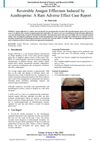
 Stopping azathioprine led to full hair regrowth and recovery in 2.5 months.
 April 2024 in “Lasers in medical science”
 Near-infrared LED light improves skin rejuvenation and hair growth better than white LED light.
 2 citations
,
September 2020 in “International journal of radiology & radiation therapy”
2 citations
,
September 2020 in “International journal of radiology & radiation therapy” Radiotherapy can cause rare changes in hair color, which should be discussed with patients.
 11 citations
,
June 2012 in “Archives of Dermatological Research”
11 citations
,
June 2012 in “Archives of Dermatological Research” L-cystine and vitamin B6 at high doses prevented hair loss in mice treated with a chemotherapy drug.
 1 citations
,
May 2006 in “Expert Opinion on Therapeutic Patents”
1 citations
,
May 2006 in “Expert Opinion on Therapeutic Patents” No FDA-approved treatments for chemotherapy-induced hair loss existed in 2006; more research was needed.
 7 citations
,
October 2019 in “Annals of palliative medicine”
7 citations
,
October 2019 in “Annals of palliative medicine” New targeted cancer drugs can cause skin side effects, and managing them requires patient education and timely care.
 100 citations
,
November 1996 in “Molecular Medicine Today”
100 citations
,
November 1996 in “Molecular Medicine Today” Growth factors and cytokines are important for hair growth and could potentially treat hair loss, but more research is needed to overcome challenges before they can be used in treatments.
 70 citations
,
February 2015 in “Expert Opinion on Drug Discovery”
70 citations
,
February 2015 in “Expert Opinion on Drug Discovery” Topical drugs and near-infrared light therapy show potential for treating alopecia.
 18 citations
,
January 1999 in “CNS Drugs”
18 citations
,
January 1999 in “CNS Drugs” Some anticonvulsant drugs can cause skin reactions, ranging from mild to severe, and managing these reactions is important for patient care.
 February 2026 in “ImmunoTargets and Therapy”
 Tumor immunotherapy can cause hair loss by disrupting hair follicle immunity.
 January 2026 in “Frontiers in Pharmacology”
 Sanhuang Fukang oil helps heal radiation skin injuries by reducing inflammation and cell death.
 January 2024 in “International Journal of Health Science”
 Scalp cooling and low-power light therapy show promise in reducing chemotherapy-induced hair loss but need more research.