13 citations
,
February 2025 in “Journal of the European Academy of Dermatology and Venereology” Ritlecitinib shows promise for treating alopecia areata, especially with early and extended treatment.
1 citations
,
September 2023 in “Journal of the American Academy of Dermatology” Ritlecitinib effectively regrows and maintains scalp, eyebrow, and eyelash hair in alopecia areata patients.
5 citations
,
February 2025 in “Pediatric Dermatology” Ritlecitinib was generally well tolerated in children with alopecia areata.
 July 2008 in “Biomedical Imaging and Intervention Journal”
 New cancer treatments are more precise and less toxic, improving survival rates, but Asia faces challenges in adopting these advancements.
January 2026 in “JCEM Case Reports” A woman with hypothyroidism developed an allergy to IV levothyroxine after being resistant to oral forms.
 8 citations
,
January 2009 in “Journal of pediatric endocrinology & metabolism/Journal of pediatric endocrinology and metabolism”
8 citations
,
January 2009 in “Journal of pediatric endocrinology & metabolism/Journal of pediatric endocrinology and metabolism” A specific thyroid hormone resistance mutation may be linked to different types of hair loss.
September 2025 in “Journal of the American Academy of Dermatology” Ritlecitinib may help treat alopecia areata by protecting hair follicles.
 January 2026 in “Zenodo (CERN European Organization for Nuclear Research)”
 The thyroid nodule was benign, and surgery was successful with a smooth recovery.
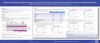 November 2024 in “SKIN The Journal of Cutaneous Medicine”
 Ritlecitinib effectively promotes hair regrowth in severe and very severe alopecia areata.
July 2023 in “SKIN The Journal of Cutaneous Medicine” Continued ritlecitinib treatment can improve hair regrowth in some alopecia areata patients who initially don't respond.
1 citations
,
August 2024 in “British Journal of Dermatology” Ritlecitinib effectively promotes hair regrowth in alopecia areata patients, even with extensive hair loss.
 April 2022 in “Anti-cancer agents in medicinal chemistry”
 Some existing medicines show promise as safe treatments to protect against the side effects of radiation therapy.
July 2021 in “Plastic and reconstructive surgery. Global open” Radiation therapy in breast cancer patients changes gene expression related to DNA damage, fibroblast growth, and hair follicle development, which could help improve treatment for radiation-induced fibrosis.
 June 2025 in “BMJ Case Reports”
 Axitinib treatment turned a man's grey hair back to black.
6 citations
,
March 2024 in “SKIN The Journal of Cutaneous Medicine” Ritlecitinib is effective for long-term treatment of severe alopecia areata.
19 citations
,
June 1997 in “The Journal of Clinical Endocrinology & Metabolism” The treatment successfully lowered testosterone levels and reduced symptoms.
 7 citations
,
July 2020 in “Pigment cell & melanoma research”
7 citations
,
July 2020 in “Pigment cell & melanoma research” RT1640 treatment reverses gray hair and promotes hair growth in mice.
 5 citations
,
June 2001 in “Annals of Internal Medicine”
5 citations
,
June 2001 in “Annals of Internal Medicine” Rituximab effectively treated a woman's bone lymphoma that was resistant to other treatments.
 October 2024 in “Journal of the European Academy of Dermatology and Venereology”
 Ritlecitinib and baricitinib are similarly effective for hair regrowth in severe alopecia areata.
 1 citations
,
July 2025 in “SKIN The Journal of Cutaneous Medicine”
1 citations
,
July 2025 in “SKIN The Journal of Cutaneous Medicine” Ritlecitinib is effective and safe for long-term treatment of alopecia areata.
36 citations
,
June 2016 in “Journal of dermatological treatment” The combination therapy significantly improved Riehl’s melanosis in patients without serious side effects.
April 2006 in “Pediatrics in Review” Graves disease is the main cause of hyperthyroidism in kids, especially girls aged 11-15, and requires lifelong follow-up.
 65 citations
,
February 2015 in “Neuro-Oncology”
65 citations
,
February 2015 in “Neuro-Oncology” Alisertib was found to be an effective and tolerable treatment for children with recurrent brain tumors.
 9 citations
,
August 2019 in “Clinical genitourinary cancer”
9 citations
,
August 2019 in “Clinical genitourinary cancer” Taking 5-Alpha Reductase Inhibitors before bladder removal surgery might make high-grade bladder tumors less aggressive.
 2 citations
,
July 2014 in “Our Dermatology Online”
2 citations
,
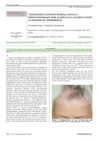
July 2014 in “Our Dermatology Online” Contact immunotherapy can cause vitiligo in patients with autoimmune conditions.
November 2023 in “SKIN The Journal of Cutaneous Medicine” May 2025 in “Journal of the ASEAN Federation of Endocrine Societies” Early advanced therapies are crucial for better survival in aggressive insulinoma cases.
4 citations
,
March 2025 in “The Journal of Dermatology” Ritlecitinib is effective and safe for hair regrowth in Asian patients with alopecia areata.
 June 2025 in “Journal of Biochemistry International”
 Early diagnosis and treatment of iodine deficiency in buffalo calves is crucial for their healthy growth.
 July 2025 in “Journal of Cosmetic Dermatology”
 Alternative treatments are needed when Tofacitinib alone fails for alopecia areata.