13 citations
,
August 2000 in “Blood” Measuring minimal residual disease on day 15 helps identify high-risk leukemia patients.
![The Synthesis of (−)-4-Methyl-8-Chloro-Trans-1,2,3,4,4a,5,6,10b-Octahydrobenzo-[f]-Quinolin-3-One-[3-14C] (LY300502-14C) via a Circuitous Route](/images/assets/73bab8dc-bdf0-45e3-8ef7-73d0d4b93cb1/small/21074.jpg) 3 citations
,
October 1994 in “Journal of Labelled Compounds and Radiopharmaceuticals”
3 citations
,
October 1994 in “Journal of Labelled Compounds and Radiopharmaceuticals” Scientists made a carbon-14 labeled version of a drug with a 48% yield and over 99% purity.
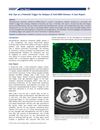 November 2025 in “Indian Journal of Nephrology”
 Hair dye may trigger anti-GBM disease relapse, and rituximab can help manage it.
December 2025 in “Current Issues in Molecular Biology” Cytarabine can cause multiple organ toxicities, especially neurotoxicity, but better research methods are needed to fully understand and predict these effects.
Ayurvedic herbs may reduce side effects and improve effectiveness of cancer treatments.
 June 2018 in “Reactions Weekly”
 A 65-year-old man developed a serious skin cancer linked to a drug he was taking for a fungal infection after a bone marrow transplant.
4 citations
,
January 2011 in “International Journal of Clinical Medicine” Patients with metastatic breast cancer treated with epirubicin and docetaxel had a good response and maintained their quality of life.
3 citations
,
May 1963 in “Radiology” Thallium poisoning can be identified through radiological signs and treated effectively with B.A.L.
June 2022 in “Zenodo (CERN European Organization for Nuclear Research)” A holistic treatment method effectively treated alopecia totalis without major side effects.
 August 2025 in “Tropical Journal of Natural Product Research”
 The combination of mint and Aloe vera serum may help reduce hair loss from chemotherapy.
December 2025 in “Biomolecules” Compound 7p shows strong potential as an anticancer agent.
 August 1978 in “Dicp-The annals of pharmacotherapy”
 Mannitol diuresis allows higher doses of cis-platinum for testicular cancer treatment without increasing kidney damage.
10 citations
,
December 2023 in “International Journal of Nanomedicine” Cell membrane-coated nanoparticles could improve gene therapy by enhancing delivery and targeting of nucleic acids.
26 citations
,
October 2019 in “JNCI Cancer Spectrum” Talazoparib is more effective than standard chemotherapy for advanced breast cancer with BRCA mutations.
September 2025 in “Blood Advances” Targeting androgen receptor signaling may improve acute myeloid leukemia treatment.
64 citations
,
March 2004 in “Journal of Clinical Investigation” Targeting ornithine decarboxylase can help prevent skin cancer.
 October 2015 in “Elsevier eBooks”
 Aldesleukin can treat certain cancers and increase HIV patient CD4+ counts but often causes severe side effects.
Hair transplant is effective for treating hair loss caused by radiation and improves patients' quality of life.
Fenugreek seeds and Butea monosperma flowers may help reduce hair loss from chemotherapy.
22 citations
,
September 1986 in “Journal of Investigative Dermatology” Low-dose topical alpha-terthienyl may be a safer option for treating skin conditions with light therapy.
March 2022 in “Proceeding Of Sari Mulia University Midwifery National Seminars” Garlic may help reduce side effects of breast cancer treatments.
32 citations
,
September 2013 in “Breast cancer research” A specific gene variant is linked to a higher risk of hair loss from chemotherapy in breast cancer patients.
December 2025 in “Chemical Engineering Journal”  April 2015 in “Andrology”
 HNG may help prevent the negative effects of chemotherapy on sperm production and white blood cell counts.
 May 2015 in “Journal of The American Academy of Dermatology”
 Povidone-iodine nail solution effectively treats nail infections caused by chemotherapy.
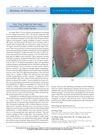 35 citations
,
May 2008 in “Journal of Clinical Oncology”
35 citations
,
May 2008 in “Journal of Clinical Oncology” A cancer patient died from a severe skin reaction after taking the drug cetuximab.
 May 2012 in “Journal of Clinical Oncology”
 Taking 5-alpha reductase inhibitors might be linked to breast cancer in men.
 January 2016 in “대한피부과학회지”
 Bortezomib chemotherapy can cause temporary skin rashes.
39 citations
,
August 2022 in “Pharmaceutics” Combining letrozole and quercetin in spanlastics may improve breast cancer treatment.
 9 citations
,
May 2019 in “Vestnik dermatologii i venerologii”
9 citations
,
May 2019 in “Vestnik dermatologii i venerologii” The method could improve vitiligo treatment by effectively delivering therapy to hair follicles.