 January 2022 in “Galenika Medical Journal”
 Medications improve quality of life for men with lower urinary tract symptoms.
 December 2020 in “Jurnal Wiyata: Penelitian Sains dan Kesehatan”
 Aloe vera peel extract gel helps speed up the healing of minor burns in rabbits.
 January 2020 in “Revista da Sociedade Portuguesa de Dermatologia e Venereologia”
 Frontal fibrosing alopecia in Brazil mostly affects postmenopausal women, often linked with hypothyroidism and eyebrow hair loss.
Long bean leaf juice significantly promotes hair growth.
 January 2019 in “Przegląd Dermatologiczny”
 Chemotherapy with docetaxel can cause painful nail and skin side effects that may lead to stopping treatment.
 August 2018 in “SDÜ SAĞLIK BİLİMLERİ DERGİSİ”
 No method fully prevents hair loss from chemotherapy, but some methods can reduce it and improve quality of life.
Alopecia Areata is treated with drugs and therapies to reduce inflammation and immune response.

Early NAS level changes affect alcohol consumption vulnerability.
 January 2018 in “Skin appendage disorders”
 The document focused on hair disorders, especially alopecia, and discussed treatments and impacts on quality of life.
 January 2017 in “Dermatology Review”
 Skin issues from chronic graft-versus-host disease greatly affect daily life, needing teamwork between blood and skin doctors.
 February 2016 in “Online journal of biological sciences”
 Henna and honey improved burn healing and hair growth in rabbits.
 February 2015 in “Jurnal e-Biomedik”
 Aloe vera extract speeds up wound healing in rabbits.
 January 2015 in “Our Dermatology Online”
 Intralesional triamcinolone is the most effective treatment for hair regrowth in alopecia areata patients.
 January 2015 in “Przegla̧d dermatologiczny”
 308 nm excimer light therapy may help hair regrowth in alopecia areata with delayed results and no serious side effects.
 January 2015 in “Przegla̧d dermatologiczny”
 Intralesional triamcinolone is the most effective treatment for alopecia areata, followed by excimer light therapy, and then topical minoxidil. The scalp responds better to treatment than the beard area.
 July 2012 in “Ubaya Repository (University of Surabaya)”
 The gel and tonic were not stable.
 January 2009 in “Springer eBooks”
 The document concludes that managing skin conditions during pregnancy is important and requires specialized care.
November 2023 in “Biomolecules” The research showed that Vitamin D and its receptor are important for healthy bones and normal hair and skin in rats.
 December 2017 in “Elsevier eBooks”
 The vitamin D receptor helps maintain hair and bone health even without binding vitamin D.
Vitamin D receptor actions without binding are crucial for healthy skin and hair.
 October 2022 in “International journal of Ayurvedic medicine”
 Karaviradya taila reduces hair growth and hair follicles.
 10 citations
,
February 2008 in “Photochemistry and photobiology”
10 citations
,
February 2008 in “Photochemistry and photobiology” Vitamin D receptor can control the hairless gene linked to hair loss even without vitamin D.
 October 2004 in “Radiotherapy and oncology”
 Active vitamin D3 might protect hair follicles from radiation damage.
 May 2026 in “International Research Journal of Ayurveda & Yoga”
 Certain physical traits can lead to health issues and need ongoing management.
35 citations
,
September 1972 in “Journal of Biological Chemistry” Steroid hormone binding in rat skin varies with pH, heat, and hair cycle phases.
 14 citations
,
November 2005 in “Life sciences”
14 citations
,
November 2005 in “Life sciences” Vitamin D3 may protect rat hair follicles from radiation damage.
January 2025 in “International Journal of Molecular Sciences” Non-liganded Vitamin D Receptor is crucial for healthy skin and hair.
47 citations
,
September 2002 in “Journal of Bone and Mineral Research” A mutation in the vitamin D receptor causes severe resistance to vitamin D, affecting bone health but not hair growth.
 January 2023 in “PARIPEX INDIAN JOURNAL OF RESEARCH”
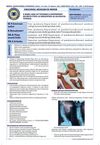
 Vitamin D Dependent Rickets Type-2A can cause complete hair loss and bone growth issues in infants.
 28 citations
,
January 2012 in “Biological & pharmaceutical bulletin”
28 citations
,
January 2012 in “Biological & pharmaceutical bulletin” Hairless protein can both repress and activate vitamin D receptor functions, affecting gene regulation.