Lhx2 helps retinal cells respond to signals for eye development.
2 citations
,
November 2004 in “Blood” RXRa is crucial for Th2 immune cell development and may link nutrition to immune health.
January 1993 in “Claves de razón práctica” ROR2 is crucial for hair follicle stem cell maintenance and self-renewal.
26 citations
,
September 1999 in “Canadian Journal of Botany” The RHD4 gene is crucial for consistent root hair growth in Arabidopsis thaliana.
September 2019 in “The journal of investigative dermatology/Journal of investigative dermatology” New RIPK4 gene mutations were found to cause a type of skin and limb birth defect.
 39 citations
,
April 2018 in “Hormones”
39 citations
,
April 2018 in “Hormones” No consistent link between genotype and phenotype in 5-α-Reductase type 2 deficiency.
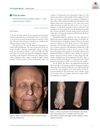 March 2019 in “Journal der Deutschen Dermatologischen Gesellschaft”
 Rothmund-Thomson syndrome type 2 can cause chronic, poorly healing wounds.
12 citations
,
September 2014 in “Bone” A vitamin D receptor mutation causes rickets and affects immune responses.
37 citations
,
October 2006 in “Archives of Biochemistry and Biophysics” A unique gene mutation causes vitamin D-resistant rickets without causing hair loss.
 April 2024 in “Communications biology”
 Enzymes involved in Vitamin A metabolism affect hair growth and type in mice.
 47 citations
,
June 2019 in “Nature Communications”
47 citations
,
June 2019 in “Nature Communications” Noncoding dsRNA boosts hair growth by activating TLR3 and increasing retinoic acid.
48 citations
,
January 2011 in “Neuropharmacology” Isolation stress in rats reduces brain enzyme levels, affecting dopamine function.
54 citations
,
May 2015 in “Endocrinology” Manipulating 5α-reductase type 2 can affect liver fat production and glucocorticoid effects.
11 citations
,
July 2010 in “European Journal of Dermatology” The condition is linked to chromosome 12, but no mutations were found in the known genes.
 3 citations
,
August 2021 in “Research Square (Research Square)”
3 citations
,
August 2021 in “Research Square (Research Square)” The most common sign of aging at the gene level is more Ectodysplasin A2 Receptor (EDA2R) being made.
 24 citations
,
August 2017 in “Prostaglandins & Other Lipid Mediators”
24 citations
,
August 2017 in “Prostaglandins & Other Lipid Mediators” CRTH2 antagonists might be useful for treating many conditions because they play a role in immune and inflammation responses.
Lhx2 is essential for effective Sonic Hedgehog signaling in early retinal development.
50 citations
,
February 2004 in “Genomics” A gene mutation causes lanceolate hair in rats by disrupting hair shaft integrity.
 17 citations
,
August 2012 in “Journal of Medical Genetics”
17 citations
,
August 2012 in “Journal of Medical Genetics” A new mutation in the XEDAR gene might cause a rare skin condition called hypohidrotic ectodermal dysplasia.
64 citations
,
March 2004 in “The journal of investigative dermatology/Journal of investigative dermatology” GPRC5D is linked to the formation of hair, nails, and certain tongue areas.
January 2008 in “HAL (Le Centre pour la Communication Scientifique Directe)” The mutant HR bmh protein affects hair follicle formation by failing to repress vitamin D receptor activity.
21 citations
,
January 2006 in “Hormone Research in Paediatrics” A mutation in the VDR gene affects hair cycling without needing ligand binding.
67 citations
,
August 2004 in “Endocrinology” A specific gene mutation causes vitamin D resistance, but certain vitamin D analogs might help.
3 citations
,
February 2018 in “Experimental and Molecular Medicine/Experimental and molecular medicine” A protein called PCBP2 controls the production of a hair growth protein by interacting with its genetic message and is linked to hair loss when this control is disrupted.
107 citations
,
March 2014 in “BoneKEy Reports” Mutations in the vitamin D receptor cause hereditary vitamin D-resistant rickets, leading to poor bone health and requiring high calcium doses for treatment.
 4 citations
,
January 2017 in “Journal of pediatric endocrinology & metabolism/Journal of pediatric endocrinology and metabolism”
4 citations
,
January 2017 in “Journal of pediatric endocrinology & metabolism/Journal of pediatric endocrinology and metabolism” Two different mutations in the vitamin D receptor gene cause different symptoms and responses to treatment in Lebanese patients with hereditary rickets.
 April 2016 in “Journal of Investigative Dermatology”
 Double-stranded RNA activates a pathway that causes a skin protein to be expressed in the wrong place.
6 citations
,
November 2022 in “Antioxidants” OR2AT4 helps reduce aging and cell damage in human skin cells.
January 2009 in “ScholarlyCommons (University of Pennsylvania)” The P133R mutation in AKR1D1 enzyme causes harmful bile acid buildup, explaining related health issues.
50 citations
,
December 2005 in “European Journal of Immunology” RXRα is crucial for proper immune response and links diet to immune function.