January 2022 in “Clinical Cases in Dermatology” The girl's hair loss is due to trichotillomania, which may improve with behavioral therapy or a combination of treatments.
Recognizing bamboo hair helps diagnose Netherton’s syndrome.
January 2015 in “Nasza Dermatologia Online” Monilethrix causes fragile, patchy hair loss.
January 2022 in “Clinical Cases in Dermatology” Early treatment of traction alopecia can reverse hair loss; prevention involves avoiding tight hairstyles.
 May 2016 in “Portuguese National Funding Agency for Science, Research and Technology (RCAAP Project by FCT)” October 2024 in “Skin Research and Technology”
 Pili annulati causes zebra-striped hair but doesn't affect hair strength or quality of life.
13 citations
,
January 2002 in “Clinics in dermatology” A mushroom extract might reduce hair loss and liver damage caused by certain chemotherapy drugs in animals.
4 citations
,
February 2001 in “PubMed” A medication called sodium valproate likely caused a girl's hair to become kinky and dry.
 7 citations
,
August 2016 in “Nursing for Women's Health”
7 citations
,
August 2016 in “Nursing for Women's Health” To prevent and treat Hair-thread tourniquet syndrome in infants, keep a close eye on their limbs, manage maternal hair loss, and educate parents and healthcare providers.
 1 citations
,
October 2012 in “The Journal of Dermatology”
1 citations
,
October 2012 in “The Journal of Dermatology” A Korean girl developed kinky hair without known cause or effective treatment.
 44 citations
,
July 2005 in “Aesthetic Plastic Surgery”
44 citations
,
July 2005 in “Aesthetic Plastic Surgery” Hair transplantation successfully treated a woman's hair loss caused by a tight ponytail.
 4 citations
,
January 2017 in “Annals of Dermatology”
4 citations
,
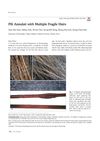
January 2017 in “Annals of Dermatology” Frequent hairdryer use may worsen hair fragility in people with Pili Annulati.
 September 2003 in “Current Paediatrics”
 The document concludes that accurate diagnosis and understanding the type of hair disorder are crucial for treating hair loss in children.
April 2012 in “Development” Rac1 is crucial for normal hair structure and pigmentation.
January 1999 in “대한피부과학회지” Trichotillomania is more common in young females and often linked to stress and psychiatric conditions, with hair loss and increased catagen hair observed.
June 2001 in “European Journal of Dermatology” A 54-year-old woman experienced progressive hair loss starting in adolescence, leading to sparse scalp hair and almost no eyebrows or eyelashes.
February 2025 in “Pediatric Dermatology”  1 citations
,
April 2020 in “Asian Journal of Medicine and Biomedicine”
1 citations
,
April 2020 in “Asian Journal of Medicine and Biomedicine” A child's toe was saved from a rare condition where hair tightly wrapped around it by performing surgery.
 3 citations
,
April 2012 in “Bioinformation”
3 citations
,
April 2012 in “Bioinformation” Two specific SNPs in the TRPS1 gene cause excessive hair growth by altering the protein's structure.
 16 citations
,
May 2003 in “International Journal of Dermatology”
16 citations
,
May 2003 in “International Journal of Dermatology” Trichotillomania, a disorder where people compulsively pull out their own hair, often starts around age 12, is more common in adult females, and can be treated with behavior therapy and medication.
A new mutation in the TRPS1 gene caused Trichorhinophalangeal syndrome in a 17-year-old, highlighting the need for genetic testing.

A young athlete's fragile hair condition improved by cutting hair and using gentle shampoo.
 3 citations
,
July 2021 in “Cutis”
3 citations
,
July 2021 in “Cutis” New military hair rules for women promote inclusivity and prevent hair damage.
4 citations
,
April 2018 in “The journal of pediatrics/The Journal of pediatrics” A 6-year-old girl's inability to grow her hair long was due to Loose Anagen Hair Syndrome, which causes hair to shed easily and may improve with age.
March 2026 in “Zenodo (CERN European Organization for Nuclear Research)” March 2026 in “Zenodo (CERN European Organization for Nuclear Research)”  October 2024 in “International Journal of Molecular Sciences”
 Rosa rugosa extract promotes hair growth and could be a natural treatment for hair loss.
 12 citations
,
May 2023 in “EMBO reports”
12 citations
,
May 2023 in “EMBO reports” High mTORC1 activity slows hair growth and causes it to lose color.
 November 2013 in “International Journal of Medical and Health Sciences”
 Doctors often miss Hair Tourniquet Syndrome, which can lead to serious damage if not treated quickly.
July 2026 in “Indian Journal of Dermatology Venereology and Leprology”