December 2025 in “The Journal of Dermatology” Ritlecitinib effectively reduces hair loss in JAK inhibitor-naïve alopecia areata patients.
 March 2026 in “Journal of Translational Autoimmunity”
 Ruxolitinib helps regrow hair in alopecia areata by blocking inflammation, reducing stress, and controlling cell death.
10 citations
,
July 2016 in “Clinical and translational science” Sorafenib often causes mucositis, hand-foot syndrome, rash, alopecia, diarrhea, and fatigue.
 July 2026 in “Nature Communications”
 Colorectal cancer uses wound-healing processes to spread, suggesting new treatment targets.
5 citations
,
April 1984 in “Archives of Dermatology” Porphyria cutanea tarda causes skin issues due to an enzyme deficiency.
The enzyme Dgat1 is essential for healthy hair and skin by controlling retinoid levels.
 20 citations
,
April 2011 in “British Journal of Dermatology”
20 citations
,
April 2011 in “British Journal of Dermatology” Reflectance confocal microscopy can tell apart white dots on the scalp as either sweat gland ducts or hair follicle openings.
July 2025 in “SKIN The Journal of Cutaneous Medicine” Ritlecitinib effectively improves hair regrowth and physician satisfaction in severe alopecia areata over time.
 12 citations
,
May 2023 in “EMBO reports”
12 citations
,
May 2023 in “EMBO reports” High mTORC1 activity slows hair growth and causes it to lose color.
 January 2023 in “Our Dermatology Online”
 An old recipe called "Champigny Saumure" might help treat a rare scalp condition.
2 citations
,
June 2025 in “Journal of Investigative Dermatology” CD8+ T cells re-expressing CD45RA may predict treatment resistance in severe alopecia areata.
 111 citations
,
November 2007 in “Clinics in Dermatology”
111 citations
,
November 2007 in “Clinics in Dermatology” Psoriasis skin changes are complex and might need several biopsies for a clear diagnosis.
 1 citations
,
June 2020 in “Dermatologic Therapy”
1 citations
,
June 2020 in “Dermatologic Therapy” COVID-19 can cause various skin issues, including rashes and 'COVID toes', and may worsen autoimmune diseases or affect men with baldness more severely.
 20 citations
,
January 2021 in “Plants”
20 citations
,
January 2021 in “Plants” High energy boosts root hair growth in plants, while low energy stops it.
 December 2024 in “Clinical and Experimental Dermatology”
 Switching to ritlecitinib improves hair regrowth and well-being in severe alopecia areata patients.
 September 2016 in “Journal of The American Academy of Dermatology”
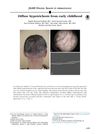
 The girl has a genetic hair condition causing thin hair since childhood.
28 citations
,
December 1999 in “British Journal of Plastic Surgery”  7 citations
,
August 2022 in “Experimental dermatology”
7 citations
,
August 2022 in “Experimental dermatology” Blocking YAP/TAZ could be a new way to treat skin cancer.
August 2025 in “American Journal of Dermatopathology” Accurate diagnosis and personalized treatment are crucial in dermatopathology.
21 citations
,
March 2002 in “Neurology” Dopamine agonists like pramipexole and ropinirole can cause reversible hair loss.
50 citations
,
February 2004 in “Genomics” A gene mutation causes lanceolate hair in rats by disrupting hair shaft integrity.
13 citations
,
April 1994 in “Baillière's clinical endocrinology and metabolism” Some people have genetic mutations that make them resistant to vitamin D, leading to rickets even with enough vitamin D intake.
2 citations
,
January 1989 Tay syndrome is a unique genetic disorder causing skin, hair, and developmental issues.
New cancer drugs can cause skin side effects like rashes, dry skin, hair changes, and nail problems.
 April 2019 in “The journal of investigative dermatology/Journal of investigative dermatology”
 Machine learning can predict how well patients with alopecia areata will respond to certain treatments.
 1 citations
,
July 2018 in “Elsevier eBooks”
1 citations
,
July 2018 in “Elsevier eBooks” Triple horizontal scalp biopsies are 98% accurate in diagnosing hair loss, better than single biopsies.
19 citations
,
May 2022 in “International journal of molecular sciences” PRX01, PRX44, and PRX73 are essential for root hair growth in Arabidopsis thaliana.
15 citations
,
July 2000 in “The journal of investigative dermatology/Journal of investigative dermatology” Fluorescence can effectively measure acne treatment progress.
 4 citations
,
July 2022 in “Veterinary medicine international”
4 citations
,
July 2022 in “Veterinary medicine international” Mange in rabbits is a serious disease that can spread to humans and is treated with medications and supportive care.
97 citations
,
March 2006 in “Journal of Investigative Dermatology” Mutations in the DSG4 gene cause a severe form of brittle hair and skin issues.