27 citations
,
December 1997 in “Archives of Dermatological Research” Rat dermal papilla cells have unique properties and interact differently with their environment compared to other skin cells.
January 2006 in “Zhongguo bijiao yixue zazhi” A new method efficiently isolates and cultures rat hair follicle cells.
 10 citations
,
January 2014 in “BioMed research international”
10 citations
,
January 2014 in “BioMed research international” Rat whisker cells can help turn other cells into nerve cells and might be used to treat brain injuries or diseases.
 1 citations
,
October 2001 in “Journal of Wood Science”
1 citations
,
October 2001 in “Journal of Wood Science” Some extracts from woods and fungi can promote hair growth better than a known hair growth substance.
35 citations
,
January 2000 in “Journal of comparative neurology” Rat vibrissae have sensory terminals with specific structures that help detect hair movements.
66 citations
,
August 1990 in “Journal of Investigative Dermatology” Epithelial cell growth in rat hair follicles needs contact with mesenchymal cells through the extracellular matrix.
 39 citations
,
April 1992 in “Development”
39 citations
,
April 1992 in “Development” Both cell and non-cell parts are important for rat whisker follicle regrowth.
24 citations
,
January 1989 Human papilla cells from hair follicles show unique growth behaviors but don't induce hair growth in vitro.
106 citations
,
April 1986 in “British Journal of Dermatology” Dermal papilla cells from human hair follicles form unique structures and don't live as long as other skin cells in lab conditions.
 39 citations
,
March 2009 in “Archives of Dermatological Research”
39 citations
,
March 2009 in “Archives of Dermatological Research” Apigenin may help promote hair growth and could treat hair loss.
 20 citations
,
August 2015 in “International Journal of Molecular Medicine”
20 citations
,
August 2015 in “International Journal of Molecular Medicine” Human placental extract may help hair growth by affecting certain cell signals and could be more effective with minoxidil.
31 citations
,
September 1996 in “Differentiation” The upper dermal sheath can regenerate hair in rats.
45 citations
,
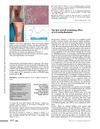
August 1992 in “PubMed” The rat vibrissa follicle can quickly remodel its basement membrane during hair growth, affecting cell signaling and activity.
 3 citations
,
November 2011 in “European Journal of Dermatology”
3 citations
,
November 2011 in “European Journal of Dermatology” 4-O-methylhonokiol from Magnolia officinalis significantly promotes hair growth.
8 citations
,
March 2009 in “Differentiation” Adult vibrissa follicle stem cells can regenerate hair follicles, glands, and skin.
25 citations
,
July 1994 in “Journal of Cell Science” Immortalized rat dermal papilla cells can still induce hair growth.
 17 citations
,
December 2001 in “Journal of Investigative Dermatology”
17 citations
,
December 2001 in “Journal of Investigative Dermatology” The osteopontin gene is active in a specific part of rat hair follicles during a certain hair growth phase and might affect hair cycle and diseases.
 68 citations
,
December 1991 in “Annals of the New York Academy of Sciences”
68 citations
,
December 1991 in “Annals of the New York Academy of Sciences” Hair growth can be induced by certain cells found at the base of hair follicles, and these cells may also influence hair development and regeneration.
 61 citations
,
October 1996 in “Development”
61 citations
,
October 1996 in “Development” Hair growth can be stimulated by combining certain skin cells, which can rejuvenate old cells and cause them to specialize in hair follicle creation.
 September 2017 in “Journal of Investigative Dermatology”
 Hair follicle cells change their DNA packaging during growth cycles and when grown in the lab.
6 citations
,
January 2013 in “Korean Journal of Pharmacognosy” Wheat bran can boost hair growth by affecting cell cycle proteins and signaling pathways.
Wheat bran promotes hair growth by helping hair cells multiply.
KY19382 helps to regrow hair and create new hair follicles.
 7 citations
,
March 2022 in “Molecules”
7 citations
,
March 2022 in “Molecules” 5-Bromo-3,4-dihydroxybenzaldehyde could potentially help hair growth by activating certain cell pathways and inhibiting others.
4 citations
,
January 2014 in “Repositorio Institucional” Clitocybin A from a mushroom may promote hair growth by increasing cell activity in hair follicles.
 56 citations
,
September 2013 in “Journal of Biochemistry and Molecular Biology”
56 citations
,
September 2013 in “Journal of Biochemistry and Molecular Biology” Androgens increase a growth factor in hair cells by creating reactive oxygen species, and antioxidants might help treat hair loss.
 34 citations
,
May 2012 in “International Journal of Molecular Sciences”
34 citations
,
May 2012 in “International Journal of Molecular Sciences” Dieckol from Ecklonia cava may help hair growth and could be a potential hair loss treatment.
 17 citations
,
August 2012 in “Archives of Pharmacal Research”
17 citations
,
August 2012 in “Archives of Pharmacal Research” Acankoreoside J from Acanthopanax koreanum may help promote hair growth.
 27 citations
,
May 2017 in “Marine Drugs”
27 citations
,
May 2017 in “Marine Drugs” Undariopsis peterseniana extract helps hair grow by activating certain cell growth pathways and could be a new treatment for hair loss.
 19 citations
,
January 2016 in “Biological & Pharmaceutical Bulletin”
19 citations
,
January 2016 in “Biological & Pharmaceutical Bulletin” Sargassum muticum extract and its component apo-9'-fucoxanthinone may help hair growth and treat hair loss.