20 citations
,
April 2014 in “Autoimmunity” A specific gene variant (rs4833095) is linked to a higher risk of alopecia areata in Koreans.
April 2020 in “The FASEB Journal” Loss of Rap1 protein speeds up heart aging in mice.
150 citations
,
June 1999 in “Oncogene” November 2020 in “UNC Libraries” Seven new genetic risk areas for prostate cancer were found.
119 citations
,
November 2016 in “American journal of human genetics” Mutations in three genes cause Uncombable Hair Syndrome, leading to frizzy hair that can't be combed flat.
 6 citations
,
November 2019 in “The application of clinical genetics”
6 citations
,
November 2019 in “The application of clinical genetics” The study found that a specific genetic variation in the TNFα gene is significantly linked to Alopecia Areata in the Jordanian Arab population.
 January 2025 in “Clinical Cosmetic and Investigational Dermatology”
 Genetic testing is crucial for diagnosing rare hair loss disorders.
September 2022 in “Research Square (Research Square)” 5% topical minoxidil improves hair density and quality in monilethrix patients.
3 citations
,
December 2014 in “Annals of Laboratory Medicine” A Korean baby with nevus sebaceus syndrome was found to have a KRAS gene mutation.
January 2026 in “Pediatrics International” Live vaccines can be safely given to infants with a FOXN1 variant if their immune function improves over time.

BLTP1 and KIF27 gene mutations can help breed better wool sheep.
 December 2020 in “bioRxiv (Cold Spring Harbor Laboratory)”
 Stress can cause a type of hair loss in mice lacking the CCHCR1 gene.
 1 citations
,
October 2022 in “Rheumatology”
1 citations
,
October 2022 in “Rheumatology” RHUPUS should be considered in children with deforming arthritis.
 9 citations
,
January 2023 in “International Journal of Biological Sciences”
9 citations
,
January 2023 in “International Journal of Biological Sciences” CTHRC1 is essential for healing and preventing heart rupture after a heart attack.
89 citations
,
January 2020 in “PubMed” Early detection and biotin treatment improve outcomes for biotinidase deficiency.
 1 citations
,
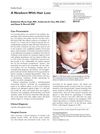
February 2013 in “Clinical pediatrics”
1 citations
,
February 2013 in “Clinical pediatrics” The baby’s hair loss was due to a rare genetic condition, not treatable by usual methods.
9 citations
,
December 1987 in “Archives of Dermatology” Two genetic disorders affect biotin metabolism, causing severe skin, hair, and metabolic issues.
37 citations
,
January 2010 in “Human Molecular Genetics” FTase and GGTase-I are essential for skin keratinocyte health.
 2 citations
,
January 2000 in “Journal of Toxicologic Pathology”
2 citations
,
January 2000 in “Journal of Toxicologic Pathology” A single recessive gene causes sparse hair in certain Japanese White rabbits.
 9 citations
,
August 2013 in “PLOS ONE”
9 citations
,
August 2013 in “PLOS ONE” Genetic variants at 20p11 increase baldness risk in Chinese Han people.
12 citations
,
June 2016 in “Clinical and experimental dermatology” A new genetic mutation in the TRPV3 gene causes Olmsted-like syndrome in a Mongolian family.
 July 2025 in “Frontiers in Medicine”
 Baricitinib successfully regrew hair in an 8-year-old boy with alopecia totalis linked to a KRT74 gene variant.
 April 2017 in “Journal of Investigative Dermatology”
 Removing the Crif1 gene in mouse skin disrupts skin balance and hair growth.
 January 1995 in “Adolescent and pediatric gynecology”
 Mutations in the androgen receptor gene cause different levels of androgen insensitivity, making it hard to create simple tests for the condition.
 January 2016 in “Journal of Investigative Dermatology”
 Some cells may slow melanoma growth, a protein could affect skin pigmentation, a gene-silencing method might treat hair defects, skin bacteria changes likely result from eczema, and a defensin protein could help treat multiple sclerosis.
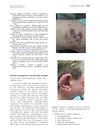
A 72-year-old man was diagnosed with a rare skin form of Rosai-Dorfman disease after years of misdiagnosis.
 8 citations
,
March 2014 in “American Journal of Pathology”
8 citations
,
March 2014 in “American Journal of Pathology” Damaged hair follicles make mice more prone to skin inflammation and skin cancer after UV exposure.
 9 citations
,
February 2022 in “Nature communications”
9 citations
,
February 2022 in “Nature communications” Rare changes in the KRT82 gene are linked to a higher risk of Alopecia Areata.
153 citations
,
June 2015 in “GenomeBiology.com” The environment around the time of conception can change the VTRNA2-1 gene in a way that lasts for years and may affect disease risk.

Researchers found a genetic link for hereditary hair loss but need more analysis to identify the exact gene.