 6 citations
,
March 2016 in “PLoS ONE”
6 citations
,
March 2016 in “PLoS ONE” The patient's hair was thinner and had fewer lipids due to a genetic mutation.
 September 2023 in “Research Square (Research Square)”
 The document concludes that the new expert system can assess the risk of PCOS effectively despite uncertainties in diagnosis.
 14 citations
,
July 2010 in “Experimental Dermatology”
14 citations
,
July 2010 in “Experimental Dermatology” A new mutation in the HR gene causes hair loss in a specific family.
1 citations
,
October 2023 in “Heliyon” An infant with Hutchinson-Gilford Progeria Syndrome had successful surgery to fix breathing issues caused by a new genetic mutation.
 18 citations
,
February 2010 in “Odontology”
18 citations
,
February 2010 in “Odontology” The document concludes that Rabson-Mendenhall syndrome requires novel treatments for insulin resistance and emphasizes the importance of dental care in affected patients.
PCOS has a strong genetic basis, but more research is needed to fully understand it.
 1 citations
,
May 2013 in “Journal of the Egyptian Women's Dermatologic Society (Print)”
1 citations
,
May 2013 in “Journal of the Egyptian Women's Dermatologic Society (Print)” Women with idiopathic hirsutism and PCOS have higher RBP4 levels, and PCOS is linked to greater insulin resistance; weight management may help both conditions.
January 2025 in “Case Reports in Oncological Medicine” Consider Sertoli-Leydig cell tumors in Peutz-Jeghers syndrome patients with adnexal masses.
6 citations
,
March 2007 in “BioTechniques” PCR genotyping in cre-loxP mice can be inaccurate due to unintended gene deletions in non-target tissues.
11 citations
,
January 2015 in “Journal of cellular physiology” HR protein causes abnormal hair cycles by increasing Tgf-β2 and reducing miR-31.
February 2026 in “Advanced Science” TTNPB helps turn stem cells into neural stem cells, improving depression-like behaviors in rats.
 76 citations
,
April 2005 in “Cancer Epidemiology, Biomarkers & Prevention”
76 citations
,
April 2005 in “Cancer Epidemiology, Biomarkers & Prevention” E211 G>A gene linked to lower risk of severe prostate cancer and hair loss.
5 citations
,
December 2014 in “Molecular cytogenetics” A specific genetic change is linked to mental disorders, intellectual disability, and possibly autoimmune disease in a family.
 January 1999 in “Journal of the European Academy of Dermatology and Venereology”
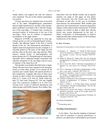
 RAPK is a rare skin disorder with pigmented spots, mainly on hands and feet, starting in youth.
7 citations
,
April 2004 in “International Journal of Dermatology” The newborn's skin blistering is due to a genetic condition called epidermolytic hyperkeratosis.
 3 citations
,
December 2021 in “Frontiers in endocrinology”
3 citations
,
December 2021 in “Frontiers in endocrinology” A new mutation in the DCAF17 gene was found in a Chinese family, causing Woodhouse-Sakati syndrome and diabetes.
 3 citations
,
February 2019 in “Animal biotechnology”
3 citations
,
February 2019 in “Animal biotechnology” The PLP2 gene affects cashmere fiber quality in goats and is linked to hair growth and loss.
39 citations
,
August 1998 in “FEBS Letters” Two new enzymes, PAD-R11 and PAD-R4, were cloned and showed activity, with PAD-R11 resembling epidermal enzymes.
60 citations
,
March 2006 in “Journal of Medical Genetics” A mutation in the KRTHB5 gene causes hair and nail issues.
24 citations
,
July 2014 in “Journal of Investigative Dermatology” Nagashima-type palmoplantar keratosis in Asians is caused by a SERPINB7 gene mutation.
50 citations
,
September 2009 in “Molecular Genetics and Metabolism” A new gene mutation causes vitamin D resistance and rickets, treatable with calcium therapy.
January 2022 in “Mammalian Genome” The wavy coat in NCT mice is caused by multiple genes, including a mutation in the Prss53 gene.
5 citations
,
January 2017 in “Arquivos Brasileiros de Oftalmologia” A rare genetic disorder causes sparse hair and vision loss due to a CDH3 gene mutation.
20 citations
,
October 2005 in “Archives of Dermatological Research”  July 2022 in “The journal of investigative dermatology/Journal of investigative dermatology”
 A patient with a PLEC mutation has epidermolysis bullosa, muscular dystrophy, and myasthenia gravis, which improved with steroid treatment.
10 citations
,
January 2020 in “Genes & Diseases” Circ-Smad5 slows cell growth by blocking a specific cell signaling pathway.
2 citations
,
May 2007 in “Pediatrics in Review” Thorough history and examination are crucial for diagnosing genetic disorders like juvenile polyposis and hypomelanosis of Ito.
Regulatory measures are needed to ensure safe production and use of platelet concentrates in Brazil.
107 citations
,
March 2014 in “BoneKEy Reports” Mutations in the vitamin D receptor cause hereditary vitamin D-resistant rickets, leading to poor bone health and requiring high calcium doses for treatment.
10 citations
,
February 2022 in “Cancers” More research and guidelines are needed for managing prostate cancer in people with high-risk genetic mutations.