 88 citations
,
August 2019 in “Nature communications”
88 citations
,
August 2019 in “Nature communications” Researchers found a specific immune receptor in patients that causes severe skin reactions to a drug.
51 citations
,
December 2006 in “Mammalian Genome”  March 2025 in “Pediatric Rheumatology”
 Cyclophosphamide is preferred for severe cases in pediatric rheumatology and nephrology despite its side effects.
 36 citations
,
November 2018 in “BMC plant biology”
36 citations
,
November 2018 in “BMC plant biology” ROXY proteins help plants respond to nitrate shortage by affecting nutrient sensing and growth.
A new mutation in the TRPS1 gene caused Trichorhinophalangeal syndrome in a 17-year-old, highlighting the need for genetic testing.
50 citations
,
December 2005 in “European Journal of Immunology” RXRα is crucial for proper immune response and links diet to immune function.
 37 citations
,
August 2016 in “Clinical, Cosmetic and Investigational Dermatology”
37 citations
,
August 2016 in “Clinical, Cosmetic and Investigational Dermatology” The document concludes that better treatments for CCCA are needed and more research is required to understand its causes related to hairstyling and genetics.
 32 citations
,
November 2011 in “International Journal of Dermatology”
32 citations
,
November 2011 in “International Journal of Dermatology” Diagnose and manage CCCA with thorough history, exams, and labs; treat with anti-inflammatory agents, stress reduction, and stopping harmful hair practices.
 February 2025 in “Biomolecules”
 RORA boosts autophagy in hair follicle stem cells, potentially aiding hair growth.
September 2025 in “PeerJ” FCER1A and RGS1 may help diagnose and treat systemic lupus erythematosus.
10 citations
,
May 2021 in “Frontiers in Plant Science” OsRopGEF3 is crucial for rice root hair growth and ROS production.
87 citations
,
December 2015 in “Cochrane library” No single treatment is clearly effective for central serous chorioretinopathy.
2 citations
,
October 2023 in “PubMed” Scientists created a cell model to study and find treatments for a skin disease called RDEB.
137 citations
,
January 2006 in “Frontiers in bioscience” CRH in the skin acts like the body's stress response system, affecting cell behavior and immune activity.
21 citations
,
April 2008 in “Toxicologic Pathology” CI-1033 causes skin lesions in rats, similar to humans, due to EGF receptor inhibition.
13 citations
,
August 2000 in “Blood” Measuring minimal residual disease on day 15 helps identify high-risk leukemia patients.
21 citations
,
March 2015 in “Neurological Sciences” A new genetic mutation linked to CARASIL syndrome and small artery disease was found in a Chinese family.
October 2019 in “Al Mustansiriyah Journal of Pharmaceutical Sciences” The CTLA-4 gene polymorphism does not affect polycystic ovarian syndrome.
35 citations
,
December 2017 in “Journal of Experimental Botany” AtCSLD3 and GhCSLD3 genes enhance root growth and cell elongation in plants.
 July 2022 in “Skin research and technology”
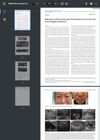
 Skin CT can help diagnose rosacea by identifying specific skin features, but should be used with clinical signs to avoid misdiagnosis.
3 citations
,
January 2021 in “Oxidative Medicine and Cellular Longevity” Nrf-2-modified stem cells from hair follicles significantly improve ulcerative colitis in rats.
 April 2018 in “Journal of Investigative Dermatology”
 The new protocol using Cellutome™ and RCM safely assesses wound healing in detail.
 April 2024 in “bioRxiv (Cold Spring Harbor Laboratory)”
 A gene network led by RSL4 is crucial for early root hair growth in response to cold in Arabidopsis thaliana.
 11 citations
,
January 2012 in “Journal of cell science”
11 citations
,
January 2012 in “Journal of cell science” Rac1 is essential for proper hair structure and color.
 43 citations
,
September 2014 in “Molecular Plant”
43 citations
,
September 2014 in “Molecular Plant” CLE40 and CRN/CLV2 pathways have opposite effects on root growth in Arabidopsis.
 5 citations
,
February 2019 in “bioRxiv (Cold Spring Harbor Laboratory)”
5 citations
,
February 2019 in “bioRxiv (Cold Spring Harbor Laboratory)” Rapamycin may help treat Leigh syndrome by targeting protein kinase C.
November 2015 in “Journal of the Korea Academia-Industrial cooperation Society” The new assay can help develop products for hair re-growth.
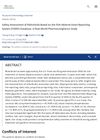 July 2025 in “The Journal of Dermatology”
 Ritlecitinib has common side effects like headache and acne, and unexpected ones like diabetes and thyroid issues.
 March 2021 in “Research Square (Research Square)”
 Patients with RASopathies have a higher risk of autoimmune disorders and should be routinely screened.
 1 citations
,
May 2019 in “Journal of pediatric endocrinology & metabolism/Journal of pediatric endocrinology and metabolism”
1 citations
,
May 2019 in “Journal of pediatric endocrinology & metabolism/Journal of pediatric endocrinology and metabolism” Intravenous calcium therapy is a safe and effective treatment for a rare type of rickets.