232 citations
,
January 2002 in “Mechanisms of development” Different enzymes are active in different parts of developing mouse organs.
29 citations
,
January 2003 in “KARGER eBooks” HVDRR is caused by VDR gene mutations, leading to vitamin D resistance, treatable with high calcium doses, but alopecia remains permanent.
26 citations
,
September 1999 in “Canadian Journal of Botany” The RHD4 gene is crucial for consistent root hair growth in Arabidopsis thaliana.
57 citations
,
August 1997 in “Pediatrics International” VDDR I and II are genetic disorders affecting vitamin D use, causing rickets, with VDDR I treatable by vitamin D supplements and VDDR II needing high doses and calcium.
37 citations
,
August 2011 in “Journal of Bone and Mineral Research” A girl had rickets due to a gene mutation affecting vitamin D response.
12 citations
,
September 2017 in “JDR Clinical & Translational Research” Early detection of specific VDR mutations is crucial for effective treatment and better dental outcomes in children with hereditary vitamin D–resistant rickets.
 6 citations
,
January 2014 in “Journal of pediatric endocrinology & metabolism/Journal of pediatric endocrinology and metabolism”
6 citations
,
January 2014 in “Journal of pediatric endocrinology & metabolism/Journal of pediatric endocrinology and metabolism” Three siblings with a genetic form of rickets showed different symptoms of the disease.
12 citations
,
September 2014 in “Bone” A vitamin D receptor mutation causes rickets and affects immune responses.
4 citations
,
April 2022 in “Evidence-based Complementary and Alternative Medicine” Dracorhodin perchlorate helps heal wounds in diabetic rats by reducing inflammation.
 6 citations
,
June 2018 in “Journal of pediatric endocrinology & metabolism/Journal of pediatric endocrinology and metabolism”
6 citations
,
June 2018 in “Journal of pediatric endocrinology & metabolism/Journal of pediatric endocrinology and metabolism” Patients with the same genetic mutation for vitamin D-resistant rickets showed different symptoms but all improved with treatment except for hair loss.
July 2025 in “SVU-International Journal of Medical Sciences” Children with Vitamin D-dependent rickets type II may have severe dental issues that need a team of specialists for proper care.
107 citations
,
March 2014 in “BoneKEy Reports” Mutations in the vitamin D receptor cause hereditary vitamin D-resistant rickets, leading to poor bone health and requiring high calcium doses for treatment.
81 citations
,
March 1985 in “Journal of Clinical Investigation” Measuring 24-OHase induction helps identify defects in vitamin D processing and predict treatment response.
67 citations
,
August 2004 in “Endocrinology” A specific gene mutation causes vitamin D resistance, but certain vitamin D analogs might help.

A genetic mutation in the CDH3 gene causes hair loss and vision problems in a young Saudi girl.
151 citations
,
June 2010 in “Endocrinology and metabolism clinics of North America” Two rare genetic diseases cause severe rickets in children due to defects in vitamin D metabolism.

Dandelion-derived carbon dots effectively kill bacteria and speed up wound healing.
8 citations
,
December 2016 in “Hormone Research in Paediatrics” Tunisian children with hereditary vitamin D-resistant rickets showed improvement with calcium treatment, and new genetic mutations were identified.
 October 2024 in “Journal of the Endocrine Society”
 A rare genetic mutation causes resistance to vitamin D, leading to severe rickets and requiring high doses of calcium and vitamin D for treatment.
13 citations
,
July 2016 in “Indian Journal of Dermatology” DPR can show different hair characteristics, as seen in two brothers with normal hair.
13 citations
,
April 1994 in “Baillière's clinical endocrinology and metabolism” Some people have genetic mutations that make them resistant to vitamin D, leading to rickets even with enough vitamin D intake.
 4 citations
,
January 2017 in “Journal of pediatric endocrinology & metabolism/Journal of pediatric endocrinology and metabolism”
4 citations
,
January 2017 in “Journal of pediatric endocrinology & metabolism/Journal of pediatric endocrinology and metabolism” Two different mutations in the vitamin D receptor gene cause different symptoms and responses to treatment in Lebanese patients with hereditary rickets.
5 citations
,
July 2017 in “International journal of endocrinology and metabolism/International journal of endocrinology and metabolism.” Two siblings with a genetic mutation had a form of rickets that doesn't respond to vitamin D.
17 citations
,
April 2023 in “Cell Biology International” RDW is a useful, cost-effective tool for diagnosing and monitoring various diseases.
 8 citations
,
August 2015 in “Journal of dermatological science”
8 citations
,
August 2015 in “Journal of dermatological science” Rhododendrol in skin-whitening products can cause skin depigmentation and immune reactions.
 1 citations
,
November 2025 in “Clinical Chemistry and Laboratory Medicine (CCLM)”
1 citations
,
November 2025 in “Clinical Chemistry and Laboratory Medicine (CCLM)” A new method accurately measures DHEAS in blood, improving on current tests.
October 2014 in “Archives of Disease in Childhood” Growth hormone therapy can improve symptoms and growth in children with Vitamin-D Dependent Rickets Type-2.
 6 citations
,
August 1989 in “European journal of pediatrics”
6 citations
,
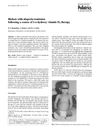
August 1989 in “European journal of pediatrics” Child with rickets improved with a specific vitamin D therapy, but alopecia did not change.
2 citations
,
July 2013 in “Journal of Life Sciences” A 2-year-old girl with a rare vitamin D disorder had rickets and hair loss, but treatment was ineffective due to poor compliance.
October 2024 in “Journal of the Endocrine Society” A rare genetic mutation causes resistance to vitamin D, leading to severe rickets and requires high doses of calcium and vitamin D for management.