 80 citations
,
February 2021 in “Cureus”
80 citations
,
February 2021 in “Cureus” Many COVID-19 survivors continue to experience symptoms like fatigue and concentration problems after recovery, possibly needing rehabilitation.
22 citations
,
April 2004 in “Journal of Neurochemistry” Acute stress increases Y1 receptor gene expression in certain brain areas, but repeated stress does not.
 December 2025 in “Zenodo (CERN European Organization for Nuclear Research)”
 Current drug safety systems fail to detect long-term side effects, needing improvements to protect health and trust.
 12 citations
,
December 2020 in “Journal of The American Academy of Dermatology”
12 citations
,
December 2020 in “Journal of The American Academy of Dermatology” The COVID-19 pandemic increased symptoms in people with skin picking and hair pulling disorders.
December 1977 in “Archives of Dermatology” Hair regrowth in alopecia areata is common, but recurrences happen frequently.
 December 2025 in “Zenodo (CERN European Organization for Nuclear Research)”
 Current drug safety systems fail to detect long-term side effects, leading to preventable health issues.
 9 citations
,
January 2020
9 citations
,
January 2020 Using poppers can cause vision problems, but stopping their use might lead to complete recovery over time.
 May 2025 in “Frontiers in Immunology”
 Autoimmune diseases with high tissue recovery often relapse and remit, while those with low recovery rarely remit.
 3 citations
,
February 1985 in “PubMed”
3 citations
,
February 1985 in “PubMed” Stopping the beta-blocker nadolol led to quick hair regrowth and improved scalp condition.
 82 citations
,
September 2011 in “Quality of Life Research”
82 citations
,
September 2011 in “Quality of Life Research” Choosing the right recall period for patient feedback is important for accurate data and depends on the disease, symptom changes, and patient impact.
2 citations
,
January 2001 in “Humana Press eBooks” Pseudo-Cushing's symptoms disappear once the underlying issue is resolved.
3 citations
,
March 2024 in “Journal of Dermatological Treatment” Baricitinib can lead to hair regrowth in alopecia areata but may also cause relapses.
 7 citations
,
April 2019 in “Aesthetic Surgery Journal”
7 citations
,
April 2019 in “Aesthetic Surgery Journal” Repeated use of platelet-rich plasma in rats caused increased pain sensitivity.
 February 2025 in “Biointerface Research in Applied Chemistry”
 Repurposing existing drugs can quickly and cheaply find new treatments for diseases.
 June 2026 in “Journal of Korean Medicine”
 Long-term repeated cupping therapy can cause unexpected localized hair growth.
 3 citations
,
April 1989 in “Drug Information Journal”
3 citations
,
April 1989 in “Drug Information Journal” Side effects of drugs can lead to the discovery of new treatments.
 February 2026 in “PubMed”
 Finasteride withdrawal causes anxiety-like behavior in male rats.
1 citations
,
August 2013 in “Journal of Clinical Epidemiology” The "exposure–crossover design" helps assess individual changes in risk after events like car crashes.
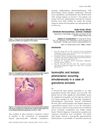 4 citations
,
January 2009 in “Indian Journal of Dermatology, Venereology and Leprology”
4 citations
,
January 2009 in “Indian Journal of Dermatology, Venereology and Leprology” A patient with granuloma annulare experienced both isotopic and isomorphic responses, with skin lesions responding to steroids but relapsing after stopping treatment.
1 citations
,
February 2022 in “Brain Research Bulletin” Finasteride may help reduce impulsivity caused by pramipexole.
September 2022 in “European Journal of Dermatology”  40 citations
,
April 2018 in “Endocrine”
40 citations
,
April 2018 in “Endocrine” PFS and PSSD are similar conditions with persistent sexual dysfunction after stopping medication.
 2 citations
,
January 2021 in “Signa Vitae”
2 citations
,
January 2021 in “Signa Vitae” Certain symptoms and patient profiles, like thoracic pain and general malaise, increase the risk of COVID-19 patients being readmitted to the emergency department.
69 citations
,
October 2013 in “Journal of Clinical Psychopharmacology” Naltrexone did not significantly reduce hair pulling but improved cognitive flexibility.
 1 citations
,
August 2022 in “JAMMI”
1 citations
,
August 2022 in “JAMMI” Some people still have COVID-19 symptoms after 90 days, especially older patients and those with severe initial symptoms, but most return to normal.
January 2025 in “International Journal of Trichology” Trichotillomania can occur in unusual patterns and sites, highlighting the need for awareness and treatment options.
15 citations
,
November 2007 in “Journal of Neurochemistry” Stopping alcohol after long-term use causes anxiety and changes brain chemicals.
2 citations
,
January 2015 in “Journal of Investigative Dermatology”