13 citations
,
July 2004 in “Pediatric dermatology” A new severe form of monilethrix syndrome includes hair loss, scalp itching, cataracts, and distinct facial features.
 February 2026 in “Aesthetic Cosmetology and Medicine”
 The treatment improved hair density and condition without side effects.
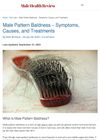
Male pattern baldness is a common hair loss in men caused by genetics and hormones, with treatments including drugs, hair transplants, and hair loss products.
 December 2016 in “Int J Genet”
 Male pattern baldness is partly caused by specific genes, but most genetic factors are still unknown.
 October 2010 in “Mayo Clinic women's healthsource”
 Dr. Rochelle Torgerson says female-pattern hair loss is often hereditary, starts after puberty, and can be slowed with treatments like Minoxidil. It can also indicate other health issues.
 3 citations
,
April 2015 in “Dermatology practical & conceptual”
3 citations
,
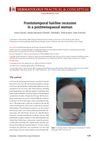
April 2015 in “Dermatology practical & conceptual” Postmenopausal women can experience hairline recession, affecting their quality of life, and more research is needed for treatments.
January 2024 in “Revista Dermatológica Centro Uraga” Frontal fibrosing alopecia is increasingly affecting men, causing hair loss around the hairline and possibly other areas.
 3 citations
,
February 2009 in “Journal of The European Academy of Dermatology and Venereology”
3 citations
,
February 2009 in “Journal of The European Academy of Dermatology and Venereology” Sparse hairs below frontal hairline can indicate early male balding.
 February 2011 in “Journal of the American Academy of Dermatology”
 A 60-year-old man with a long-term balding condition also developed a rare hair loss condition usually seen in postmenopausal women.
 October 2020 in “International Journal of Research in Dermatology”
 The review suggests more research is needed to understand Frontal fibrosing alopecia, a condition causing hairline recession in postmenopausal women.
 14 citations
,
January 2006 in “Australasian journal of dermatology”
14 citations
,
January 2006 in “Australasian journal of dermatology” Alopecia areata can look like frontal fibrosing alopecia, making diagnosis hard.
 9 citations
,
August 2018 in “Journal der Deutschen Dermatologischen Gesellschaft”
9 citations
,
August 2018 in “Journal der Deutschen Dermatologischen Gesellschaft” Most patients with frontal fibrosing alopecia are middle-aged women, often have thyroid disease, and some treatments can help stabilize the condition.
 63 citations
,
October 2011 in “Archives of Dermatology”
63 citations
,
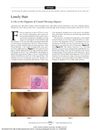
October 2011 in “Archives of Dermatology” Isolated long hairs at the original hairline can help diagnose Frontal Fibrosing Alopecia.
September 2023 in “Journal of the American Academy of Dermatology” Current guidelines may overlook beard and sideburn involvement in diagnosing frontal fibrosing alopecia in men.
 August 2015 in “Dermatología Argentina”
 Frontal fibrosing alopecia causes hairline recession and eyebrow loss in postmenopausal women.
January 2016 in “Indian dermatology online journal” Frontal fibrosing alopecia causes hair loss at the front hairline, and no effective treatment exists.
 57 citations
,
January 2003 in “Clinical and experimental dermatology”
57 citations
,
January 2003 in “Clinical and experimental dermatology” Postmenopausal frontal fibrosing alopecia is a type of hair loss in postmenopausal women that may stop on its own but has no effective treatment.
December 2016 in “Anales del sistema sanitario de Navarra” Frontal fibrosing alopecia is increasing, especially in postmenopausal women, and treatment with finasteride can improve it.
 155 citations
,
September 2008 in “British journal of dermatology/British journal of dermatology, Supplement”
155 citations
,
September 2008 in “British journal of dermatology/British journal of dermatology, Supplement” FFA is more common in postmenopausal women, can affect younger women, and may stabilize over time.
14 citations
,
January 2014 in “Indian Journal of Dermatology Venereology and Leprology” Frontal fibrosing alopecia can affect men's beards and leads to permanent hair loss.
April 2021 in “Aktuelle Dermatologie” Frontal Fibrosing Alopecia is a type of hair loss that mainly affects postmenopausal women, has unclear causes, and lacks evidence-based treatments.
 26 citations
,
August 2016 in “Actas Dermo-Sifiliográficas”
26 citations
,
August 2016 in “Actas Dermo-Sifiliográficas” Frontal Fibrosing Alopecia in men is often missed and can come with symptoms like facial bumps and hair loss on eyebrows and limbs.
 November 2023 in “The journal of investigative dermatology/Journal of investigative dermatology”
 Early treatment and multidisciplinary care are key to managing Frontal Fibrosing Alopecia and preventing further hair loss.
 1 citations
,
July 2023 in “Journal of the European Academy of Dermatology and Venereology”
1 citations
,
July 2023 in “Journal of the European Academy of Dermatology and Venereology” Portraits show women's hairlines have moved forward over time, suggesting changes in the occurrence of frontal hair loss.
 3 citations
,
March 1998 in “Aesthetic Surgery Journal”
3 citations
,
March 1998 in “Aesthetic Surgery Journal” Experts suggest various surgical methods for hair restoration, including scalp reduction, transplantation using minigrafts, and establishing a permanent frontal hairline with follicular units. The drug finasteride may also be used alongside these procedures.
2 citations
,
January 2016 in “Dermatology online journal” A 46-year-old man was diagnosed with frontal fibrosing alopecia, a condition usually seen in postmenopausal women.
 December 2024 in “Brazilian Journal of Health Review”
 Early diagnosis of alopecia frontal fibrosante is crucial, but treatment remains controversial and varies.
 March 2019 in “International Journal of Dermatology”
 Hairline recession makes Asian males look older, especially in mid-young age; proper hairline position can help them look younger.
2 citations
,
January 2010 in “PubMed” Current treatments for postmenopausal frontal fibrosing alopecia stop hair loss but don't regrow hair.
Early diagnosis and treatment of frontal fibrosing alopecia are crucial to prevent permanent hair loss.