 17 citations
,
October 2006 in “Molecular and Cellular Endocrinology”
17 citations
,
October 2006 in “Molecular and Cellular Endocrinology” The L457(3.43)R mutation in the human lutropin receptor causes increased activity and hormone insensitivity, leading to precocious puberty.
83 citations
,
October 2016 in “Stem Cells and Development” Epidermal growth factor helps hair stem cells grow by activating specific cell pathways.
56 citations
,
November 2012 in “Endocrinology” Vitamin D receptor is essential for proper skin healing after injury.
 9 citations
,
June 2021 in “International Journal of Pharmaceutics”
9 citations
,
June 2021 in “International Journal of Pharmaceutics” Using polymeric micelles to deliver spironolactone topically could improve wound healing in skin affected by glucocorticoids.
1 citations
,
December 2021 in “Development & Reproduction” Lack of FPR2 slows hair growth by affecting hair cell activity.
 5 citations
,
January 2021 in “Journal of Saudi Chemical Society”
5 citations
,
January 2021 in “Journal of Saudi Chemical Society” Watercress oil may promote hair growth by activating specific receptors.
1 citations
,
January 2025 in “Proceedings of the National Academy of Sciences” LPAR6 has a unique way of binding and activating, which helps in designing treatments for hair loss and cancer.
 July 2026 in “Pharmacological Reports”
 Topical latanoprost acid may help hair growth in women with hair loss.
 97 citations
,
December 2010 in “Journal of Neuroscience”
97 citations
,
December 2010 in “Journal of Neuroscience” Midazolam impairs learning and memory by increasing neurosteroids through specific receptor activation.
44 citations
,
October 2016 in “Epilepsia” 2-DG reduces seizures by enhancing brain inhibition through specific receptor activation.
July 2024 in “Journal of Investigative Dermatology” Linalool in fragrances may harm hair follicles and contribute to hair loss.
9 citations
,
November 2015 in “Plastic and reconstructive surgery/PSEF CD journals” Gene knockout mice developed scars similar to human hypertrophic scars, useful for studying scar progression.
 119 citations
,
November 2014 in “Trends in Cell Biology”
119 citations
,
November 2014 in “Trends in Cell Biology” Fibroblast growth factor receptor signaling controls cell development and repair, and its malfunction can cause disorders and cancer, but it also offers potential for targeted therapies.
 46 citations
,
June 2015 in “Journal of Investigative Dermatology”
46 citations
,
June 2015 in “Journal of Investigative Dermatology” Androgen receptor activity blocks Wnt/β-catenin signaling, affecting hair growth and skin cell balance.
227 citations
,
January 1998 in “Journal of biological chemistry/The Journal of biological chemistry” Mutations at Val-889 and Arg-752 disrupt key interactions in the androgen receptor, affecting its function.
 56 citations
,
February 2006 in “American journal of physiology. Cell physiology”
56 citations
,
February 2006 in “American journal of physiology. Cell physiology” Steroid sex hormones activate matriptase in prostate cancer cells but not in breast cancer cells.
 20 citations
,
September 2005 in “Endocrinology”
20 citations
,
September 2005 in “Endocrinology” Certain changes to the B-ring of androgen receptor ligands can increase their effectiveness for potential treatments of muscle and bone conditions.
 19 citations
,
September 2011 in “Journal of Dermatological Science”
19 citations
,
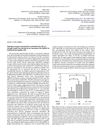
September 2011 in “Journal of Dermatological Science” TGF-β1 increases androgen receptor activity in hair loss, but Hic-5/ARA55 can counter this effect.
 6 citations
,
January 2020 in “International journal of biological sciences”
6 citations
,
January 2020 in “International journal of biological sciences” Removing the ROBO4 gene in mice reduces skin inflammation and hair loss by affecting certain inflammation pathways and gene expression.
 1 citations
,
August 2016 in “Journal of Investigative Dermatology”
1 citations
,
August 2016 in “Journal of Investigative Dermatology” Activating STAT5 in the skin's dermal papilla is key for starting hair growth, regenerating hair follicles, and healing wounds.
1 citations
,
January 2015 ERK activation spreads between cells, influencing cell division and wound healing.
 March 2010 in “Ejc Supplements”
 ROR-alpha may increase the growth of certain breast cancer cells by boosting aromatase, which could affect breast cancer prognosis.
ERK activation spreads between cells in mouse skin, linked to cell division and influenced by TPA and EGF receptors.
 April 2018 in “Journal of Investigative Dermatology”
 Activating Nrf2 helps wounds heal faster by increasing hair follicle stem cells.
23 citations
,
December 2013 in “Molecular cancer therapeutics” Breast cancer treatments work better with AR activation, improving results and reducing side effects.
 68 citations
,
April 2014 in “Journal of Molecular Endocrinology”
68 citations
,
April 2014 in “Journal of Molecular Endocrinology” The document concludes that targeting the androgen receptor may be a promising breast cancer treatment, especially for certain types.
 60 citations
,
May 2015 in “Archives of dermatological research”
60 citations
,
May 2015 in “Archives of dermatological research” PPAR agonists show promise for skin conditions but need more research before being a main treatment.
 August 2024 in “Cell Death and Disease”
 Activating TLR9 helps heal wounds and regrow hair by using specific immune cells.
144 citations
,
December 2004 in “Molecular Endocrinology” The vitamin D receptor is essential for normal hair growth, even without its usual binding.
8 citations
,
July 2022 in “International Journal of Molecular Sciences” 17β-estradiol lowers polyamine oxidase levels in breast cancer cells through estrogen receptor 2.