 July 2026 in “Zenodo (CERN European Organization for Nuclear Research)”
 JAK inhibitors may help treat alopecia areata by restoring hair growth.
 2 citations
,
January 2025 in “Pharmaceutical Research”
2 citations
,
January 2025 in “Pharmaceutical Research” Angelica gigas Nakai root extracts may help with cancer, pain, memory loss, and metabolic issues.
 December 2025 in “ADMET & DMPK”
 Personalized treatments for hair loss focus on specific genetic and biological pathways.
 September 2025 in “International Journal of Science and Research (IJSR)”
 Stress causes hair loss by disrupting hair growth cycles, and combining medical and cosmetic treatments can help manage it.
 38 citations
,
January 2016 in “Cell Death and Disease”
38 citations
,
January 2016 in “Cell Death and Disease” The TCL1 transgenic mouse model is useful for understanding human B-cell leukemia and testing new treatments.
 88 citations
,
July 2014 in “Journal of the American Academy of Dermatology”
88 citations
,
July 2014 in “Journal of the American Academy of Dermatology” Targeted cancer therapies often cause skin reactions, so dermatologists must manage these effects.
 7 citations
,
May 2022 in “PLOS ONE”
7 citations
,
May 2022 in “PLOS ONE” Certain genes and pathways are linked to the production of finer and denser wool in Hetian sheep.
January 2008 in “Projeto: revista mensal de arquitetura” Targeted cancer drugs can cause skin reactions, so dermatologists must manage these effects.
33 citations
,
December 2017 in “Journal of neuroendocrinology” Sex and stress steroids quickly change brain cell structures in the hippocampus.
 June 2024 in “Journal of Clinical Oncology”
 EGFR-TKIs can cause unexpected skin, nail, and hair issues.
2 citations
,
January 2004 in “Linchuang pifuke zazhi” ZD1839 can cause skin issues like acne and hair changes.
37 citations
,
June 1996 in “Journal of cellular physiology” Retinoic acid, glucocorticoids, and IGF1 increase IGFBP-3 production in human dermal papilla cells, affecting hair growth.
58 citations
,
February 2013 in “Journal of Biological Chemistry” LGR5 mainly stays inside cells, moving to the trans-Golgi network, and this process is important for its role in cell signaling.
New pyridine compounds effectively inhibit GSK3, a diabetes treatment target.
 489 citations
,
November 2021 in “Signal Transduction and Targeted Therapy”
489 citations
,
November 2021 in “Signal Transduction and Targeted Therapy” The JAK/STAT pathway is important in cell processes and disease, and JAK inhibitors are promising for treating related conditions.
 15 citations
,
January 2014 in “Medicinal chemistry”
15 citations
,
January 2014 in “Medicinal chemistry” Some new isatin compounds could be strong cancer-fighting drugs because they fit well in cancer-related proteins and have good drug-like properties.
37 citations
,
December 2020 in “PLANT PHYSIOLOGY” A mutant FERONIA gene affects root hair growth at high temperatures.
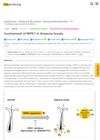
RIPK1 inhibitors might help prevent alopecia areata.
May 2025 in “Texas Digital Library (University of Texas)” Extracellular ATP promotes growth, while adenosine inhibits it in Arabidopsis plants.
172 citations
,
March 2019 in “The EMBO Journal” FERONIA and LRX proteins help control cell growth in plants by regulating vacuole expansion.
 July 2025 in “Underline Science Inc.”
 ROS influences the growth and structure of Arabidopsis root hairs.
January 2024 in “Research Portal Denmark” H+-ATPase is crucial for plant growth and can be influenced by microbial compounds, affecting root hair development.
 2 citations
,
December 2011 in “Annales de Dermatologie et de Vénéréologie”
2 citations
,
December 2011 in “Annales de Dermatologie et de Vénéréologie” 2011 dermatological research found new skin aging markers, hair loss causes, skin defense mechanisms, and potential for new treatments.
 37 citations
,
March 2006 in “Regulatory Peptides”
37 citations
,
March 2006 in “Regulatory Peptides” Mice skin has components that could help with hair growth and might be used for diabetes treatment.
 65 citations
,
May 2017 in “Advances in wound care”
65 citations
,
May 2017 in “Advances in wound care” Toll-like receptors are important for wound healing, but can slow it down in diabetic wounds.
 12 citations
,
March 2016 in “BBA clinical”
12 citations
,
March 2016 in “BBA clinical” Increased Toll-like receptors in blood cells may contribute to alopecia areata and could be a target for new treatments.
 9 citations
,
January 2018 in “Acta dermato-venereologica”
9 citations
,
January 2018 in “Acta dermato-venereologica” A substance called poly(I:C) increases a protein called carbonic anhydrase II in skin cells, which might help with skin defense and healing.
 June 2026 in “Dermatology and Therapy”
 GLP-1RAs, like semaglutide and tirzepatide, may cause hair loss, so patients should be informed and monitored.
 2 citations
,
January 2022 in “bioRxiv (Cold Spring Harbor Laboratory)”
2 citations
,
January 2022 in “bioRxiv (Cold Spring Harbor Laboratory)” A protein called FERONIA helps control root hair growth in response to cold and low nitrogen by activating nutrient-sensing pathways in a plant called Arabidopsis.
 1 citations
,
March 2004 in “Journal of the American Academy of Dermatology”
1 citations
,
March 2004 in “Journal of the American Academy of Dermatology” ZD1839, a cancer drug, can cause mild skin rashes that are treatable without stopping the medication.