Avicennia marina extract may help treat hair loss naturally.
16 citations
,
April 1998 in “Journal of Investigative Dermatology” ACTH promotes hair growth in mink, but α-MSH does not.
 17 citations
,
February 2019 in “Journal of steroid biochemistry and molecular biology/The Journal of steroid biochemistry and molecular biology”
17 citations
,
February 2019 in “Journal of steroid biochemistry and molecular biology/The Journal of steroid biochemistry and molecular biology” AKR1D1 controls glucocorticoid levels and receptor activity in liver cells.
10 citations
,
September 2021 in “The FASEB Journal” ACKR2 helps prevent skin scarring and hair loss by controlling inflammation.
 April 2024 in “Clinical and experimental dermatology”
 Tofacitinib is effective for severe alopecia areata, similar to oral betamethasone.
 66 citations
,
April 1995 in “The journal of cell biology/The Journal of cell biology”
66 citations
,
April 1995 in “The journal of cell biology/The Journal of cell biology” A new protein was made to detect specific skin cell growth receptors and worked in normal skin but not in skin cancer cells.
 7 citations
,
April 2023 in “Frontiers in immunology”
7 citations
,
April 2023 in “Frontiers in immunology” Oral baricitinib and ruxolitinib are effective and safe for treating alopecia areata.
 2 citations
,
May 2022 in “Research Square (Research Square)”
2 citations
,
May 2022 in “Research Square (Research Square)” KGF-1 135 is a stable and effective alternative for treating oral mucositis.
 June 2025 in “Stem Cell Research & Therapy”
 Combining stem cells with ATP significantly boosts hair regrowth in mice with hair loss.
5 citations
,
April 2025 in “Journal of Functional Biomaterials” A-PRF+ improves bone healing and stability in oral surgery.
 4 citations
,
September 2020 in “Journal of Cosmetic Dermatology”
4 citations
,
September 2020 in “Journal of Cosmetic Dermatology” PRP treatment significantly increased hair density and thickness in male hair loss.
15 citations
,
January 2015 in “International journal of medical research and health sciences” Platelet rich plasma is as effective as triamcinolone for treating alopecia areata.
 41 citations
,
January 2007 in “Journal of Korean Medical Science”
41 citations
,
January 2007 in “Journal of Korean Medical Science” Minoxidil and ATRA together boost hair growth more effectively than minoxidil alone.
 June 2017 in “Journal of the American Academy of Dermatology”
 Tofacitinib is effective and safe for treating severe alopecia areata and related conditions.
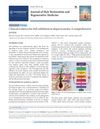
JAK inhibitors effectively regrow hair in alopecia areata but hair loss often returns after stopping treatment.
Using Arabidopsis thaliana to produce KGF-2 is a promising, cost-effective method for hair growth and wound healing products.
 June 2026 in “Frontiers in Immunology”
 Upadacitinib effectively treated severe atopic dermatitis, vitiligo, and alopecia areata in one patient.
 8 citations
,
January 2016 in “Annals of Dermatology”
8 citations
,
January 2016 in “Annals of Dermatology” A complex of 5-aminolevulinic acid and glycyl-histidyl-lysine peptide may help increase hair count in male pattern hair loss without side effects.
 8 citations
,
June 2011 in “Nature Biotechnology”
8 citations
,
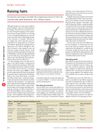
June 2011 in “Nature Biotechnology” Stem cell treatments can potentially treat baldness, with one trial showing hair growth after injecting a hair-stimulating complex, and no safety issues were reported.
 July 2025 in “Journal of Cosmetic Dermatology”
 Alternative treatments are needed when Tofacitinib alone fails for alopecia areata.
 November 2024 in “Benha Journal of Applied Sciences”
 Reduced alpha smooth muscle actin may cause hair loss in androgenetic alopecia.
1 citations
,
April 2023 in “Portuguese Journal of Dermatology and Venereology” JAK inhibitors are effective treatments for alopecia areata.
 March 2025 in “Journal of Science Natural Science”
 Acetyl tetrapeptide-3 was successfully made for use in hair loss treatments.
 1 citations
,
July 2019 in “Medicina Clínica (English Edition)”
1 citations
,
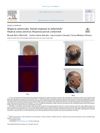
July 2019 in “Medicina Clínica (English Edition)” Tofacitinib partially improved hair regrowth in a patient with severe hair loss.
 January 2025 in “Acta Dermatovenerologica Alpina Pannonica et Adriatica”
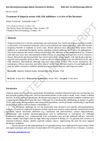
 JAK inhibitors can help regrow hair in alopecia areata but have potential long-term risks and require careful monitoring.
July 2026 in “American Journal of Clinical Dermatology” Oral JAK inhibitors help regrow hair in alopecia areata with manageable side effects.
 November 2025 in “SKIN The Journal of Cutaneous Medicine”
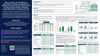
 Upadacitinib effectively treats severe alopecia areata and is safe.
91 citations
,
May 1972 in “Journal of Biological Chemistry” Transglutaminases work through a ping-pong mechanism, and human plasma and platelet transglutaminases have similar catalytic subunits.
 April 2018 in “Journal of Investigative Dermatology”
 Fetuin A, Anigozanthos Flavidus extract, and Ovol2 affect wound healing and skin regeneration.
22 citations
,
May 2004 in “Tissue Engineering” PGA fiber-reinforced collagen sponges improve hair growth and skin structure.