 11 citations
,
March 2021 in “Journal of Bioscience and Bioengineering”
11 citations
,
March 2021 in “Journal of Bioscience and Bioengineering” Adding human fat-derived stem cells to hair follicle grafts greatly increases hair growth.
November 2015 in “Archivio Istituzionale della Ricerca (Universita Degli Studi Di Milano)” Platelet concentrates may help tissue regeneration and have potential for regenerative therapies.
 9 citations
,
August 2024 in “Tissue Engineering and Regenerative Medicine”
9 citations
,
August 2024 in “Tissue Engineering and Regenerative Medicine” Collagen-heparin-FGF2-VEGF scaffolds can improve skin healing.
 April 2018 in “Journal of Investigative Dermatology”
 A new peptide, FOL-005, may help treat excessive hair growth by reducing a hair growth promoter, FGF7.
 August 2014 in “Journal of clinical & experimental dermatology research”
 Platelet-released growth factors can treat hair loss by activating hair follicle stem cells, blocking certain pathways, and controlling inflammation and fibrosis.
2 citations
,
June 2025 in “Preprints.org” Targeting amphiregulin may improve treatment for fibrotic diseases and cancer.
4 citations
,
September 2024 in “Cell Reports” Granulocyte colony stimulating factor helps heal wounds without scars.
2 citations
,
October 2021 in “Experimental Cell Research” Injectable platelet-rich fibrin helps hair growth by boosting key cell functions.
20 citations
,
January 2017 in “Experimental Dermatology” Igf1r helps regulate hair growth cycles.
November 2015 in “Journal of the Korea Academia-Industrial cooperation Society” The new assay can help develop products for hair re-growth.
 August 2013 in “Nature Reviews Drug Discovery”
 New treatments for cancer and skin disorders show promise in disrupting harmful cell interactions and promoting hair growth.
100 citations
,
August 2011 in “Journal of Investigative Dermatology” Lack of vitamin D receptor increases skin tumor risk by boosting hedgehog signaling.
 20 citations
,
November 2019 in “Stem Cells”
20 citations
,
November 2019 in “Stem Cells” Hes1 protein is important for hair growth and regeneration, and could be a potential treatment for hair loss.
 154 citations
,
November 2017 in “Development”
154 citations
,
November 2017 in “Development” Fibroblast Growth Factors (FGFs) are important for tissue repair and regeneration, influencing cell behavior and other factors involved in healing, and are crucial in processes like wound healing, bone repair, and hair growth.
February 2014 in “PubMed” Modified rat hair follicle stem cells can help create artificial hair follicles, blood vessels, and skin.
October 2014 in “Archives of Disease in Childhood” Growth hormone therapy can improve symptoms and growth in children with Vitamin-D Dependent Rickets Type-2.
October 2012 in “Institutional Repositories DataBase (IRDB)” Stem cell treatment can effectively regrow hair.
July 2020 in “Journal of Tissue Engineering and Reconstructive Surgery”  April 2018 in “Journal of Investigative Dermatology”
 High amphiregulin in the skin is a bad sign for acute graft-versus-host disease.
20 citations
,
December 2013 in “PTR. Phytotherapy research/Phytotherapy research” Ginsenoside Rg3 may help hair growth by increasing a growth-related protein in hair cells.
3 citations
,
September 2021 in “Bulletin of the Korean Chemical Society” Dimeric peptide derivatives could help hair growth and treat hair loss safely.
 178 citations
,
October 2001 in “Genes & Development”
178 citations
,
October 2001 in “Genes & Development” The mutated hairless gene causes hair loss by acting as a new type of corepressor affecting thyroid hormone receptors.
 3 citations
,
January 2005 in “Biological & Pharmaceutical Bulletin”
3 citations
,
January 2005 in “Biological & Pharmaceutical Bulletin” The peptide GPIGS helps hair cells grow and speeds up hair regrowth in mice.
 February 2026 in “SHILAP Revista de lepidopterología”
 Engineered exosomes with EGF and FGF improve hair growth in mice with hair loss.
 January 2017 in “Journal of clinical & experimental dermatology research”
 Scientists have found a way to create hair follicles from human stem cells, which could potentially be used to treat hair loss.
 24 citations
,
July 2017 in “Structure”
24 citations
,
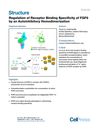
July 2017 in “Structure” FGF9 controls which receptors it binds to through a process where two FGF9 molecules join, and changes in FGF9 can lead to incorrect receptor activation.
 20 citations
,
August 2015 in “International Journal of Molecular Medicine”
20 citations
,
August 2015 in “International Journal of Molecular Medicine” Human placental extract may help hair growth by affecting certain cell signals and could be more effective with minoxidil.
September 2014 in “Genes and Cells” Genetically modified umbilical cord blood cells improved skin wound healing in rats.
 January 2010 in “프로그램북(구 초록집)”
 Fgf9 helps create new hair follicles after injury through skin T cells.