 24 citations
,
March 2001 in “Journal of Endocrinology/Journal of endocrinology”
24 citations
,
March 2001 in “Journal of Endocrinology/Journal of endocrinology” Red deer only have androgen receptors in neck hair cells for mane growth during breeding season.
16 citations
,
August 1996 in “The journal of experimental zoology/Journal of experimental zoology” Red deer hair cells offer a new way to study how hormones affect hair growth.
 4 citations
,
January 2014 in “The Scientific World Journal”
4 citations
,
January 2014 in “The Scientific World Journal” Red deer antler extract helps hair grow by extending the growth phase and increasing cell growth in hair follicles.
 4 citations
,
April 2012 in “Asian-australasian Journal of Animal Sciences”
4 citations
,
April 2012 in “Asian-australasian Journal of Animal Sciences” Red deer antler extract may help hair grow faster by increasing a growth protein.
 February 2024 in “Research Square (Research Square)”
 Proteins from Tianshan red deer abomasum have strong anti-inflammatory, anti-tumor, and antioxidant effects.
 18 citations
,
November 2010 in “Journal of morphology”
18 citations
,
November 2010 in “Journal of morphology” Antler velvet hair and body hair of red deer have different structures that help with protection and insulation.
34 citations
,
July 1993 in “The journal of investigative dermatology/Journal of investigative dermatology” Human hair growth is influenced by androgen hormones, and red deer mane follicles have similar hormone receptors.
 January 2023 in “Acta historiae medicinae stomatologiae pharmaciae medicinae veterinariae”
 Stag parts were historically used in medicine for various health issues.
November 2010 in “Bradford Scholars (University of Bradford)” KATP channels are crucial for hair growth, and targeting them may lead to new hair loss treatments.
 9 citations
,
January 2018 in “Stem Cells International”
9 citations
,
January 2018 in “Stem Cells International” Deer antler stem cell fluid helps regenerate tissue better than fat-derived stem cell fluid.
 14 citations
,
February 2021 in “International Journal of Pharmaceutics”
14 citations
,
February 2021 in “International Journal of Pharmaceutics” Deer antler velvet serum helps hair grow and is safe for skin.
 7 citations
,
January 2013 in “BioMed research international”
7 citations
,
January 2013 in “BioMed research international” Hair follicles and deer antlers regenerate similarly through stem cells and are influenced by hormones and growth factors.
 2 citations
,
April 2021 in “International Journal of Molecular Sciences”
2 citations
,
April 2021 in “International Journal of Molecular Sciences” The study concluded that changing the culture conditions can cause sika deer skin cells to switch from a flat to a 3D pattern, which is important for creating hair follicles.
 10 citations
,
March 2019 in “Human Genetics”
10 citations
,
March 2019 in “Human Genetics” A genetic mutation in the SGK3 gene causes hairlessness in Scottish Deerhounds and may relate to human hair loss.
 November 2022 in “Research Square (Research Square)”
 The research provides insights into hair follicle growth in forest musk deer by identifying key genes and pathways involved.
 4 citations
,
March 2021 in “Parasitology Research”
4 citations
,
March 2021 in “Parasitology Research” Besnoitiosis, a parasitic disease, has been found in donkeys in Italy and may be more common in Europe than previously thought.
25 citations
,
May 1972 in “Canadian journal of zoology” Black-tailed deer have four types of pelages and molt twice a year.
1 citations
,
May 2016 in “Journal of Veterinary Diagnostic Investigation” Exotic lice infest 45% of California mule deer, with younger and selenium-deficient deer more vulnerable.
December 2023 in “Animals” The research found genes and miRNAs that may control hair growth in Forest Musk Deer.
21 citations
,
June 2022 in “Pharmaceutics” Goat placenta in microneedle patches is effective and safe for skin regeneration.
 12 citations
,
January 1981 in “Springer eBooks”
12 citations
,
January 1981 in “Springer eBooks” Environmental factors like temperature and nutrition affect hair growth, with humans showing seasonal hair growth differences.
Potassium channel openers like minoxidil boost hair growth.
2 citations
,
October 2023 in “Biology” Cobalt is important for health but too much or too little can cause health problems, and its environmental buildup is a concern.
 February 2025 in “International Journal of Molecular Sciences”
 RORA plays a key role in controlling seasonal hair molting by affecting hair follicle cell activity.
March 2021 in “LA Referencia (Red Federada de Repositorios Institucionales de Publicaciones Científicas)” A dog with a rare skin infection caused by a human fungus was successfully treated with antifungal medication.
 1 citations
,
November 2023 in “Viking”
1 citations
,
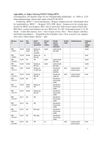
November 2023 in “Viking” Shoes in Borgund were mainly made from cow leather, with some horse, goat, and possibly sheep leather.
 January 2025 in “International Journal of Dermatology Venereology and Leprosy Sciences”
 Obesity worsens skin health and losing weight can improve skin conditions.
 78 citations
,
August 2002 in “Experimental Dermatology”
78 citations
,
August 2002 in “Experimental Dermatology” Researchers developed a quick and easy way to get and grow cells from the base of human hair follicles.
 September 2009 in “Pediatric Dermatology”
 UVB is good for a skin condition in Asian kids, a lotion works for head lice, a drug helps with a skin blistering disorder, a foam reduces itchiness in skin inflammation, birthmarks can be more widespread, and criteria for a neurocutaneous disorder were agreed upon.
 47 citations
,
May 1999 in “Reproduction”
47 citations
,
May 1999 in “Reproduction” Goat reproductive activity and coat growth are affected by light and temperature, with temperature altering prolactin levels and hair growth, but not melatonin or estrus onset.