Search
for
Sort by
Research
240-270 / 1000+ results
research Imaging of Photo-Damaged Hair with a Differential Phase Scanning X-Ray Microscopy
Sunlight and chemical treatments change hair's internal structure differently, needing specific care.
research Interaction of polypeptides with hair in different reducing environments
Small KP peptide improves hair without reducing agents, while larger proteins need them for better results.
research Restoring dry, damaged hair with a novel natural wheat protein and wheat germ oil– containing shampoo and conditioner line
The shampoo and conditioner improved dry, damaged hair significantly after three uses.
research Replenishing amino acids in damaged hair
Adding amino acids to damaged hair can improve its strength and appearance.
research Enzymatic phosphorylation of hair keratin enhances fast adsorption of cationic moieties
Enzymatic phosphorylation of hair keratin improves the effectiveness of hair products with cationic ingredients.
research 1103 Derinat extends hair cycle at anagen phase by decreasing the level of TRPCs-mediated intracellular ROS accumulation in skin
Derinat helps extend hair growth by reducing harmful molecules in skin cells.

research Riboflavin-Sensitized Photo-Acceleration of Food-Grade Pigment Formation: Kinetic Insights, Mechanistic Analysis, and Application in Rapid Hair Coloration
Riboflavin with blue light speeds up hair dyeing, making it faster, safer, and long-lasting with less hair damage.
research Finasteride < Rec INN; BAN; USAN >
research 75176 A selenium disulfide-based shampoo rebalances the scalp microbiome of subjects of any hair type
research Transparent silicone‐free shampoo containing proteins with strong hair conditioning properties
The shampoo improves hair conditioning without using silicone.

research Human hair keratin responds to oxidative stress via reactive sulfur and supersulfides
Human hair strength and health are linked to sulfur compounds that can be reduced by stress but improved with sulfur supplements.

research Damaged Hair
To repair damaged hair, use products with proteins, lipids, and moisture like keratin, citric acid, and oils.
research Minoxidil
research Analisis Morfologi Rambut Sebelum dan Sesudah Rebonding Menggunakan Scanning Electron Microscopy (SEM)
Rebonding damages hair cuticles, causing erosion and cracks.
research Simultaneous Quantification of Dexpanthenol and Resorcinol from Hair Care Formulation Using Liquid Chromatography: Method Development and Validation
Researchers created a reliable method to measure dexpanthenol and resorcinol in hair products.
research Mechanistic Aspects of African Hair Relaxation
Relaxers straighten African hair by breaking down its helical structure using strong bases.
research Hair: Its structure and response to cosmetic preparations
Hair can be damaged by daily routines, but protein-based products can protect and improve it.
research Prooxidant and antioxidant action of 4-(4-phenoxybenzoyl)benzoic acid derivatives
4-(4-Phenoxybenzoyl)benzoic acid derivatives can both increase and decrease certain types of reactive oxygen species, and may be relevant to hair loss.

research Novel Compounds for Hair Repair: Chemical Characterization and In Vitro Analysis of Thiol Cross-Linking Agents
APA is a promising new compound for repairing damaged hair, outperforming Olaplex® in strength and elasticity.
research Structural investigation on damaged hair keratin treated with α,β-unsaturated Michael acceptors used as repairing agents
Treatments improved hair surface and scale structure but didn't increase certain bonds in the hair cortex.
research Hair Styling: Technology and Formulations
Hair styling products and tools help improve hair's look and manageability but can damage hair if used incorrectly.
research BH12 Efficacy and safety of hair gloss treatments: a systematic review of licensed products in the UK
Licensed hair gloss products improve shine and smoothness but require stricter regulation to ensure safety.
research Realización multicámara: el mezclador, el corazón del estudio de televisión
The spray makes hair styling easier and less greasy, improving minoxidil use.
research Reproduction Mechanism of SS Cross-Links in Permed Hair by the Washing after Reduction with Thioglycolic Acid
Washing permed hair after using thioglycolic acid helps reform strong bonds, making hair stronger.
research Enzymatic Method for Assessing Hair Damage with Reduction and Subsequent Oxidation
Permed hair degrades faster and shows more damage after protease treatment compared to untreated hair.
research Hair vibrancy: A quantitative multi‐modal approach bridging consumer perception, expert and instrumental evaluation
Hair vibrancy involves how hair looks and feels, helping create better hair products.
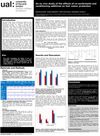
research An ex vivo study of the effects of co-surfactants and conditioning additives on hair colour protection
Certain ingredients can help protect hair color.
research Reconnection of cysteine in reduced hair with alkylene dimaleates via thiol‐Michael click chemistry
A new method using 1,4-n-butylene dimaleate effectively repairs and strengthens damaged hair.
research New keratin isolates: actives for natural hair protection.
Keratin helps protect and strengthen hair, reducing damage and color fading.