 97 citations
,
November 1986 in “Journal of Steroid Biochemistry”
97 citations
,
November 1986 in “Journal of Steroid Biochemistry” Antiandrogens affect androgen-dependent body functions and are used for various medical conditions, with some risks like fetus feminization, but new forms like 17α-propylmesterolone show promise for acne without systemic effects.
 October 2023 in “Journal of the Endocrine Society”
 A woman's excessive hair growth was linked to a rare case of high testosterone caused by a prolactin-producing pituitary tumor.
 10 citations
,
January 2004 in “KARGER eBooks”
10 citations
,
January 2004 in “KARGER eBooks” Diagnosing PCOS in teenage girls is tricky and requires careful evaluation and management.
July 1998 in “Annals of saudi medicine/Annals of Saudi medicine” A misdiagnosed case of HAIR-AN syndrome led to unnecessary surgeries and highlighted the importance of correct diagnosis and treatment.
 January 1983 in “Elsevier eBooks”
 Cyproterone acetate is used to treat conditions like prostate cancer, early puberty, excessive sexual drive, and female androgenization by affecting androgen functions and suppressing certain hormones.
7 citations
,
September 1988 in “Baillière's clinical obstetrics and gynaecology” Cyproterone acetate is effective for treating hirsutism and acne in women by blocking androgens in the skin and also works as a contraceptive.
8 citations
,
April 1991 in “European journal of endocrinology” 3α-AdiolG is a good marker for androgen activity in women with excessive hair growth and decreases with anti-androgen treatment.
 January 2022 in “Springer eBooks”
 The document discusses how to diagnose and treat conditions like acne, excessive hair growth, and female pattern hair loss related to hormone imbalances.
 11 citations
,
May 1996 in “The Journal of clinical endocrinology and metabolism/Journal of clinical endocrinology & metabolism”
11 citations
,
May 1996 in “The Journal of clinical endocrinology and metabolism/Journal of clinical endocrinology & metabolism” The main enzyme found in pubic skin that could be targeted to treat excessive hair growth is 5 alpha-R2.
 4 citations
,
October 1988 in “Clinics in Dermatology”
4 citations
,
October 1988 in “Clinics in Dermatology” Dihydrotestosterone (DHT) is crucial for conditions like male-pattern baldness and acne, and measuring a byproduct, androstanediol glucuronide, is a better way to assess DHT's effects than DHT blood levels.
2 citations
,
January 1981 Antiandrogens can treat excess body hair and hair loss by blocking male hormones.
October 1995 in “Pediatric Research”  11 citations
,
January 1985 in “Archives of Dermatology”
11 citations
,
January 1985 in “Archives of Dermatology” Topical antiandrogens might treat skin issues like hair growth, balding, and acne, but finding effective treatments without side effects is challenging.
 2 citations
,
August 2023 in “Journal of Endocrinological Investigation”
2 citations
,
August 2023 in “Journal of Endocrinological Investigation” Excess maternal androgens can cause heart problems in offspring.
 June 1995 in “International Journal of Gynecology & Obstetrics”
 Women with hair loss have higher androgen levels, while men with early balding have altered androgen ratios.
January 2021 in “Deep Blue (University of Michigan)” Androgen receptors in the brain affect metabolism and reproduction differently in males and females, and may help manage PCOS symptoms in females.
 55 citations
,
May 2019 in “Journal of Endocrinology”
55 citations
,
May 2019 in “Journal of Endocrinology” Androgens are important for female fertility and could help in IVF treatment, but also play a role in causing PCOS.
 20 citations
,
January 2012 in “International Journal of Trichology”
20 citations
,
January 2012 in “International Journal of Trichology” Most cases of excessive hair growth in women are caused by polycystic ovarian syndrome and are linked to higher free testosterone levels.
 42 citations
,
April 2013 in “Steroids”
42 citations
,
April 2013 in “Steroids” Non-classic congenital adrenal hyperplasia is a common disorder causing symptoms like acne and infertility, and it's managed based on symptoms, not just test results. Treatment can improve fertility and reduce miscarriage risk.
13 citations
,
September 2013 in “Steroids” The DHT immunoassay is unreliable due to high cross-reactivity with testosterone.
 April 2021 in “Journal of Investigative Dermatology”
 Transgender patients on hormone therapy experience more acne and hair loss, but less skin inflammation.
December 2016 in “Journal of Pakistan Association of Dermatologists” Rare conditions can cause excessive hair growth in women, but proper diagnosis and treatment can manage symptoms.
July 2025 in “Journal of Investigative Dermatology” Androgens reduce THY1 in skin cells, leading to less fat, more fibrosis, and worse healing in males.
 7 citations
,
January 1994 in “Annual Reports in Medicinal Chemistry”
7 citations
,
January 1994 in “Annual Reports in Medicinal Chemistry” Understanding how androgens work is key for creating new treatments for prostate issues and hair/skin conditions.
 January 2025 in “Journal of Clinical Medicine”
 PCOS is the most common cause of hirsutism, and personalized treatment is important.
 1 citations
,
February 2016 in “European Journal of Obstetrics & Gynecology and Reproductive Biology”
1 citations
,
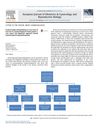
February 2016 in “European Journal of Obstetrics & Gynecology and Reproductive Biology” An 84-year-old woman's hair loss was due to a rare condition called Leydig cell hyperplasia, which was treated with surgery.
 13 citations
,
January 2012 in “International Journal of Trichology”
13 citations
,
January 2012 in “International Journal of Trichology” Most hirsutism patients had idiopathic hirsutism or PCOS, with hormonal imbalances and signs like acne and irregular periods.
21 citations
,
December 2015 in “Development Growth & Differentiation” DHT is crucial for urethral formation, and its disruption can affect masculinization and lead to hypospadias.
 20 citations
,
March 2017 in “Reproductive Biology and Endocrinology”
20 citations
,
March 2017 in “Reproductive Biology and Endocrinology” Women with PCOS have higher 5α-reductase activity, which may be linked to insulin resistance.
 2 citations
,
August 2011 in “Revista Medica De Chile”
2 citations
,
August 2011 in “Revista Medica De Chile” A postmenopausal woman's high testosterone levels and symptoms improved after removing a tumor from her ovary.