March 2017 in “Current dermatology reports” Topical JAK inhibitors can effectively treat alopecia areata and vitiligo by modulating immune responses.
September 2006 in “Experimental Dermatology” Targeting multiple pathways and understanding genetic mutations are crucial for effective melanoma therapy.
3 citations
,
December 2000 in “PubMed” CS-891 may effectively treat hair loss by blocking enzymes in hair follicles.
47 citations
,
January 2003 in “Current opinion in urology” A new drug, dutasteride, is at least as effective as the older drug, finasteride, for treating enlarged prostate and may have additional uses.
 November 2023 in “The journal of investigative dermatology/Journal of investigative dermatology”
 Cancer treatment drugs can cause permanent hair loss by damaging hair follicle stem cells, but a specific inhibitor might reverse this effect.
 February 2026 in “Revista Eletrônica Polidisciplinar Voos.”
 A balanced approach using dutasteride and Serenoa repens can improve hair transplant success by protecting follicles and minimizing side effects.
 15 citations
,
February 2021 in “Scientific Reports”
15 citations
,
February 2021 in “Scientific Reports” RNA aptamers can specifically block FGF5-related cell growth, potentially treating related diseases or hair disorders.
24 citations
,
January 2023 in “Cancer Research” AMPK activation may reduce melanoma risk in red-haired individuals.
5 citations
,
April 2019 in “Journal of Investigative Dermatology” Oral JAK inhibitors improved alopecia areata by modulating immune responses and boosting hair growth.
 April 2025 in “Vestnik dermatologii i venerologii”
 JAK inhibitors like tofacitinib are effective and safer for severe alopecia areata than glucocorticosteroids.
1 citations
,
March 2023 in “Journal of the American College of Cardiology” June 2020 in “Dermatologic therapy” Using Janus kinase inhibitors (JAKi) in COVID-19 treatment requires careful consideration due to their immunosuppressive effects.
 September 2023 in “International Journal of Applied Pharmaceutics”
 The formulated gel is a promising treatment for alopecia areata.
 January 2025 in “Journal of Cutaneous Immunology and Allergy”
 Baricitinib is effective for treating severe alopecia areata in Japanese patients, but long-term safety needs more study.
1 citations
,
April 2025 in “Skin Health and Disease” Abrocitinib is being evaluated for safety and effectiveness in treating moderate to severe atopic dermatitis.
 March 2021 in “Clin-Alert”
 The FDA warned about safety issues with remdesivir and tofacitinib, finasteride is linked to suicidality, potent topical corticosteroids increase osteoporosis risk, henna can cause hemolysis in G6PD deficiency, chemotherapeutic agents can cause adverse reactions, drug interactions are common in cancer patients, ketamine can reduce at-risk drinking, high dose of anticholinergics increases dementia risk in Parkinson's patients, and prenatal exposure to second-generation antipsychotics increases pregnancy complications.
 1 citations
,
May 2025 in “Frontiers in Medicine”
1 citations
,
May 2025 in “Frontiers in Medicine” Dual-targeted therapy is effective and safe for difficult-to-treat inflammatory bowel disease.
3 citations
,
April 2021 in “Oncology Times” Trodelvy™ helped some patients with advanced breast cancer, but had side effects.
March 2003 in “Oncology Times” Further research is needed to develop effective cancer prevention strategies.
June 2025 in “Revista Foco” JAK inhibitors effectively treat severe alopecia areata with manageable side effects.
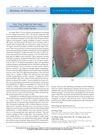 35 citations
,
May 2008 in “Journal of Clinical Oncology”
35 citations
,
May 2008 in “Journal of Clinical Oncology” A cancer patient died from a severe skin reaction after taking the drug cetuximab.
 October 2023 in “Naunyn-Schmiedeberg's Archives of Pharmacology”
 Custom software found that common allergy drugs might have new uses for various conditions and could improve survival in some cancers.
 68 citations
,
April 2002 in “Journal of Alternative and Complementary Medicine”
68 citations
,
April 2002 in “Journal of Alternative and Complementary Medicine” Natural 5AR inhibitors effectively improve mild to moderate hair loss in men.
52 citations
,
July 1998 in “Urology” Liarozole may be more effective than cyproterone acetate for treating advanced prostate cancer, with better PSA response and survival rates, while maintaining quality of life.
Baricitinib works better than methotrexate for severe alopecia areata.
 December 2020 in “Innovation in aging”
 Rapamycin treatment helps reduce brain inflammation and symptoms of mitochondrial disease by blocking specific pathways in mice.
High CCL11 levels may indicate poor response to baricitinib in severe alopecia areata.
20 citations
,
January 2024 in “Journal of the European Academy of Dermatology and Venereology” Baricitinib is the most effective treatment for alopecia areata.
88 citations
,
August 2019 in “Frontiers in immunology” Tyrosine kinases are important in skin autoimmune diseases and could be targets for new treatments.
22 citations
,
November 2002 in “Clinical journal of oncology nursing” Arsenic trioxide effectively treats relapsed acute promyelocytic leukemia with manageable side effects.