 14 citations
,
January 2006 in “Australasian journal of dermatology”
14 citations
,
January 2006 in “Australasian journal of dermatology” Alopecia areata can look like frontal fibrosing alopecia, making diagnosis hard.
 12 citations
,
March 2018 in “Anais brasileiros de dermatologia/Anais Brasileiros de Dermatologia”
12 citations
,
March 2018 in “Anais brasileiros de dermatologia/Anais Brasileiros de Dermatologia” A patient had both chronic cutaneous lupus erythematosus and frontal fibrosing alopecia.
 11 citations
,
February 1980 in “BMJ. British medical journal”
11 citations
,
February 1980 in “BMJ. British medical journal” Hirsutism is common body hair growth due to genetics and hormones, and while not a disease, it can be distressing; virilisation includes hirsutism with other male traits and needs medical attention.
 9 citations
,
January 2020 in “Postepy Dermatologii I Alergologii”
9 citations
,
January 2020 in “Postepy Dermatologii I Alergologii” Frontal fibrosing alopecia is a poorly understood condition with increasing cases and unclear treatment effectiveness.
 8 citations
,
October 2019 in “International Journal of Dermatology”
8 citations
,
October 2019 in “International Journal of Dermatology” The study concluded that combination therapy with topical corticosteroids and hydroxychloroquine or finasteride is effective in treating Frontal fibrosing alopecia in Asians.
 3 citations
,
February 2022 in “Dermatology practical & conceptual”
3 citations
,
February 2022 in “Dermatology practical & conceptual” The study concludes that early diagnosis of Frontal Fibrosing Alopecia is important, as it is often found in postmenopausal women, may be related to Lichen Planopilaris, and eyebrow hair loss is a common sign.
 3 citations
,
September 2017 in “Pediatric Dermatology”
3 citations
,
September 2017 in “Pediatric Dermatology” Avoiding allergens can improve skin and hair conditions in adults with allergic reactions.
3 citations
,
January 2002 in “Actas Dermo-Sifiliográficas” Excessive minoxidil use can damage hair structure.
2 citations
,
June 2021 in “Sultan Qaboos University medical journal” Familial frontal fibrosing alopecia is rare, mostly affects women, and often occurs between sisters or mother-daughter pairs.
 1 citations
,
June 2024 in “British Journal of Dermatology”
1 citations
,
June 2024 in “British Journal of Dermatology” Mycophenolate mofetil effectively improved skin pigmentation and itching in a woman with lichen planus pigmentosus and frontal fibrosing alopecia.
 July 2026 in “Innovations in Pharmaceutical Sciences & Care”
 Combining mesotherapy injections with minoxidil improved hair growth and appearance.
November 2024 in “Dermatology and Therapy” Dermatologists should carefully choose treatments for FFA to avoid worsening the condition.
 May 2024 in “International Seven Journal of Multidisciplinary”
 More research is needed to better understand and treat Fibrosing Frontal Alopecia.
 November 2023 in “The journal of investigative dermatology/Journal of investigative dermatology”
 Early treatment and multidisciplinary care are key to managing Frontal Fibrosing Alopecia and preventing further hair loss.
September 2023 in “Journal of the American Academy of Dermatology” Current guidelines may overlook beard and sideburn involvement in diagnosing frontal fibrosing alopecia in men.
 June 2021 in “Pakistan Journal of Medical and Health Sciences”
 The study found no link between hair loss, stress, and smoking among men in Lahore.
 October 2020 in “International Journal of Research in Dermatology”
 The review suggests more research is needed to understand Frontal fibrosing alopecia, a condition causing hairline recession in postmenopausal women.
Early diagnosis and treatment of frontal fibrosing alopecia are crucial to prevent permanent hair loss.
 January 2016 in “Journal of The American Academy of Dermatology”
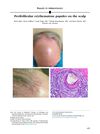
 The woman has a type of scarring hair loss with red bumps around hair follicles.
 May 2014 in “JAMA Dermatology”
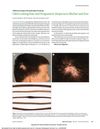
 Mother and son diagnosed with a rare genetic hair loss condition with no effective treatment.
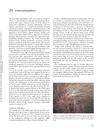 April 2012 in “Informa Healthcare eBooks”
 Lichen planopilaris is a rare, chronic condition causing hair loss, mainly in middle-aged women, and early treatment is important to prevent permanent baldness.
 August 2015 in “Dermatología Argentina”
 Frontal fibrosing alopecia causes hairline recession and eyebrow loss in postmenopausal women.
 91 citations
,
May 2003 in “American Journal of Pathology”
91 citations
,
May 2003 in “American Journal of Pathology” Prolactin affects hair growth cycles and can cause early hair follicle regression.
43 citations
,
December 2006 in “The American journal of pathology” Edar signaling is crucial for controlling hair growth and regression.
 12 citations
,
January 2016 in “Skin appendage disorders”
12 citations
,
January 2016 in “Skin appendage disorders” Repeated botulinum toxin injections for forehead wrinkles may cause hairline recession in some women.
10 citations
,
February 2019 in “Journal of cellular physiology” TGF-β2 helps yak hair follicles enter the regression phase, while HSP70 tries to prevent it.
 1 citations
,
April 2021 in “bioRxiv (Cold Spring Harbor Laboratory)”
1 citations
,
April 2021 in “bioRxiv (Cold Spring Harbor Laboratory)” RD26 controls root hair growth during drought by repressing key genes, helping plants save energy.
 64 citations
,
March 2005 in “Journal of Investigative Dermatology”
64 citations
,
March 2005 in “Journal of Investigative Dermatology” Brain-Derived Neurotrophic Factor (BDNF) slows down hair growth and promotes hair follicle regression.
 April 2023 in “The journal of investigative dermatology/Journal of investigative dermatology”
 DKK2 and SOSTDC1 together are necessary for the normal timing of the first regression phase in the hair growth cycle.
29 citations
,
March 2016 in “Dermatologic therapy” Platelet-rich plasma may successfully treat lichen planopillaris, as shown by one patient's symptom regression.