 June 2024 in “Neuromuscular Disorders”
 Baricitinib successfully treated myasthenia gravis and alopecia in a patient.
31 citations
,
November 1965 in “Journal of Mammalogy” The pituitary gland is crucial for normal mink fur cycles.
![[4-t-Butylphenyl]-N-(4-imidazol-1-yl phenyl)sulfonamide (ISCK03) Inhibits SCF/c-kit Signaling in 501mel Human Melanoma Cells and Abolishes Melanin Production in Mice and Brownish Guinea Pigs](/images/assets/4eb017dc-711d-4926-bcd0-c3b8f48e3a99/small/19974.jpg) 26 citations
,
July 2007 in “Biochemical Pharmacology”
26 citations
,
July 2007 in “Biochemical Pharmacology” ISCK03 stops melanin production in human melanoma cells and lightens skin color in mice and guinea pigs.
 19 citations
,
May 1984 in “Digestive diseases and sciences”
19 citations
,
May 1984 in “Digestive diseases and sciences” A young woman's Cronkhite-Canada syndrome improved on its own after she gave birth.
2 citations
,
January 2010 in “Case Reports in Medicine” Relapsing polychondritis might be linked to alopecia areata due to immune system factors.
 2 citations
,
February 1981 in “Journal of the Royal Society of Medicine”
2 citations
,
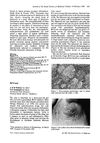
February 1981 in “Journal of the Royal Society of Medicine” A three-year-old girl survived a rare serious infection caused by BCG vaccination, which improved after treatment with a leprosy drug.
October 2025 in “OPAL (Open@LaTrobe) (La Trobe University)” Early genetic testing and zinc therapy are crucial for managing acrodermatitis enteropathica in infants.
 April 2024 in “JEADV clinical practice”
 Upadacitinib significantly improved both rheumatoid arthritis and alopecia areata in a patient.
May 2022 in “Journal of Cutaneous Immunology and Allergy” Asymptomatic cats can spread scalp infections to humans.
Anifrolumab helped a woman with severe lupus achieve remission when other treatments failed.
 2 citations
,
May 2001 in “Current problems in dermatology”
2 citations
,
May 2001 in “Current problems in dermatology” The conclusion is that effectively treating hair disorders is difficult due to the complex factors affecting hair growth and more research is needed to improve treatments.
 17 citations
,
October 2002 in “Dermatologic Surgery”
17 citations
,
October 2002 in “Dermatologic Surgery” Successful surgical hair restoration requires careful planning, precise execution, and proper aftercare, using techniques like follicular unit transplantation and correct hair angling for best cosmetic results.
 10 citations
,
July 2019 in “Facial Plastic Surgery Clinics of North America”
10 citations
,
July 2019 in “Facial Plastic Surgery Clinics of North America” Facial hair transplantation has improved to give natural-looking beards and eyebrows with proper technique and patient care.
 8 citations
,
January 2008 in “Journal of Cosmetic and Laser Therapy”
8 citations
,
January 2008 in “Journal of Cosmetic and Laser Therapy” Hair transplantation for men has improved, offering natural, lasting results, and may be enhanced by certain medications and future technologies.
 1 citations
,
May 1965 in “Medical Clinics of North America”
1 citations
,
May 1965 in “Medical Clinics of North America” Hair growth dysfunction involves various conditions with limited treatment options.
 178 citations
,
October 2001 in “Genes & Development”
178 citations
,
October 2001 in “Genes & Development” The mutated hairless gene causes hair loss by acting as a new type of corepressor affecting thyroid hormone receptors.
 116 citations
,
September 2001 in “Journal of The American Academy of Dermatology”
116 citations
,
September 2001 in “Journal of The American Academy of Dermatology” Hair loss occurs due to fewer papillary cells, smaller follicles, and shorter growth phases.
 69 citations
,
February 2002 in “International Journal of Cosmetic Science”
69 citations
,
February 2002 in “International Journal of Cosmetic Science” Some hair loss can be treated, especially in women due to nutrition, but some types remain untreatable.
 2 citations
,
December 2004 in “Medicine”
2 citations
,
December 2004 in “Medicine” Different hair and scalp disorders cause hair loss or excess hair growth, with various treatments available depending on the specific condition.
 August 2016 in “Journal of Investigative Dermatology”
 Researchers found a new genetic mutation linked to a hair condition in a Japanese boy.
 15 citations
,
December 2011 in “Journal of the European Academy of Dermatology and Venereology”
15 citations
,
December 2011 in “Journal of the European Academy of Dermatology and Venereology” Hair loss in systemic lupus erythematosus patients is unique and improves with treatment.
 4 citations
,
July 2013 in “Journal of dermatology”
4 citations
,
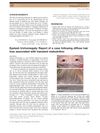
July 2013 in “Journal of dermatology” Malnutrition can cause unusual eyelash growth and hair loss.
 3 citations
,
January 2021 in “Skin appendage disorders”
3 citations
,
January 2021 in “Skin appendage disorders” Hair color is not a risk factor for developing alopecia areata.

Long bean leaf juice significantly promotes hair growth.

The new all-natural shampoo treatment can prevent hair loss and encourage hair regrowth in new mothers.
 53 citations
,
January 2007 in “Dermatology”
53 citations
,
January 2007 in “Dermatology” Chemotherapy often causes patterned hair loss, with some scalp areas more resistant to hair loss than others.
 5 citations
,
November 2008 in “Advances in Dermatology”
5 citations
,
November 2008 in “Advances in Dermatology” The review highlights the importance of stem cells in hair health and suggests new treatment strategies for hair loss conditions.
 April 2018 in “Dermatologic Surgery”
 A new surgical technique using vellus hair grafts effectively treated vitiligo without causing unwanted hair growth.
 32 citations
,
January 2010 in “Dermatology”
32 citations
,
January 2010 in “Dermatology” Combining laser hair removal with topical eflornithine is recommended for better results in treating unwanted facial hair.
 19 citations
,
April 2010 in “Journal of Dermatological Treatment”
19 citations
,
April 2010 in “Journal of Dermatological Treatment” Partial hair follicle extraction can effectively double the number of hair follicles for transplants, with most surviving and growing normally after a year.