 421 citations
,
April 2012 in “The New England Journal of Medicine”
421 citations
,
April 2012 in “The New England Journal of Medicine” Alopecia Areata is an autoimmune condition causing hair loss with no cure and treatments that often don't work well.
 49 citations
,
January 2018 in “Immunology”
49 citations
,
January 2018 in “Immunology” Psoriasis is linked to other autoimmune diseases and involves a specific inflammatory process.
24 citations
,
March 2022 in “Stem Cell Research & Therapy” Dendritic epidermal T cells help wounds heal faster by boosting skin stem cell growth.
 22 citations
,
April 1998 in “Dermatologic Clinics”
22 citations
,
April 1998 in “Dermatologic Clinics” Interferons are effective for some skin conditions and cancers, but can have side effects and need more research for optimal use.
6 citations
,
January 2023 in “International journal of molecular sciences” Mast cells and CD8 T cells interact closely in skin diseases, affecting each other's behavior and contributing to conditions like psoriasis and eczema.
 7 citations
,
May 2020 in “Trends in molecular medicine”
7 citations
,
May 2020 in “Trends in molecular medicine” The document concludes that the immune-inhibitory environment of the hair follicle may prevent melanoma development.
 23 citations
,
April 2021 in “Journal of Clinical Medicine”
23 citations
,
April 2021 in “Journal of Clinical Medicine” Frontal Fibrosing Alopecia's cause is unclear, affects mainly postmenopausal women, and current treatments focus on stopping hair loss rather than regrowth.
3 citations
,
March 2024 in “Viruses” γδ T cells are essential for wound healing after poxvirus infection.
 28 citations
,
October 2019 in “Seminars in Cell & Developmental Biology”
28 citations
,
October 2019 in “Seminars in Cell & Developmental Biology” Hair can regrow in large wounds through a process similar to how hair forms in embryos, and understanding this could lead to new treatments for hair loss or scarring.
 5 citations
,
June 2022 in “Frontiers in immunology”
5 citations
,
June 2022 in “Frontiers in immunology” Increasing Treg cells in the skin does not cure hair loss from alopecia areata in mice.
 191 citations
,
May 2018 in “British journal of dermatology/British journal of dermatology, Supplement”
191 citations
,
May 2018 in “British journal of dermatology/British journal of dermatology, Supplement” Alopecia areata is likely an autoimmune disease with unclear triggers, involving various immune cells and molecules, and currently has no cure.
107 citations
,
October 2022 in “Frontiers in Immunology” T cells and inflammation are crucial in atherosclerosis, with anti-inflammatory treatments showing promise.
 59 citations
,
June 2022 in “Frontiers in medicine”
59 citations
,
June 2022 in “Frontiers in medicine” There are still challenges in diagnosing and treating chronic skin diseases, but there is hope for future improvements.
14 citations
,
March 2017 in “Genes and immunity” Certain microRNAs may help treat alopecia areata by targeting immune pathways.
 January 2024 in “Frontiers in immunology”
 Histone modification is key in treating chronic inflammatory skin diseases.
 107 citations
,
August 2012 in “Seminars in Cell & Developmental Biology”
107 citations
,
August 2012 in “Seminars in Cell & Developmental Biology” The document concludes that understanding the sebaceous gland's development and function is key to addressing related skin diseases and aging effects.
 8 citations
,
October 1988 in “Clinics in Dermatology”
8 citations
,
October 1988 in “Clinics in Dermatology” Current research explores hair growth drugs, while future research aims for personalized treatments.
 2 citations
,
August 2022 in “Frontiers in Veterinary Science”
2 citations
,
August 2022 in “Frontiers in Veterinary Science” The research found key RNA networks that may control hair growth in cashmere goats.
 September 2020 in “bioRxiv (Cold Spring Harbor Laboratory)”
 Different fish use the same genes to regrow teeth.
 306 citations
,
April 2019 in “International Journal of Molecular Sciences”
306 citations
,
April 2019 in “International Journal of Molecular Sciences” The skin has a complex immune system that is essential for protection and healing, requiring more research for better wound treatment.
 23 citations
,
July 2007 in “The journal of investigative dermatology/Journal of investigative dermatology”
23 citations
,
July 2007 in “The journal of investigative dermatology/Journal of investigative dermatology” Hair follicle bulge cells don't help skin regrow after glucocorticoid damage; interfollicular epidermis cells do.
 139 citations
,
February 2010 in “The journal of allergy and clinical immunology/Journal of allergy and clinical immunology/The journal of allergy and clinical immunology”
139 citations
,
February 2010 in “The journal of allergy and clinical immunology/Journal of allergy and clinical immunology/The journal of allergy and clinical immunology” Transplant success has improved with better immunosuppressive drugs and donor matching.
 40 citations
,
August 2022 in “Frontiers in immunology”
40 citations
,
August 2022 in “Frontiers in immunology” Blocking JAK/STAT pathways can help treat hair loss from alopecia areata.
 30 citations
,
May 2016 in “Expert Opinion on Biological Therapy”
30 citations
,
May 2016 in “Expert Opinion on Biological Therapy” New treatments targeting immune pathways show promise for severe hair loss but need more research for safety and effectiveness.
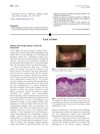 8 citations
,
December 2008 in “Journal of The American Academy of Dermatology”
8 citations
,
December 2008 in “Journal of The American Academy of Dermatology” Finasteride can cause a unique skin reaction on the penile shaft.
91 citations
,
August 2019 in “Frontiers in Microbiology” RpoS helps Borrelia burgdorferi survive in hosts and adapt to different environments.
 35 citations
,
May 2022 in “Baillière's best practice and research in clinical endocrinology and metabolism/Baillière's best practice & research. Clinical endocrinology & metabolism”
35 citations
,
May 2022 in “Baillière's best practice and research in clinical endocrinology and metabolism/Baillière's best practice & research. Clinical endocrinology & metabolism” Androgens like testosterone are important hormones for both men and women, made differently in each sex and affecting the body by regulating genes and quick interactions with cell components.
 May 2026 in “Research Square”
 The polyG fragment in Hoxc13 protein helps evolve mammalian skin and hair by enhancing gene interactions.
 January 2025 in “PLoS ONE”
 ING5 is crucial for stem cell maintenance and preventing certain cancers.
 January 2012 in “Methods in pharmacology and toxicology”
 Hair follicle culture helps study hair growth but has limitations in modeling the full hair cycle.