 July 2025 in “Indian Journal of Forensic Medicine & Toxicology”
 DNA phenotyping can predict physical traits like eye, hair, and skin color, improving forensic investigations.
21 citations
,
January 2006 in “Hormone Research in Paediatrics” A mutation in the VDR gene affects hair cycling without needing ligand binding.
 September 2025 in “Frontiers in Genetics”
 The method effectively extracts high-quality DNA from marmoset hair, avoiding blood chimerism.
 2 citations
,
January 2017 in “Journal of Biotechnology Research Center”
2 citations
,
January 2017 in “Journal of Biotechnology Research Center” Hair dyes affect DNA analysis results, with the prepFiler kit working best for hair with follicles.
 February 2024 in “bioRxiv (Cold Spring Harbor Laboratory)”
 Tandem repeats significantly influence hair color, especially darker shades, across different ancestries.
76 citations
,
January 1998 in “Mammalian Genome”  124 citations
,
September 1992 in “Endocrinology”
124 citations
,
September 1992 in “Endocrinology” The human type II 5α-reductase gene, linked to certain male health conditions, has a specific structure and low similarity to other related genes.
67 citations
,
August 2004 in “Endocrinology” A specific gene mutation causes vitamin D resistance, but certain vitamin D analogs might help.
 February 2026 in “Applied Biosciences”
 The study found potential new DNA patterns in fertility genes, but further testing is needed.
45 citations
,
December 2004 in “Forensic Science International” Laser microdissection helps get DNA from single hair follicles for better forensic analysis.
 54 citations
,
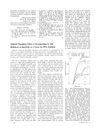
July 1967 in “Science”
54 citations
,
July 1967 in “Science” Decomposed tritiated thymidine is less accurate for DNA tracing, and hair changes can indicate malnutrition.
 April 2019 in “Journal of Investigative Dermatology”
 Non-coding RNA boosts retinoic acid production and signaling, aiding regeneration.
 September 2019 in “Journal of Investigative Dermatology”
 Specialized ribosomes affect aging in human skin cells.
 1 citations
,
May 2019 in “Cytotherapy”
1 citations
,
May 2019 in “Cytotherapy” The new ddPCR method reliably detects unwanted viruses in CAR-T cell products, ensuring their safety for patients.
 6 citations
,
June 2018 in “Journal of pediatric endocrinology & metabolism/Journal of pediatric endocrinology and metabolism”
6 citations
,
June 2018 in “Journal of pediatric endocrinology & metabolism/Journal of pediatric endocrinology and metabolism” Patients with the same genetic mutation for vitamin D-resistant rickets showed different symptoms but all improved with treatment except for hair loss.
January 2009 in “ScholarlyCommons (University of Pennsylvania)” The P133R mutation in AKR1D1 enzyme causes harmful bile acid buildup, explaining related health issues.
 4 citations
,
January 2017 in “Journal of pediatric endocrinology & metabolism/Journal of pediatric endocrinology and metabolism”
4 citations
,
January 2017 in “Journal of pediatric endocrinology & metabolism/Journal of pediatric endocrinology and metabolism” Two different mutations in the vitamin D receptor gene cause different symptoms and responses to treatment in Lebanese patients with hereditary rickets.
 76 citations
,
September 1992 in “Endocrinology”
76 citations
,
September 1992 in “Endocrinology” The human type II 5α-reductase gene has a specific structure important for understanding certain medical conditions.
 May 2026 in “Zenodo (CERN European Organization for Nuclear Research)”
 The EDAR V370A allele in East Asians likely evolved due to reliance on aquatic resources providing essential nutrients.
 May 2026 in “Zenodo (CERN European Organization for Nuclear Research)”
 The EDAR V370A allele in East Asians likely evolved due to reliance on aquatic resources providing essential nutrients.
January 2012 in “eScholarship (California Digital Library)” Hair and nails contain stable RNA, useful for personalized medicine and screening.
37 citations
,
October 2006 in “Archives of Biochemistry and Biophysics” A unique gene mutation causes vitamin D-resistant rickets without causing hair loss.
January 2026 in “American Journal of Medical Genetics Part A” A new genetic variant causes trichothiodystrophy in two brothers, but their mother may carry it without showing symptoms.
7 citations
,
June 2015 in “EMBO Reports” Forensic DNA phenotyping can help generate new leads in cold cases but faces accuracy, legal, and acceptance challenges.
January 2007 in “Journal of Southwest University” The ND1 gene of the Asian black bear Sichuan subspecies is similar to other bear species.
August 2024 in “Clinical & experimental pathology” Forensic DNA phenotyping can now predict more physical traits and ancestry from DNA, but further improvements are needed.
Machine learning improves DNA predictions for eye and hair color, but challenges remain for skin tone and facial features.
2 citations
,
January 2012 in “STARS (University of Central Florida)” Analyzing isotopes from different tissues can effectively reveal detailed life histories of individuals.
November 2024 in “Journal of Investigative Dermatology” 77 citations
,
March 2000 in “Journal of Investigative Dermatology” The research identified six functional hair keratin genes and four pseudogenes, providing insights into hair formation and gene organization.