1 citations
,
December 2016 in “Revista română de medicină de laborator” The NIPAL4 mutation c.527C>A is common in Romanian patients with autosomal recessive congenital ichthyosis.
March 2026 in “Journal of Investigative Dermatology” June 2025 in “Dermatologic Surgery” Surgery can effectively treat severe eyelid turning out caused by a rare skin disorder.
 7 citations
,
February 2004 in “Clinical and Experimental Ophthalmology”
7 citations
,
February 2004 in “Clinical and Experimental Ophthalmology” Finasteride, often used for hair loss, can potentially cause cataracts.
 April 2024 in “Rheumatology”
 A young woman with visual issues and other symptoms was diagnosed with lupus and antiphospholipid syndrome, and improved with treatment.
Retinoids can help treat skin pigmentation disorders by affecting melanin production.
September 2024 in “Dermatologica Sinica” Ponatinib can cause a rare skin reaction that resolves with topical treatment and temporary drug discontinuation.
 29 citations
,
July 2014 in “PLoS ONE”
29 citations
,
July 2014 in “PLoS ONE” Inactivating β-catenin is essential for chick retina regeneration.
71 citations
,
January 2011 in “Orphanet Journal of Rare Diseases” IFAP syndrome is a rare genetic disorder causing skin, hair, and eye issues, with limited treatment options.
 July 2025 in “Dermatology Practical & Conceptual”
 Topical eyedrops may cause eyelash whitening and skin lightening around the eyes.
 February 2018 in “BMJ case reports”
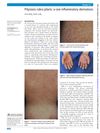
 An 18-year-old woman was diagnosed with a rare skin condition called Pityriasis rubra pilaris.
 December 2025 in “Dermatology Reports”
 Topical ruxolitinib quickly improves non-segmental vitiligo.
 1 citations
,
December 2018 in “Journal of genetic medicine”
1 citations
,
December 2018 in “Journal of genetic medicine” A small change in the TRPS1 gene leads to a less severe form of a syndrome affecting hair, nose, and finger development.
 2 citations
,
January 2019 in “Springer eBooks”
2 citations
,
January 2019 in “Springer eBooks” Segmental Vitiligo is a stable, early-onset form of vitiligo that responds well to early treatment and is ideal for repigmentation studies.
Isotretinoin effectively improved severe pityriasis rubra pilaris with complications.
22 citations
,
April 2012 in “The American journal of pathology” Loss of Msx2 function causes eye development issues similar to Peters anomaly.
 94 citations
,
October 2017 in “International Journal of Dermatology”
94 citations
,
October 2017 in “International Journal of Dermatology” Lichen planus pigmentosus causes dark skin patches and is treated by avoiding triggers and using anti-inflammatory medications.
9 citations
,
December 2015 in “Journal of Dermatological Case Reports” Narrowband UVB therapy significantly improved a child's rare skin condition.
 9 citations
,
April 2024 in “Cureus”
9 citations
,
April 2024 in “Cureus” Vogt-Koyanagi-Harada disease affects vision and skin, mainly in people with darker skin, and is treated with steroids and immunosuppressants.
February 2022 in “Authorea (Authorea)” PAON shows skin patterns due to genetic mosaicism.
 1 citations
,
June 2022 in “Chinese medical journal/Chinese Medical Journal”
1 citations
,
June 2022 in “Chinese medical journal/Chinese Medical Journal” Two new mutations in the CDH3 gene cause hair loss and vision problems in a young girl.
 38 citations
,
January 2023 in “International Journal of Medical Sciences”
38 citations
,
January 2023 in “International Journal of Medical Sciences” Red-light therapy may slow myopia progression better than traditional treatments.
1 citations
,
October 2019 in “International Journal of Dermatology and Venereology” Zebrafish help understand genetic causes of skin pigment disorders like albinism.
 July 1989 in “British Journal of Dermatology”
 Long-term use of canthaxanthin may cause reversible changes in the eye, including crystal deposits and altered vision responses.
 24 citations
,
September 2008 in “Clinical and experimental dermatology”
24 citations
,
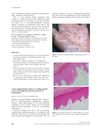
September 2008 in “Clinical and experimental dermatology” Repigmentation in vitiligo may come from melanocyte stem cells in the skin.
June 2023 in “Scholars journal of medical case reports” A black-skinned woman was diagnosed with Vogt-Koyanagi-Harada disease and treated with steroids and eye drops.
12 citations
,
September 2020 in “JAMA Dermatology” PRP patients show varied symptoms and need more research to understand related conditions.
5 citations
,
April 1984 in “Archives of Dermatology” Porphyria cutanea tarda causes skin issues due to an enzyme deficiency.
1 citations
,
November 2014 in “Actas dermo-sifiliográficas/Actas dermo-sifiliográficas”  January 2023 in “Revista Paulista de Pediatria”
 A Brazilian male with IFAP syndrome has a unique genetic variant causing his condition.