March 2023 in “SKIN The Journal of Cutaneous Medicine” Ritlecitinib helped most alopecia areata patients regrow hair by Week 48.
 April 2023 in “Dermatology practical & conceptual”
 Tacrolimus solution is effective and well-tolerated for treating inflammatory scalp conditions.
 5 citations
,
February 2024 in “Clinical Pharmacokinetics”
5 citations
,
February 2024 in “Clinical Pharmacokinetics” A 50 mg daily dose of ritlecitinib is effective for alopecia areata, with temporary treatment breaks up to 6 weeks not affecting results.
January 2016 in “Indian journal of drugs in dermatology” Acitretin effectively treats severe hypertrophic lichen planus.
2 citations
,
January 2025 in “Brazilian Journal of Medical and Biological Research” Vitamin D3 speeds up skin healing by helping skin stem cells grow and develop.
 51 citations
,
March 2014 in “Nature Communications”
51 citations
,
March 2014 in “Nature Communications” Skin tumor regression is helped by retinoic acid signaling blocking Wnt signaling.
April 2014 in “Investigative Ophthalmology & Visual Science” 17 citations
,
December 2013 in “Dermatologic Surgery” The treatment improved hair color in most vitiligo patients without major side effects.
15 citations
,
December 2009 in “PubMed” A child with eruptive vellus hair cysts showed some improvement with calcipotriene cream.
1 citations
,
January 2018 in “Indian Journal of Dermatology/Indian journal of dermatology” Retinoids might cause temporary hyperthyroidism in some patients.
 August 2019 in “International journal of contemporary pediatrics”
 A child with a rare type of rickets showed some improvement with high doses of vitamin D, but such conditions often respond poorly to treatment.
36 citations
,
June 2016 in “Journal of dermatological treatment” The combination therapy significantly improved Riehl’s melanosis in patients without serious side effects.
 7 citations
,
May 2022 in “International Journal of Environmental Research and Public Health”
7 citations
,
May 2022 in “International Journal of Environmental Research and Public Health” Isotretinoin therapy for acne can cause many reversible side effects, mainly mild skin conditions, and patient understanding of these effects can improve treatment adherence.
 8 citations
,
June 2019 in “Pharmaceutical research”
8 citations
,
June 2019 in “Pharmaceutical research” Applying heat with certain chemicals can greatly improve how well isotretinoin gets into the skin through hair follicles.
1 citations
,
August 2023 in “Journal of Cutaneous Medicine and Surgery” Anthralin 0.2% is effective for hair regrowth in children with alopecia areata.
 3 citations
,
February 2016 in “Dermatologic Therapy”
3 citations
,
February 2016 in “Dermatologic Therapy” Using minoxidil and tretinoin on the skin, along with oral vitamin D, improved hair thickness and density in two girls with woolly hair.
June 2026 in “Skin Appendage Disorders” Tretinoin may help some who don't respond to minoxidil alone, but it's not a first choice due to possible irritation.
26 citations
,
January 2005 in “PubMed” RUM-loaded SLN shows promise for treating acne and hair loss topically.
December 2012 in “http://isrctn.org/>”  December 2025 in “Dermatology Reports”
 Topical ruxolitinib quickly improves non-segmental vitiligo.
May 2025 in “CPT Pharmacometrics & Systems Pharmacology” A 50 mg non-loading dose of ritlecitinib is safe for adults and adolescents.
52 citations
,
February 2009 in “Journal of the American Academy of Dermatology” A 93-year-old woman developed a rare scalp condition after therapy, which improved with steroids, not antibiotics.
44 citations
,
October 2009 in “Journal of the American Academy of Dermatology” Topical bexarotene 1% gel might help regrow hair in alopecia areata and is generally safe.
 January 2016 in “International journal of basic and clinical pharmacology”
 Steroid use can cause a rare eye condition called central serous retinopathy, which can lead to permanent vision damage.
 May 2024 in “Pigment International”
 Several treatments are effective for pigmentary disorders like vitiligo and melasma.
 14 citations
,
November 2009 in “Clinical and experimental dermatology”
14 citations
,
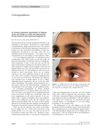
November 2009 in “Clinical and experimental dermatology” Topical prostaglandin E2 can help treat both alopecia areata and vitiligo.
 9 citations
,
December 2010 in “Journal of The European Academy of Dermatology and Venereology”
9 citations
,
December 2010 in “Journal of The European Academy of Dermatology and Venereology” Latanoprost therapy potentially caused a woman's white hair to darken again.
March 2023 in “Reactions Weekly” Daily use of emollients from birth may reduce atopic dermatitis in infants, but results are mixed.
 13 citations
,
January 2005 in “Chemical and Pharmaceutical Bulletin”
13 citations
,
January 2005 in “Chemical and Pharmaceutical Bulletin” Smaller substituents at C-17 enhance the inhibitory activity of progesterone derivatives on 5alpha-reductase.