 October 2018 in “Annals of oncology”
 Topical calcitriol (BPM31543) is safe for preventing hair loss from chemotherapy and shows some effectiveness.
 1 citations
,
May 2017 in “Journal of the American Academy of Dermatology”
1 citations
,
May 2017 in “Journal of the American Academy of Dermatology” Tofacitinib helped a teenager with severe hair loss grow hair back, but more research is needed.
 November 2025 in “Bioscientia Medicina Journal of Biomedicine and Translational Research”
 A combined treatment with microneedling and vitamin D3 led to complete hair regrowth in a woman with stubborn patch alopecia areata.
24 citations
,
February 2007 in “Hormone and metabolic research” The substance MK386 effectively blocked testosterone conversion and reduced cell growth in certain skin cells, but inhibiting 5α-reductase alone may not greatly improve acne.
55 citations
,
May 1985 in “Archives of Dermatology” Calcitriol-resistant rickets is an inherited disorder that affects hair growth and causes hair loss.
29 citations
,
December 1953 in “Journal of Investigative Dermatology”  157 citations
,
December 2015 in “Journal of the American Academy of Dermatology”
157 citations
,
December 2015 in “Journal of the American Academy of Dermatology” A man with vitiligo and alopecia saw quick skin and hair improvement with ruxolitinib, but skin color gains were lost after stopping treatment.
16 citations
,
April 2017 in “Pediatric Dermatology” Oral isotretinoin effectively treated the man's painful scalp condition and hair loss.
 April 2024 in “Journal of asthma and allergy”
 Abrocitinib effectively treated severe atopic dermatitis and mild alopecia areata in a 12-year-old boy after dupilumab failed.
 May 2023 in “International Journal of Trichology”
 Tofacitinib may be an effective and safe treatment for hair loss in teenagers with alopecia areata.
 3 citations
,
July 2017 in “International journal of medicine”
3 citations
,
July 2017 in “International journal of medicine” Intralesional triamcinolone acetonide effectively treats alopecia areata, as shown by significant improvements in hair regrowth and dermoscopic indicators.
July 2024 in “Journal of Investigative Dermatology” ATR12-351 ointment safely delivers LEKTI protein to the skin, reducing enzyme activity in Netherton syndrome.
 February 2025 in “International Journal of Molecular Sciences”
 RORA plays a key role in controlling seasonal hair molting by affecting hair follicle cell activity.
 January 2025 in “International journal of research and scientific innovation”
 The liposomal hydrogel shows promise for hair loss treatment but needs more testing.
 65 citations
,
February 2015 in “Neuro-Oncology”
65 citations
,
February 2015 in “Neuro-Oncology” Alisertib was found to be an effective and tolerable treatment for children with recurrent brain tumors.
January 2008 in “Linchuang pifuke zazhi” Betamethasone activates and increases the growth of certain skin cells from hair follicles.
52 citations
,
January 2016 in “Brazilian Journal of Medical and Biological Research” Combining glycyrrhizin and UVB light is most effective for improving vitiligo.
74 citations
,
February 2018 in “Journal of the American Academy of Dermatology”  34 citations
,
August 2002 in “British Journal of Dermatology”
34 citations
,
August 2002 in “British Journal of Dermatology” ALA-PDT is effective and safe for chronic X-ray dermatitis, providing complete or partial remission.
June 2026 in “British Journal of Dermatology” Ritlecitinib was approved for severe alopecia areata (AA) by NICE in March 2024, with additional guidance from BHNS and BAD. A retrospective audit across six regional dermatology centers assessed adherence to these guidelines. The study included 57 patients, all with severe AA, with some reclassified from moderate AA due to additional factors. The mean treatment duration was 12.6 months, and 47% had prior systemic therapy. Psychological assessments were documented in 58% of cases. After 36 weeks, 21 out of 41 patients had not achieved the desired SALT score, yet some continued treatment beyond guidelines. Most patients reported no adverse events. The audit found regional prescribing largely aligned with national guidance but highlighted the need for better psychological assessments and consistent SALT scoring to guide treatment continuation.
11 citations
,
November 2018 in “British Journal of Dermatology” Oxymetazoline cream 1.0% effectively reduces rosacea redness, and using baseline photos improves assessment accuracy.
 January 2024 in “Dermatologic therapy”
 Tofacitinib is a safe treatment for hair loss in children, but long-term use may be needed for best results.
 4 citations
,
February 2023 in “Journal of steroid biochemistry and molecular biology/The Journal of steroid biochemistry and molecular biology”
4 citations
,
February 2023 in “Journal of steroid biochemistry and molecular biology/The Journal of steroid biochemistry and molecular biology” The study found that certain mutations in the vitamin D receptor can cause rickets and potentially affect hair growth.
June 2025 in “Journal of Cutaneous Medicine and Surgery” 10 citations
,
June 2011 in “PubMed” Most skin care products are safe during pregnancy, but avoid hydroquinone and tretinoin.
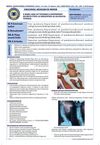 January 2023 in “PARIPEX INDIAN JOURNAL OF RESEARCH”
 Vitamin D Dependent Rickets Type-2A can cause complete hair loss and bone growth issues in infants.
 April 2017 in “The FASEB Journal”
 Eating more vitamin A changes hair growth-related proteins in mice, affecting hair cycle stages.
52 citations
,
August 1993 in “Clinical endocrinology” Intravenous and oral calcium effectively treated vitamin D dependent rickets type II, improving growth and bone health.
 24 citations
,
October 2018 in “JAAD Case Reports”
24 citations
,
October 2018 in “JAAD Case Reports” A woman's eyelash regrowth was successful using tofacitinib solution for alopecia areata.
January 2021 in “Journal of clinical & experimental dermatology research” LustrivaTM improves hair thickness and reduces facial wrinkles safely.