13 citations
,
July 2012 in “International Journal of Trichology” TTD symptoms vary widely, requiring thorough evaluations.
 1 citations
,
December 2018 in “Journal of genetic medicine”
1 citations
,
December 2018 in “Journal of genetic medicine” A small change in the TRPS1 gene leads to a less severe form of a syndrome affecting hair, nose, and finger development.
4 citations
,
April 2019 in “JAAD Case Reports” DPR can cause skin, hair, and nail issues, sometimes appearing later in life.
18 citations
,
January 1992 in “Dermatology” A 4-year-old girl has a rare condition causing hairlessness and skin bumps, but normal teeth and sweating.
84 citations
,
June 1970 in “Journal of Investigative Dermatology” May 2025 in “Indian Dermatology Online Journal” Trichoscopy is crucial for diagnosing rare genetic hair disorders.
 4 citations
,
December 2013 in “The Journal of Dermatology”
4 citations
,
December 2013 in “The Journal of Dermatology” A new mutation in the K6b gene caused a girl's late-appearing nail condition.
A new mutation in the TRPS1 gene caused Trichorhinophalangeal syndrome in a 17-year-old, highlighting the need for genetic testing.
June 2025 in “Dermatologic Surgery” Surgery can effectively treat severe eyelid turning out caused by a rare skin disorder.
8 citations
,
January 2017 in “Indian dermatology online journal” Traumatic anserine folliculosis is a skin condition caused by friction, treatable with topical cream and avoiding trauma.
9 citations
,
January 2012 in “International journal of trichology” Trichostasis spinulosa can be diagnosed with a simple skin biopsy and treated with specific gels, but lesions may return after stopping treatment.
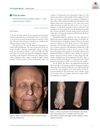 March 2019 in “Journal der Deutschen Dermatologischen Gesellschaft”
 Rothmund-Thomson syndrome type 2 can cause chronic, poorly healing wounds.
January 1998 in “The Nishinihon Journal of Dermatology” A 7-year-old girl was diagnosed with Netherton's Syndrome, shown by skin and hair symptoms.
December 2020 in “Dermatology practical & conceptual” Trichoscopy helped diagnose a teenage girl's hair loss as monilethrix.
June 2026 in “Skin Appendage Disorders” Pili annulati may be more common than thought, so recognizing its features is important for diagnosis.
 February 2010 in “Journal of The American Academy of Dermatology”
 A woman's nail separation was likely caused by poor blood flow, and a treatment for similar conditions might help.
4 citations
,
March 2020 in “JAAD Case Reports” Vitamin B12 deficiency can cause darkening of all nails.
12 citations
,
March 1981 in “International Journal of Dermatology” External factors like certain shampoos, bacterial infections, and parasites might cause hair defects similar to genetic conditions.
 September 2025 in “OBM Genetics”
 Early diagnosis and comprehensive management improve life quality for Netherton syndrome patients.
 33 citations
,
March 2006 in “Seminars in cutaneous medicine and surgery”
33 citations
,
March 2006 in “Seminars in cutaneous medicine and surgery” The document explains how to identify different hair problems using a microscope.
2 citations
,
January 2007 in “Actas Dermo-Sifiliográficas” Two cases of hairy elbows syndrome were described, with normal skin texture and symmetrical hair growth.
July 2012 in “American Journal of Clinical Pathology” Hair examination is crucial for diagnosing Netherton syndrome in patients with certain skin symptoms.
1 citations
,
January 2018 in “Jornal Brasileiro de Patologia e Medicina Laboratorial” Monilethrix causes brittle hair and hair loss, and it runs in families.
1 citations
,
January 2025 in “Journal of Fungi” Erythema nodosum linked to kerion can be treated effectively with antifungals and steroids to reduce scarring.
10 citations
,
January 2013 in “International Journal of Trichology” Systemic steroids effectively treated severe nail issues in a card illusionist with alopecia areata.
 4 citations
,
January 2011 in “Dermatology”
4 citations
,
January 2011 in “Dermatology” A patient grew extra hair on their ears after treatment for testicular cancer, possibly due to hormonal changes or genetics.
April 2025 in “Indian Journal of Paediatric Dermatology” Trichorrhexis invaginata can occur with tinea capitis, though it's rare.
September 2024 in “Actas Dermo-Sifiliográficas” Trichodynia is a painful scalp condition linked to hair loss and mental health issues, with limited treatment options.
January 2024 in “Skin Appendage Disorders” January 2023 in “Clinical and Experimental Dermatology” Oral minoxidil may help improve fragile hair.